Salads
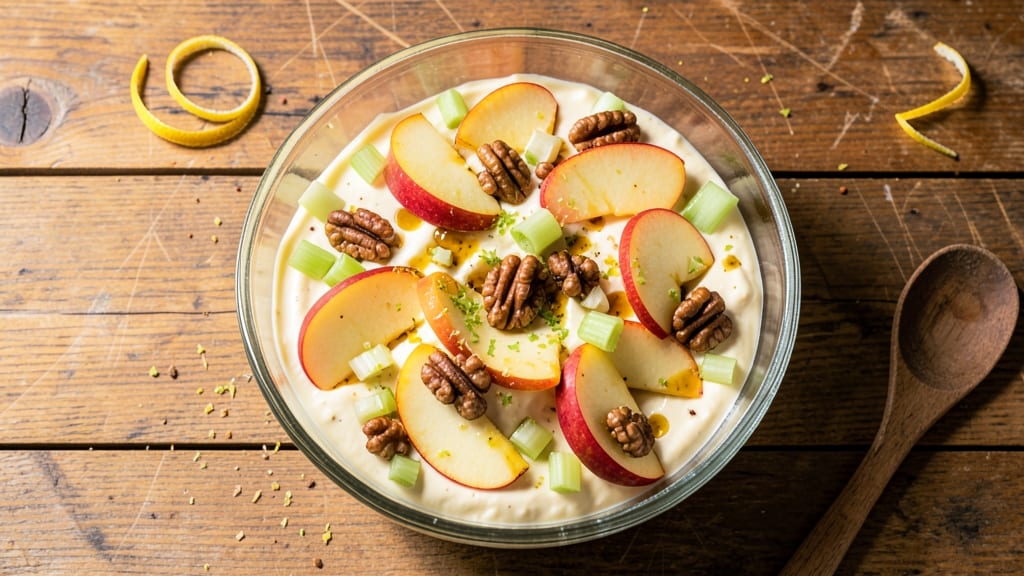
This apple walnut tuna salad recipe transforms a classic into something unexpectedly sophisticated—crisp apples and toasted walnuts elevate simple canned tuna into a meal worth celebrating.
The secret lies in balancing textures: tender tuna, sweet-tart apple chunks, and crunchy walnuts all come together with a bright, herby dressing that keeps everything fresh.
I developed this version after realizing how often tuna salad gets overlooked for more elaborate dishes, and it's become a weekly staple in my lunch rotation.
The beauty of this recipe is its versatility—it works as a light lunch, a protein-packed sandwich filling, or even a sophisticated appetizer when plated with crusty bread.
What makes it special is how the ingredients complement each other: the natural sweetness of the apples cuts through the richness of the tuna, while the walnuts add a satisfying crunch that holds up perfectly.
The dressing, a blend of mayo, Dijon mustard, and fresh herbs, ties everything together without overpowering the natural flavors.
What you'll end up with is a salad that's far from basic—each bite delivers a perfect balance of protein, healthy fats, and freshness. The apples stay crisp when tossed with lemon juice, the walnuts toast to a golden perfection, and the tuna remains tender without drying out.
This isn't just another tuna salad; it's a recipe that transforms a pantry staple into something restaurant-worthy.
Best of all, it comes together in just 15 minutes with ingredients you likely already have on hand. Serve it on its own, between slices of whole-grain bread, or even as a topping for avocado toast.
The possibilities are endless, but the execution is simple—proof that great meals don't have to be complicated. Let's get started!
Ingredients for apple walnut tuna salad
Pantry staples meet premium ingredients for a tuna salad that rivals any restaurant dish.
| Ingredient | Amount | Notes |
|---|---|---|
| Canned Tuna in Water 🐟 | 15 oz | High-quality, drained well |
| Crisp Apples 🍎 | 1 ½ cups | Diced, Honeycrisp or Fuji |
| Walnuts 🥜 | ¾ cup | Toasted, roughly chopped |
| Mayonnaise 🥫 | ½ cup | High-quality, full-fat preferred |
| Dijon Mustard 🍯 | 1 tbsp | For tangy depth |
| Fresh Lemon Juice 🍋 | 1 tbsp | Brightens the flavor |
| Fresh Dill 🌿 | ¼ cup | Chopped, stems removed |
| Fresh Chives 🌱 | 2 tbsp | Finely chopped |
| Salt 🧂 | ½ tsp | Diamond Crystal preferred |
| Black Pepper 🌶️ | ¼ tsp | Freshly ground |
| Red Onion 🧅 | ¼ cup | Finely diced, mild bite |
| Celery Stalk 🥬 | ½ cup | Finely diced, crunchy base |
The apples are non-negotiable—Honeycrisp or Fuji hold their crispness best when tossed with lemon juice. Whole Foods or local farmers markets often carry the sweetest varieties, but any crisp apple works in a pinch. Toast the walnuts in a dry pan over medium heat for 3-4 minutes until fragrant—they should smell nutty and warm. For the tuna, Wild Planet or Vital Choice brands deliver superior texture and flavor compared to generic store options. If you're short on time, pre-chopped apples from the salad bar section save prep work without sacrificing texture.
No Dijon mustard? Yellow mustard at half the amount works in a bind, though it lacks depth. Fresh herbs can be swapped for dried at one-third the quantity, but the flavor won't be as vibrant. The red onion adds brightness—if you prefer milder flavor, white onion at half the amount is gentler. For extra crunch without celery, crisp bell pepper strips work beautifully. The dressing ratio is crucial: mayo to Dijon mustard at 5:1 keeps it balanced. If your tuna is particularly oily, drain it thoroughly and pat dry with paper towels to prevent a greasy texture.
This salad keeps beautifully in an airtight container for 3-4 days in the fridge, though the apples soften slightly after day two. For longer storage, freeze the dressing separately and mix fresh when ready to eat. The walnuts stay crisp for up to 5 days if stored in a sealed container. I always double the batch—one portion for lunch, another for sandwiches the next day. The dressing can be prepped ahead and stored for up to 1 week, making assembly a breeze.
Why You'll Love This Recipe
- No-Chop Nightmare: I swear, the only knife work here is dicing one apple—no peeling required—and chopping walnuts takes two minutes with a big knife. The tuna’s already drained, the mustard’s pre-mixed, and suddenly you’ve got a salad that feels fancy without the effort.
- Sweet-Savory Magic: That first bite? Crunchy apple and toasted walnuts cut through the creamy mayo like a cool breeze on a summer day. The Dijon mustard adds a little tang that makes the whole thing dangerously good—like a gourmet twist on lunchbox basics.
- Lunchbox Legend: Between us, this is the only tuna salad my kids won’t trade for peanut butter. Pack it in wraps for school, scoop it onto crackers for a picnic, or slap it on toast with a sprinkle of flaky salt. It’s the kind of thing that makes you look like a meal-prep hero without trying.
- Pantry Superhero: Honestly, you’re staring at ingredients you already own. Canned tuna? Check. Apples that’ll last a week? Check. Walnuts in the back of your cupboard? Check. It’s the ultimate “I forgot to grocery shop” savior—and tastes better than takeout, too.
Step-by-step instructions for apple walnut tuna salad
Here's how to assemble this vibrant, textured salad with precise technique for perfect balance.
Prepare the Crunchy Vegetable Base
In a large mixing bowl, combine the 0.5 cup finely diced celery stalk and 0.25 cup finely diced red onion. This foundational crunch provides the salad's structural backbone. Use a sharp knife for clean cuts—you want uniform pieces that won't overpower the other flavors. The celery should be cut into matchstick-sized pieces while the onion should be finely minced so it distributes evenly without clumping.
Add the 1.5 cups crisp diced apples to the bowl. I recommend using Honeycrisp or Fuji varieties—their natural sweetness balances the savory elements while maintaining that satisfying crunch. The apples should be cut into small, even cubes to ensure consistent texture throughout each bite. This step is crucial for preventing any one ingredient from dominating the flavor profile.
Toast and Add the Walnuts
In a dry skillet over medium heat, toast the 0.75 cup walnuts for 3-4 minutes until they release their nutty aroma and develop a golden hue. Stir constantly to prevent burning—you're looking for a light toast that enhances their natural flavor without bitterness. The walnuts should be roughly chopped to maintain texture contrast while providing that satisfying crunch.
Transfer the toasted walnuts to the mixing bowl with the vegetables. Their warm, nutty aroma will immediately infuse the salad mixture, creating a more complex flavor profile. Let them cool slightly before proceeding—this prevents the mayonnaise from separating when combined with warm ingredients. The walnuts should be cool to the touch before moving to the next step.
Mix the Wet Ingredients
In a separate bowl, whisk together the 0.5 cup mayonnaise, 1 tbsp Dijon mustard, and 1 tbsp fresh lemon juice until completely smooth. This combination creates the perfect emulsified base that binds all the ingredients while adding tangy depth. The Dijon mustard prevents the mayonnaise from becoming too heavy, while the lemon juice brightens the entire salad.
Season the mixture with 0.5 tsp salt and 0.25 tsp freshly ground black pepper. Taste and adjust the seasoning if needed—this is where you ensure the base has proper flavor balance before combining with other ingredients. The mixture should be well-seasoned but not overly salty, as the other ingredients will contribute additional flavors.
Combine All Ingredients
Add the drained 15 oz canned tuna in water to the vegetable-walnut mixture. Gently fold in the tuna using a silicone spatula to distribute it evenly without breaking up the texture. The tuna should be broken into small chunks with your fingers before adding—this creates a more uniform texture throughout the salad.
Pour the mayonnaise mixture over the tuna and vegetables, then gently fold everything together until fully combined. Be careful not to overmix—just until all ingredients are evenly distributed. The salad should have a creamy yet textured appearance with visible chunks of apple, walnut, and celery throughout. This step is where all the flavors come together harmoniously.
Finish with Fresh Herbs
Stir in the 0.25 cup chopped fresh dill and 2 tbsp finely chopped fresh chives just before serving. These herbs add a bright, fresh finish that cuts through the richness of the mayonnaise and tuna. The dill should be chopped into small pieces while the chives can be left slightly longer for visual appeal and delicate flavor.
Taste the salad one final time and adjust seasoning if needed. The perfect apple walnut tuna salad should have a balance of sweetness from the apples, saltiness from the tuna and walnuts, and freshness from the herbs and lemon. Serve immediately while the flavors are at their peak, and enjoy the perfect combination of textures and flavors.
Pro Tips For Making Apple Walnut Tuna Salad
- Drain and Pat Tuna Dry: I learned this the hard way—leaving tuna flakes wet turns your salad into a soggy mess. Drain the can thoroughly, then press the tuna between paper towels to squeeze out every drop. (Yes, even if you’re impatient like me.)
- Toast Walnuts Low and Slow: Walnuts burn faster than you think. Spread them on a dry pan over medium-low heat and stir constantly—about 3-4 minutes until fragrant but just golden. Overcooking turns them bitter, and nobody wants that.
- Use Tart Apples Only: Honeycrisp or Granny Smith work best—they hold up to the mustard and mayo without turning mushy. Skip Fuji or Gala unless you want a salad that tastes like apple sauce in 20 minutes.
- Mix Mayo and Mustard First: This isn’t the prettiest method, but it’s the tastiest. Whisk 1 tablespoon Dijon with ¼ cup mayo before adding anything else—it emulsifies faster and keeps the texture smooth. (Your future self will thank you.)
Dietary considerations for this dish
Gluten-Free Adaptations
This salad is naturally gluten-free if you use certified gluten-free mayonnaise brands like Hellmann's Gluten-Free or Sir Kensington's. Always double-check labels on Dijon mustard—some contain wheat—opt for Annie's Organic Dijon which is certified gluten-free.
The apples, walnuts, and fresh herbs are inherently gluten-free, so no substitutions are needed there. 🌱
Dairy-Free Options
For a dairy-free version, replace the mayonnaise with vegan mayo like Just Mayo or Follow Your Heart Vegan Mayo. These brands mimic the texture and emulsification of traditional mayo while being completely dairy-free. The rest of the ingredients remain unchanged, keeping the salad's signature crunch and flavor profile intact.
Low-Fat Modifications
To reduce fat content, use light mayonnaise (like Hellmann's Light) or swap it for Greek yogurt (plain, non-fat) mixed with 1 tsp lemon juice and ½ tsp Dijon mustard.
This keeps the creamy texture while cutting calories. The walnuts provide healthy fats, so no need to eliminate them entirely—just reduce to ¼ cup if needed.
Allergen-Friendly Swaps
For nut allergies, replace walnuts with toasted pumpkin seeds (¼ cup) or sunflower seeds (¼ cup) for a similar crunch. If you must avoid seeds, add extra diced celery or crisp bell pepper strips to maintain texture.
For egg allergies, ensure your mayo is egg-free (like Just Mayo), as traditional mayo contains egg yolks.
Keto-Friendly Adjustments
This salad is already keto-friendly with its low-carb ingredients, but you can optimize it further by using sugar-free applesauce (2 tbsp) mixed with the apples to reduce natural sugars.
Skip the apples entirely if strict, and add extra walnuts (½ cup) for healthy fats. The mayonnaise and tuna are keto-approved, so no other changes are needed. 💪
Nutrition facts
Frequently asked questions
Can I use oil-packed tuna instead of water-packed?
Yes, but you'll need to drain it thoroughly and pat it completely dry with paper towels to avoid a greasy texture. Oil-packed tuna adds richness, so you might want to reduce the mayo slightly (¼ cup instead of ½ cup) to balance the flavors. The apples and walnuts will still provide that perfect crunch contrast.
How do I keep the apples from turning brown?
Toss the diced apples with 1 teaspoon lemon juice immediately after cutting, then proceed with the recipe. The lemon juice's acidity helps preserve their color and crispness. For extra insurance, sprinkle with a pinch of salt—it also helps maintain texture. Store any prepped apples in the fridge until ready to assemble.
What's the best bread for serving this salad?
For sandwiches, use whole-grain or sourdough bread—their sturdy texture holds up to the moist filling. For an open-faced version, try crusty baguette slices or rye bread for a heartier bite. If you prefer no bread, serve with cucumber slices or lettuce cups for a lighter option.
Can I make this ahead of time?
This salad keeps well in an airtight container for 3-4 days in the fridge. The apples may soften slightly after day two, but the flavors meld beautifully. For best texture, store the dressing separately and mix it in just before serving. Toast the walnuts fresh if possible, or store them separately and toast when ready to eat.
What if I don't have Dijon mustard?
Use yellow mustard at half the amount (½ tbsp instead of 1 tbsp) for a milder flavor. For extra tang, add ½ teaspoon apple cider vinegar to the dressing. The salad will still taste great—just slightly less complex. If you're avoiding all mustard, increase the lemon juice to 1.5 tbsp for brightness.