
Salads
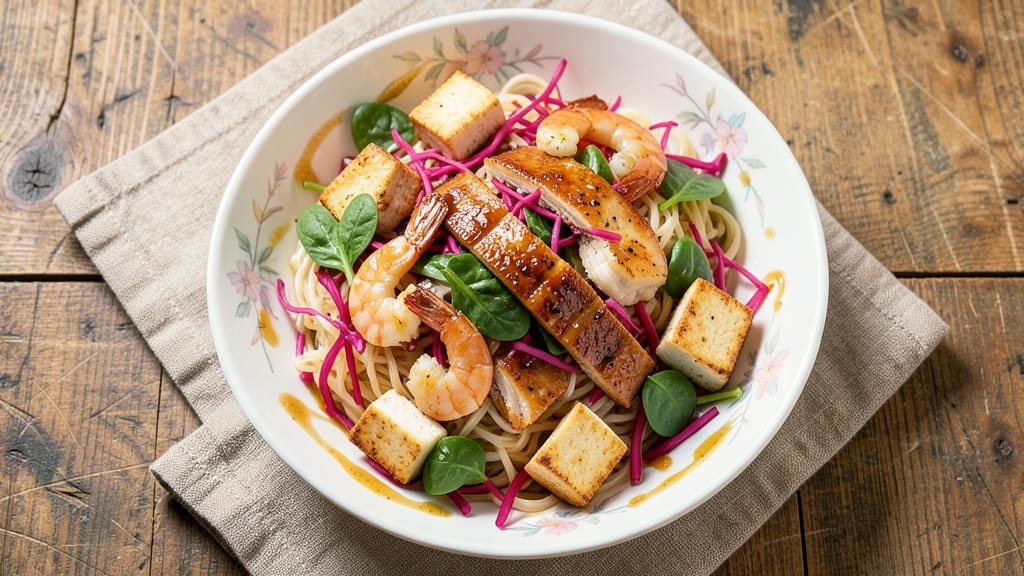
This Asian oriental salad recipe transforms simple ingredients into a vibrant, restaurant-quality dish with crispy rice noodles and a tangy sesame dressing. ✨ The perfect balance of textures and flavors comes together in just 20 minutes, making it ideal for weeknight dinners or meal prep.
What sets this salad apart is the combination of fresh vegetables, protein options, and a dressing that's both bold and easy to customize.
The foundation of this salad lies in its crunchy rice noodles, which provide a satisfying bite that pairs perfectly with tender greens, shredded cabbage, and edamame. You can choose from grilled chicken, shrimp, or tofu for protein, ensuring everyone at the table finds something they love.
The sesame-ginger dressing adds a bright, tangy kick that ties all the components together without overpowering the natural flavors of the ingredients.
By the time you're done assembling this salad, you'll have a dish that's as visually appealing as it is delicious—colorful layers of fresh vegetables, protein, and noodles all coated in that vibrant dressing.
The garnishes, like sesame seeds and crispy wonton strips, add an extra layer of texture and flavor that elevates the salad to something truly special.
This recipe is versatile enough to adapt to different tastes and dietary needs, whether you're looking for a traditional Asian-inspired salad or a modern fusion twist. Let's get started on creating a dish that's sure to impress!
Ingredients for asian oriental salad
Crispy noodles, fresh veggies, and protein—this salad delivers restaurant-quality flavor in minutes.
| Ingredient | Amount | Notes |
|---|---|---|
| Rice Noodles 🍜 | 8 oz | Vermicelli or pad thai noodles |
| Boneless Chicken Breast 🍗 | 1 lb | Grilled or pan-seared |
| Large Shrimp 🦐 | 1 lb | Peeled and deveined |
| Extra-Firm Tofu 🥬 | 1 block | Pressed and cubed |
| Green Cabbage 🧅 | 4 cups | Shredded, thinly sliced |
| Baby Spinach 🌿 | 4 cups | Fresh, loosely packed |
| Shelled Edamame 🌱 | 1 cup | Steamed, thawed if frozen |
| Red Bell Pepper 🌶️ | 1 whole | Thinly sliced, seeds removed |
| Carrot 🥕 | 1 medium | Julienned, peeled |
| Sesame Seeds 🥜 | 2 tbsp | Toasted for garnish |
| Crispy Wonton Strips 🍢 | ½ cup | Store-bought or homemade |
| Sesame Oil 🫒 | 2 tbsp | Toasted, for dressing |
| Rice Vinegar 🍶 | 3 tbsp | White or seasoned |
| Soy Sauce 🥢 | 2 tbsp | Low-sodium preferred |
| Fresh Ginger 🧄 | 1 tbsp | Grated, peeled |
| Garlic Cloves 🧄 | 3 cloves | Minced, peeled |
| Honey 🍯 | 1 tbsp | For dressing sweetness |
| Sesame-Ginger Dressing 🥄 | ½ cup | Homemade or store-bought |
The rice noodles are the backbone of this salad. Vermicelli or pad thai noodles work best—they hold up to the dressing without getting mushy. Buy them fresh (look for the dry, springy strands in Asian markets) or grab the pre-packaged kind at Trader Joe's. Soak them in hot water for 3-5 minutes, then rinse with cold water to stop cooking. The protein options? Grilled chicken keeps things classic, shrimp adds elegance, and tofu makes it vegan-friendly. Press the tofu hard—wrap it in a towel, then place a heavy pan on top for 15 minutes.
No sesame seeds? Toasted sunflower seeds work in a pinch. Short on edamame? Substitute shelled peas for a similar texture. The dressing is non-negotiable—if you're skipping homemade, Kikkoman or Sweet Chili Sauce are solid shortcuts. For the veggies, store-bought pre-shredded cabbage is fine (just check for no added salt), but fresh spinach makes all the difference. The red bell pepper adds that pop of color—skip it if you're in a rush, but trust me, it's worth the extra minute.
Noodles keep best in the fridge for 3 days if stored in a sealed container with a damp paper towel. The dressing? Make it fresh—it lasts 5 days but tastes best within 2. For meal prep, assemble everything except the dressing, then toss it all together when ready to eat. Garnishes like sesame seeds and wonton strips add crunch, so add them right before serving. This salad tastes even better the next day—perfect for leftovers!
Why You'll Love This Recipe
- No Boil, No Fuss: I swear by the microwave method for rice noodles—just toss them in hot water for 5 minutes, drain, and they’re ready. No standing over a pot, no sticky mess, and honestly? The texture comes out just right—chewy but not gummy, every single time.
- Umami Bomb Combo: Between the sesame-oil seared chicken, the garlic shrimp, and that crispy fried tofu, this salad packs layers of flavor without needing 10 ingredients. The cabbage adds that perfect crunch, and the peanut-lime dressing ties it all together—salty, sweet, and tangy in one bite.
- Lunch for Days: I make double batches on Sundays because this keeps perfectly for 4 days in the fridge. The noodles stay tender, the protein holds up, and the dressing doesn’t make everything soggy. Pack it cold or at room temp—it’s my go-to for work lunches or picnic spreads.
- Budget Meal Magic: Tofu and shrimp stretch this salad into a full meal without breaking the bank. Swap in chicken for an even cheaper option, and the cabbage? It’s one of the most affordable greens out there. I’ve fed four people for under $15 with this—no compromises on taste, just smart shopping.
Step-by-step instructions for crunchy rice noodle salad
Here's how to assemble this vibrant, textured salad with perfect balance of protein, fresh veggies, and that addictive sesame dressing.
👨🍳 Step 1: Cook and Prepare All Protein Components
Start by cooking the 1 lb boneless chicken breast first. Season with 1 tbsp soy sauce and grill or pan-sear until internal temperature reaches 165°F (about 6-8 minutes per side). Let it rest 5 minutes before slicing into thin strips. While that cooks, steam the 1 cup shelled edamame for 3-4 minutes until bright green and tender.
Next, press the 1 block extra-firm tofu between paper towels with a heavy weight for 15 minutes to remove excess water. Cut into ½-inch cubes and pan-fry in 1 tbsp sesame oil over medium-high heat for 5-6 minutes until golden brown. Set aside. Finally, peel and devein the 1 lb large shrimp, then sauté in 1 tbsp sesame oil for 2-3 minutes per side until pink and just cooked through. All proteins should be ready simultaneously for easy assembly.
🥘 Step 2: Assemble the Fresh Vegetable Medley
In a large mixing bowl, combine the 4 cups shredded green cabbage and 4 cups baby spinach. Add the 1 whole red bell pepper (thinly sliced) and 1 medium carrot (julienned). Toss gently to distribute the vegetables evenly. The cabbage should remain crisp while the spinach adds tender contrast—this is your salad's foundation.
Add the cooked proteins: the sliced chicken, pan-fried tofu cubes, and shrimp. Sprinkle in the steamed edamame and 0.5 cup crispy wonton strips for that satisfying crunch. Give everything a light toss just to combine—don't overmix or you'll bruise the delicate spinach leaves. Real talk: this is where the magic happens with all those textures working together.
🍳 Step 3: Make the Tangy Sesame Dressing
In a small bowl, whisk together the 0.5 cup sesame-ginger dressing with 2 tbsp sesame oil, 3 tbsp rice vinegar, 1 tbsp honey, 1 tbsp grated fresh ginger, and 3 minced garlic cloves. The dressing should be smooth and glossy with a perfect balance of sweet, tangy, and umami flavors. If you're making it from scratch, add 1 tbsp soy sauce and adjust to taste.
Here's the thing—this dressing needs to coat the noodles perfectly without making them soggy. Taste it first before adding to the salad. It should be bright but not overpowering. If it's too thick, add 1 tsp warm water to loosen it slightly. The dressing will transform your salad from good to restaurant-quality.
🍲 Step 4: Cook and Toss with Noodles
Bring a pot of water to a boil and cook the 8 oz rice noodles according to package instructions (usually 3-4 minutes). Drain immediately and rinse under cold water to stop the cooking process. This prevents the noodles from becoming mushy when mixed with the wet dressing.
Add the drained noodles to the vegetable-protein mixture and pour the dressing over everything. Toss gently but thoroughly to coat each strand of noodle with the tangy sesame mixture. The noodles should be glossy but not swimming in dressing—you want that perfect "just coated" look. If it looks dry, add 1-2 tsp warm water to help distribute the dressing evenly.
🍽️ Step 5: Garnish and Serve Immediately
Transfer the salad to serving bowls and sprinkle with 2 tbsp toasted sesame seeds for that final crunchy garnish. I like to serve this salad immediately while the noodles are still warm and the dressing is vibrant. The contrast of warm noodles with cool vegetables and the crispy wonton strips makes every bite exciting.
Don't skip the sesame seeds—they add that perfect finishing texture and nutty flavor that ties everything together. Serve with extra wonton strips on the side if you're really hungry. This salad keeps well in the fridge for 1-2 days, but it's best enjoyed fresh while the noodles still have some bite.
Pro Tips For Making Asian Oriental Salad
- STOP SOAKING NOODLES DRY: Rice noodles stick together like glue when over-soaked, and no one wants a soggy salad. Rinse them under cold water immediately after cooking—about 30 seconds—then toss with a splash of oil to prevent clumping. (Yes, even if they’re still slightly firm; they’ll soften in the dressing.)
- SEAR TOFU IN BATCHES: Crowd that tofu in the pan, and you’ll steam it instead of crisp it. Work in single layers, no overlapping, and resist the urge to flip too soon—wait for 3-4 minutes per side until golden. Pro move: Spritz with oil mid-cook if your pan’s too dry.
- CUT SHRIMP LENGTHWISE FIRST: Those thick shrimp tails won’t cook evenly if you slice them crosswise. Make a shallow lengthwise cut down the belly first, then slice into medallions—this guarantees they’re done in 1-2 minutes flat. (And yes, they’ll still look impressive.)
- SAVE TIME WITH CABBAGE: Skip the tedious quartering—just pull off the outer leaves and slice them lengthwise into thin ribbons. The core? Toss it whole into the salad; it’ll soften in the dressing and add texture without extra work. (Your knife will thank you.)
Wine and beer pairings for this recipe
Crisp White Wine
For this salad's bright, tangy flavors, I recommend a dry Riesling or Sauvignon Blanc from New Zealand. The crisp acidity cuts through the richness of the sesame dressing while complementing the fresh vegetables and proteins.
A glass of Kim Crawford Sauvignon Blanc (around $15) delivers zesty citrus notes that mirror the ginger in the dressing. 🍷
Light Lager Beer
A Japanese lager like Asahi Super Dry or Sapporo works beautifully with this salad. The clean, crisp profile enhances the salad's fresh ingredients without overpowering them.
For a local option, try Miller Lite—it's light enough to let the salad's flavors shine while adding a subtle malt sweetness that pairs well with the sesame seeds. 🍺
Sparkling Option
If you prefer something bubbly, a dry sparkling wine or Prosecco adds a refreshing lift to each bite. The bubbles cleanse your palate between mouthfuls, making the salad taste even more vibrant.
I love La Marca Prosecco (around $12) for its crisp, fruity notes that complement the honey and ginger in the dressing. 🥂
Asian-Inspired Cocktail
For a fun twist, try a Lychee Martini or Sake Spritzer. Mix 1 oz lychee liqueur, 1 oz sake, and 2 oz chilled sparkling water for a light, floral sipper.
The lychee's sweetness balances the salad's tangy dressing, while the sake adds an umami depth that mirrors the soy and sesame flavors. 🍸
Non-Alcoholic Pairings
Don't drink alcohol? A sparkling green tea like Hippeas Sparkling Green Tea or Yanado Green Tea Soda works perfectly. The effervescence and subtle tea notes enhance the salad's freshness. For something warmer, try hibiscus iced tea—its tartness complements the sesame dressing beautifully. 💚
Nutrition facts
Frequently asked questions
Can I make this salad ahead of time?
Yes, but with a few key adjustments! Prep all components separately and store them in airtight containers in the fridge for up to 2 days. Keep the dressing separate until serving to maintain crispness. Assemble the salad just before eating—this ensures the noodles stay crunchy and the greens remain fresh. The proteins and veggies can be pre-cooked and stored separately for easy assembly.
What's the best protein substitute if I'm vegetarian?
For a vegetarian version, try crispy baked tofu or marinated tempeh instead of chicken or shrimp. Both add excellent texture and absorb flavors well. You can also use seitan or extra-firm tofu pressed and pan-fried with a soy-ginger marinade. For extra protein, add 1 cup chickpeas (roasted with sesame oil) or edamame—both work beautifully in this salad.
How do I prevent the noodles from getting soggy?
The secret is in the timing and technique! First, cook the noodles just until al dente (usually 1-2 minutes less than package instructions), then rinse them immediately in cold water. This stops the cooking process. When assembling, add the dressing last and toss gently—don't soak the noodles. If using leftover noodles, reheat them in a dry pan for 30 seconds before adding to the salad to restore crispness.
Can I use store-bought dressing instead of homemade?
For convenience, try Asian-inspired dressings like Kikkoman Sesame Dressing or Sweet Chili Sauce. Look for options with sesame oil, rice vinegar, and ginger in the ingredients. If using a generic Asian dressing, add 1 tsp soy sauce and ½ tsp honey to enhance the flavor. The key is balancing sweet, tangy, and umami—homemade gives you more control, but quality store-bought works in a pinch.
What are some traditional variations of this salad?
This recipe blends modern fusion with classic Asian styles! For a Japanese-inspired version, swap rice noodles for soba noodles and use a ponzu dressing with yuzu. A Vietnamese twist includes rice paper rolls and fresh herbs like mint and cilantro. For a Korean-inspired salad, add kimchi and a gochujang dressing. Each variation keeps the fresh, crunchy texture while adapting flavors to regional tastes.