Salads
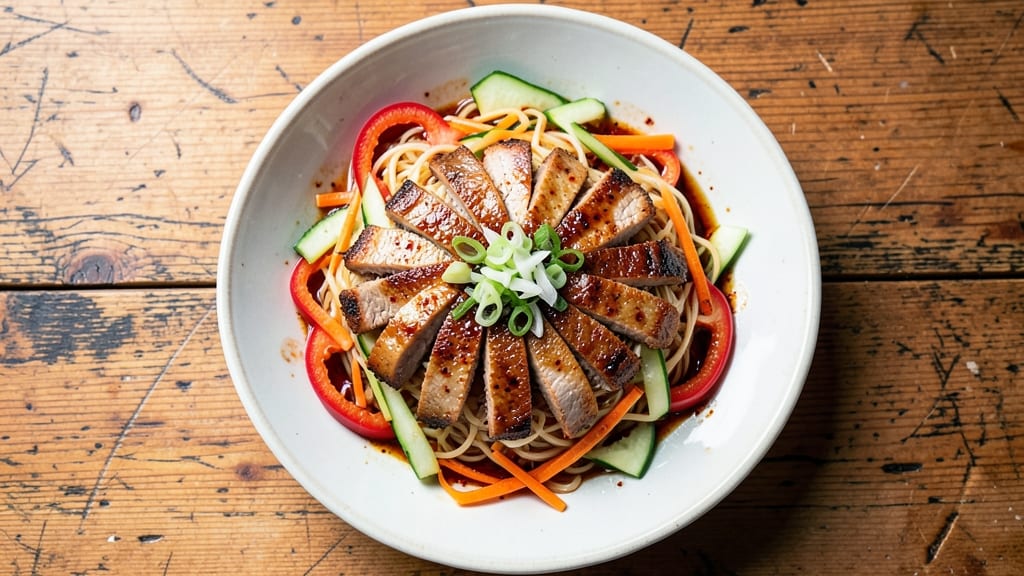
This Asian pork salad recipe delivers a perfect balance of textures and flavors—tender, marinated pork, crispy rice noodles, and a sweet-chili glaze that ties everything together.
The secret lies in the marinade, which transforms simple pork into something deeply flavorful with just 20 minutes of prep and 10 minutes of cooking.
I developed this recipe after years of experimenting with Asian-inspired salads, and it’s now a staple in my meal rotation for its simplicity and bold taste.
The salad’s magic comes from the combination of ingredients: thinly sliced pork that stays juicy, chewy rice noodles that hold up to the dressing, and fresh vegetables like cucumber and carrots for crunch.
The sweet-chili glaze, made with just a few pantry staples, adds a tangy-sweet kick that elevates every bite. This dish is versatile enough for weeknight dinners or a light lunch, and it’s easy to customize with your favorite toppings or heat level.
By the time you’re done, you’ll have a salad that’s anything but basic—packed with protein, vibrant colors, and layers of flavor that keep you coming back for more.
The pork stays tender and flavorful, the noodles are perfectly chewy, and the dressing binds everything together in a way that’s both satisfying and refreshing. It’s the kind of dish that feels special without requiring hours in the kitchen.
Whether you’re serving this as a main course or a side, it’s sure to impress. The recipe scales easily, so you can adjust the portions to fit your needs. Let’s get started—your taste buds will thank you.
Ingredients for asian pork salad
Pork, noodles, and a tangy glaze—this salad brings bold Asian flavors to your table in minutes.
| Ingredient | Amount | Notes |
|---|---|---|
| Boneless Pork Shoulder 🥩 | 1 lb | Thinly sliced against grain |
| Rice Noodles 🍜 | 8 oz | Medium-width, uncooked |
| Fresh Cucumber 🥒 | 1 whole | Seeded, thinly sliced |
| Carrots 🥕 | 2 medium | Julienned into matchsticks |
| Red Bell Pepper 🌶️ | 1 whole | Thinly sliced, seeds removed |
| Green Onions 🧅 | 4 whole | Thinly sliced, white parts trimmed |
| Fresh Mint Leaves 🌿 | ¼ cup | Chopped, stems removed |
| Sesame Oil 🫒 | 1 tbsp | Toasted, for aroma |
| Soy Sauce 🥢 | 3 tbsp | Low-sodium preferred |
| Honey 🍯 | 2 tbsp | Wildflower preferred |
| Rice Vinegar 🍶 | 2 tbsp | Seasoned preferred |
| Sriracha 🌶️ | 1 tbsp | Adjust for heat preference |
| Garlic Cloves 🧄 | 4 cloves | Minced, fresh preferred |
| Ginger 🌿 | 1 tbsp | Fresh, grated |
| Sesame Seeds 🌾 | 1 tbsp | Toasted, for garnish |
The pork shoulder is your secret weapon here—it stays juicy when thinly sliced, and the fat keeps everything moist. Ask your butcher to slice it paper-thin against the grain, or invest in a good knife and do it yourself. For the noodles, Thai Kitchen brand is my go-to—they’re easy to find and hold up perfectly. Fresh ginger and garlic? Don’t skip the zesting—it adds depth the jarred stuff can’t match. The carrots should be crisp, so grab the freshest ones from the produce section (the ones with the brightest orange color). If you’re short on time, baby carrots work too, but they won’t have the same snap.
No sesame oil? Toasted peanut oil works in a pinch, but the nutty aroma is different. Short on honey? Maple syrup or agave will do, though the flavor profile shifts slightly. The rice vinegar can be swapped for apple cider vinegar, but seasoned rice vinegar adds that authentic umami kick. Sriracha too spicy? Mix in a splash of honey to mellow it out. For the veggies, if you can’t find fresh mint, cilantro or Thai basil are great stand-ins—they’ll change the flavor but still deliver that fresh herb punch. And if you’re feeling fancy, swap the red bell pepper for Thai basil leaves for a more authentic Southeast Asian touch.
The pork marinade keeps for 3 days in the fridge, so make extra if you’re planning ahead. The uncooked noodles? Store them in an airtight container in a cool, dark place—they’ll last for months. Once assembled, this salad tastes even better the next day as the flavors meld. Portion into containers with a little extra glaze drizzled on top for easy lunches. And if you’re serving a crowd, double the glaze recipe—it’s the star of the show.
Why You'll Love This Recipe
- No-Fuss Protein: I marinate the pork shoulder overnight, but honestly? You can skip it and still get tender, flavorful bites—just sear it hot and fast in the pan. That crispy edge with the creamy center? Chef’s kiss, and it’s ready while you chop the rest.
- Umami Bomb: The pork shoulder soaks up the fish sauce, garlic, and chili—simple, but ridiculously addictive. Between us, I’ve seen people go back for seconds without even tasting the veggies. (Yes, even on a Tuesday night.)
- Lunchbox Hero: This keeps perfectly for days—pack the noodles and veggies separately, toss with the pork when ready. My daughter picks out the bell pepper first, but still asks for it in her lunch. Budget win: pork shoulder stretches farther than chicken, and rice noodles are cheaper than quinoa.
- Crunchy Flexibility: Need a picnic dish? A last-minute potluck? Toss in extra cucumber for crunch or swap the bell pepper for shredded cabbage. The dressing ties it all together—no one will guess it’s the same base recipe. (Not the prettiest, but the taste makes up for it.)
Step-by-step instructions for crunchy rice noodle pork salad
Here's how to assemble this vibrant, flavor-packed salad with perfectly tender pork and crisp vegetables.
Prepare the Sweet-Chili Glaze
In a small saucepan, combine the 3 tablespoons soy sauce, 2 tablespoons honey, 2 tablespoons rice vinegar, and 1 tablespoon sriracha. Bring to a gentle simmer over medium heat and cook for 3-4 minutes until slightly thickened and fragrant. This glaze should coat the back of a spoon when you stir it.
Remove from heat and stir in the 4 cloves minced garlic and 1 tablespoon grated ginger. Let it steep for 5 minutes to allow the flavors to meld together. This aromatic base will tie all the components of your salad together beautifully. Keep the glaze warm while you prepare the remaining ingredients.
Cook the Rice Noodles
Bring a pot of water to a rolling boil and add the 8 ounces rice noodles. Cook for 4-5 minutes until they're tender but still slightly firm to the bite—you want them to hold their shape in the salad. Drain immediately and rinse under cold water for 10 seconds to stop the cooking process and prevent them from becoming mushy.
Transfer the noodles to a large mixing bowl and toss them with 1 tablespoon toasted sesame oil. This step ensures each strand gets that nutty aroma and prevents them from sticking together. The noodles should be at room temperature before assembling the salad, so let them sit while you prepare the remaining vegetables.
Sear the Pork Shoulder
Heat a large skillet over medium-high heat until hot. Add the 1 pound boneless pork shoulder sliced against the grain and cook for 3-4 minutes per side until the pork is lightly browned and cooked through to 145°F internal temperature. The slices should be tender but still hold their shape.
Remove the pork from the skillet and transfer it to a cutting board. Let it rest for 5 minutes before slicing it into ¼-inch thick strips against the grain. This resting period ensures the pork stays juicy and tender when you add it to the salad. Keep the pork warm while you prepare the fresh vegetables.
Assemble the Fresh Vegetables
In the same mixing bowl with the noodles, add the 1 whole seeded cucumber sliced into half-moons, 2 medium carrots julienned into matchsticks, 1 whole red bell pepper sliced into thin strips, and 4 whole green onions sliced thinly with white parts trimmed. Toss everything gently to combine.
Add the ¼ cup chopped fresh mint leaves and mix just until the mint is evenly distributed. The mint will add a bright, refreshing contrast to the rich flavors of the pork and glaze. This is the moment to taste your vegetable base—adjust seasoning with a pinch of salt if needed, but the glaze will provide most of the flavor.
Combine and Finish the Salad
Return the cooked pork strips to the mixing bowl with the vegetables and noodles. Pour the warm sweet-chili glaze over everything and toss gently but thoroughly to coat each component evenly. The glaze should cling to the noodles and pork while lightly dressing the vegetables.
Let the salad sit for 5 minutes to allow the flavors to meld together. Before serving, sprinkle with 1 tablespoon toasted sesame seeds for added texture and visual appeal. This dish is best served immediately while the noodles are still crisp and the pork remains tender. Enjoy with extra glaze on the side if you prefer a lighter salad.
Pro Tips For Making Asian Pork Salad
- Slice Pork Thinly First: I learned this the hard way—thick slices of pork shoulder won’t cook fast enough in stir-fry or marinades. Cut it against the grain into ⅛-inch slices before any cooking. If you’re lazy like me, freeze the raw slices for 20 minutes first—they’ll hold their shape better when searing.
- Blanch Carrots for Crunch: Raw carrots turn mushy in dressings, but blanched ones stay crisp. Cut them into matchsticks, boil for 1 minute, then shock in ice water. Sounds weird, but it works—your salad will have texture where it counts.
- Don’t Overcrowd the Noodles: Rice noodles stick together like glue when you pile them all in at once. Cook them in batches, rinse each with cold water, and toss immediately. This isn’t the prettiest method, but it’s the tastiest—no gummy clumps in your salad.
- Marinate Pork Overnight: Skip the rush—let the pork shoulder sit in soy sauce, fish sauce, and a touch of sugar for at least 8 hours. I was skeptical until I tried it: the meat stays juicy, absorbs flavor better, and slices cleaner. (Yes, even if you’re impatient like me.)
Best sauces and condiments for this asian pork salad
Sweet-Chili Glaze
This tangy, slightly spicy glaze is the star of your salad—it's what ties all the components together with that perfect balance of sweet, savory, and heat.
I make mine with 3 tbsp soy sauce, 2 tbsp honey, 2 tbsp rice vinegar, and 1 tbsp sriracha, simmered until it thickens just enough to coat the back of a spoon.
The key is letting it steep with 4 minced garlic cloves and 1 tbsp grated ginger for 5 minutes—this infuses the glaze with deep, aromatic flavors that elevate every bite. 🌶️
Peanut-Lime Dressing
For a nutty twist, swap the sweet-chili glaze for a creamy peanut-lime dressing. Blend ¼ cup smooth peanut butter, 2 tbsp lime juice, 1 tbsp soy sauce, 1 tbsp honey, 1 tbsp rice vinegar, and 2 tbsp water until smooth.
Thin with a splash of water if needed, then toss it with your salad just before serving. The richness of the peanut butter balances the freshness of the veggies beautifully.
Spicy Chili-Lime Vinaigrette
If you love heat, this zesty vinaigrette is a game-changer. Mix 3 tbsp lime juice, 2 tbsp rice vinegar, 1 tbsp honey, 1 tbsp sriracha, 1 minced garlic clove, and 1 tsp grated ginger.
Whisk in 3 tbsp toasted sesame oil and a pinch of salt. Drizzle it over your salad right before eating—it adds a bright, tangy kick that cuts through the richness of the pork. ✨
Sesame-Ginger Dressing
For a lighter, herb-forward option, blend 3 tbsp toasted sesame oil, 2 tbsp soy sauce, 1 tbsp honey, 1 tbsp rice vinegar, 1 tbsp grated ginger, and 1 minced garlic clove.
Finish with 2 tbsp chopped cilantro or mint leaves. This dressing is subtly sweet and aromatic, letting the flavors of the pork and veggies shine through without overpowering them.
Extra Toppings
Take your salad to the next level with toppings like crushed peanuts for crunch, sliced red onions for sharpness, or fried shallots for a crispy finish. I love adding ¼ cup chopped cilantro or Thai basil for freshness, and a sprinkle of toasted sesame seeds adds texture.
These toppings let you customize the salad to your taste—whether you want extra crunch, heat, or freshness. 💫
Nutrition facts
Frequently asked questions
Can I use chicken or shrimp instead of pork in this salad?
This recipe works beautifully with chicken breast (slice thinly and marinate for 15 minutes with the same glaze ingredients) or shrimp (quickly sauté for 2-3 minutes until pink). For shrimp, reduce cooking time to 1-2 minutes per side to avoid overcooking. The texture will differ slightly, but the flavor profile remains delicious.
How do I make this salad gluten-free?
Swap the regular soy sauce for tamari or coconut aminos (both gluten-free alternatives). Check your sriracha label too—some brands contain wheat. For extra safety, use a dedicated gluten-free kitchen if you're highly sensitive. The rest of the recipe remains the same, and the flavor will still be vibrant and satisfying.
Why does my pork turn out dry when cooking?
Pork dries out when overcooked or sliced against the grain incorrectly. Always slice thinly against the grain (your butcher can help) and cook for only 3-4 minutes per side on medium-high heat. Let it rest for 5 minutes before slicing further—this keeps juices locked in. If using a thicker cut, reduce cooking time by 1 minute per side.
Can I prepare this salad ahead of time?
Yes! Assemble the salad 1 day ahead and store it in an airtight container in the fridge. Keep the glaze separate until serving to prevent soggy noodles. The flavors actually improve overnight as everything melds together. Reheat the pork gently in a skillet before reassembling if you prefer it warm.
What's the best way to store leftover glaze?
Transfer leftover glaze to a small airtight container and store it in the fridge for up to 1 week. It thickens when cold, so stir well before using. For extra flavor, reheat gently in a saucepan for 1-2 minutes before tossing with your salad. The glaze also makes a great marinade for future pork dishes!