Sauces & Condiments
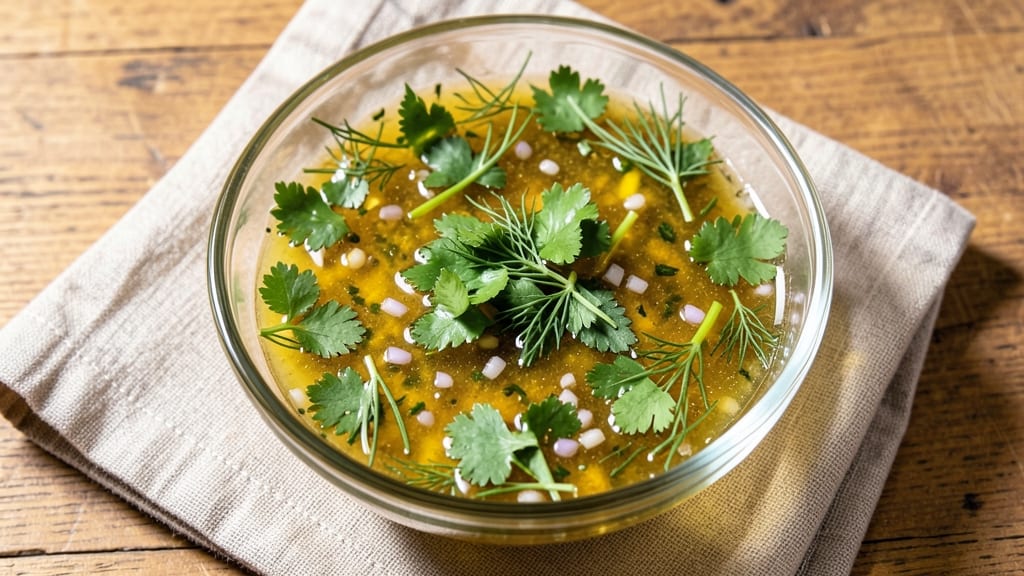
This herb-infused asparagus salad dressing transforms simple greens into a vibrant, restaurant-quality dish with just a few simple ingredients. The secret lies in balancing bright lemon with fresh herbs and high-quality olive oil, creating a dressing that clings beautifully to asparagus spears while enhancing their natural sweetness.
I developed this recipe after realizing store-bought dressings never quite captured the fresh, spring-like flavor of homegrown asparagus.
The dressing comes together in minutes with a classic vinaigrette technique—whisking oil and vinegar until emulsified, then folding in fresh herbs and a touch of Dijon mustard for depth.
What makes this recipe special is its versatility: use it as a salad dressing, drizzle over grilled asparagus, or even as a marinade for chicken or fish. The herbs (parsley, dill, and chives) add freshness that complements asparagus perfectly, while the lemon keeps it bright and tangy.
What you'll end up with is a smooth, herby dressing that enhances asparagus's natural flavors without overpowering them. The texture is perfectly emulsified, meaning it won't separate in your salad container, and the flavor develops even better after 30 minutes of resting.
This is the kind of dressing that makes every bite of asparagus taste like a springtime feast.
Best of all, this dressing keeps well in the refrigerator for up to a week, making it perfect for meal prep. Whether you're serving asparagus as a side dish or the star of the plate, this herb-infused vinaigrette will elevate it to new heights.
Let's make it—your taste buds will thank you.
Ingredients for asparagus salad dressing
Fresh herbs and bright citrus transform this simple vinaigrette into asparagus's perfect partner.
| Ingredient | Amount | Notes |
|---|---|---|
| Extra-Virgin Olive Oil 🫒 | ½ cup | High-quality, fruity variety preferred |
| Fresh Lemon Juice 🍋 | ¼ cup | Freshly squeezed from ripe lemons |
| White Wine Vinegar 🍷 | ¼ cup | Dry, crisp white wine vinegar |
| Fresh Flat-Leaf Parsley 🌿 | ¼ cup | Finely chopped, stems removed |
| Fresh Dill 🌿 | ¼ cup | Finely chopped, stems removed |
| Fresh Chives 🌿 | ¼ cup | Finely chopped, including green parts |
| Dijon Mustard 🌶️ | 1 tbsp | High-quality, smooth Dijon |
| Granulated Sugar 🍚 | 1 tsp | White granulated preferred |
| Kosher Salt 🧂 | ½ tsp | Diamond Crystal preferred |
| Freshly Ground Black Pepper 🌶️ | ¼ tsp | Freshly cracked for best flavor |
The herbs are the heart of this dressing, so freshness is non-negotiable. Hit the farmers market for parsley, dill, and chives if possible—they'll have that vibrant flavor store-bought can't match. Whole Foods or local grocery stores usually carry the freshest herbs in the produce section, not the pre-packaged bins. If you must use dried herbs, reduce to one-third the amount, but honestly, fresh is worth the extra trip. The olive oil should be extra-virgin and fruity—none of that cheap cooking oil. California Olive Ranch or Bertolli are solid grocery store options, but splurge if you can find a small-batch brand at specialty shops.
No fresh herbs? Dried parsley and dill work in a pinch at one-third the amount, but the texture won't be as silky. Running low on white wine vinegar? Apple cider vinegar gives a slightly sweeter note, while balsamic vinegar adds depth but changes the flavor profile completely. The Dijon mustard is crucial—it emulsifies the dressing and adds that subtle tang. Maille is the gold standard, but any good-quality Dijon will do. Skip the sugar if you prefer it tart, but it balances the acidity beautifully. And for the love of all things green, don't use pre-minced garlic—freshly minced is a game-changer, even if it's just one clove.
This dressing keeps beautifully for up to 7 days in an airtight container in the fridge, but the flavor actually improves after 24 hours as everything melds. For best results, whisk it again before using after a day or two. It's perfect for meal prep—make a double batch and store in small jars for easy grab-and-go dressings. If you're worried about separation, just give it a quick shake before using. The herbs will wilt slightly over time, but the dressing will still taste amazing—just whisk in a splash of water if it gets too thick.
Why You'll Love This Recipe
- Five-Ingredient Magic: I swear by this combo—just oil, lemon, vinegar, parsley, and dill. No standing over the stove, no fancy techniques, just a quick shake in a jar. The fresh herbs brighten up the whole thing, and honestly? It’s the kind of dressing that makes even the simplest salad feel like a meal.
- Bright & Tangy: That lemon juice cuts through everything, while the white wine vinegar adds just enough bite. The parsley and dill? They’re the secret—fresh, grassy, and impossible to resist. It’s not sweet or heavy; it’s clean, crisp, and ridiculously good on anything green.
- Meal Prep MVP: I make a big batch on Sundays and keep it in the fridge for the week. Drizzle it over grilled asparagus, toss it with roasted veggies, or even use it as a quick marinade. It’s my go-to for lazy nights when I don’t want to think too hard—just grab, shake, and go.
- Budget-Friendly Flex: No fancy ingredients here—just pantry staples and a handful of fresh herbs. A little goes a long way, so you won’t be buying jars of dressing again. Plus, if you grow even a tiny herb garden, this dressing becomes dirt cheap. (Yes, even on a Tuesday night.)
Step-by-step instructions for herb-infused asparagus salad dressing
This bright, herbaceous vinaigrette comes together in minutes with simple technique.
Whisk Together the Base Ingredients
In a medium bowl, combine the 0.5 cup extra-virgin olive oil, 0.25 cup fresh lemon juice, and 0.25 cup white wine vinegar. Use a whisk to blend these ingredients thoroughly for about 30 seconds—you want an emulsified base before adding anything else. The acidity from the lemon and vinegar will help stabilize the oil, preventing separation later.
Here's the thing—don't rush this step. The lemon juice should be freshly squeezed for maximum brightness, and the vinegar should be dry and crisp. If you notice any cloudiness in the oil, let it sit for 5 minutes at room temperature before proceeding, as cold olive oil can sometimes appear cloudy.
Add the Dijon Mustard and Sweetener
Next, stir in the 1 tablespoon Dijon mustard and 1 teaspoon granulated sugar using a wooden spoon. The mustard acts as an emulsifier, helping to bind the oil and vinegar mixture, while the sugar balances the acidity with just a touch of sweetness. Mix until fully incorporated—you should see a smooth, slightly thickened consistency.
This is where the magic happens. The Dijon mustard not only adds depth of flavor but also helps create that signature silky texture. If you're using a high-quality, smooth Dijon, you'll notice a subtle complexity that elevates the dressing beyond basic vinaigrette territory.
Incorporate the Fresh Herbs
Add the 0.25 cup finely chopped fresh flat-leaf parsley, 0.25 cup finely chopped fresh dill, and 0.25 cup finely chopped fresh chives to the bowl. Gently fold these herbs into the dressing using a rubber spatula, being careful not to overmix. The herbs should be evenly distributed throughout the mixture, infusing it with their bright, fresh flavors.
I like to chop the herbs just before adding them to preserve their vibrant color and aroma. The parsley brings a clean, fresh note, the dill adds a slightly tangy depth, and the chives contribute a delicate onion-like sweetness. Together, they create a harmonious herb profile that perfectly complements asparagus.
Season and Adjust the Consistency
Finally, add the 0.5 teaspoon kosher salt and 0.25 teaspoon freshly ground black pepper to the dressing. Give it one last thorough whisk to ensure everything is well combined. Taste the dressing as you go—this is where you can make any final adjustments. If it needs more acidity, add a splash of lemon juice. If it's too sharp, a tiny pinch more sugar will help.
For the perfect consistency, the dressing should coat the back of a spoon but still be pourable. If it's too thick, add 1 teaspoon of water at a time until it reaches your desired texture. If it's too thin, let it sit for 10 minutes to allow the oil to naturally emulsify further. Real talk: this dressing tastes best when used within 24 hours, so make just enough for immediate use.
Pro Tips For Making Asparagus Salad Dressing
- Whisk in stages: Start with just the vinegar and lemon juice—this keeps the dressing from separating when you add the oil later. I used to dump everything in at once, and it always ended up greasy or split, no matter how much I shook it.
- Use dry herbs: Pat parsley and dill completely dry before chopping—wet herbs release too much liquid and dilute the dressing. I learned this the hard way when my first batch turned into a sad, watery glaze instead of a bright, emulsified dressing.
- Measure vinegar first: Pour the white wine vinegar into the bowl before adding oil—it’s acidic enough to help emulsify the oil right from the start. Skipping this step means you’ll end up with a dressing that breaks as soon as it hits the salad.
- Salt the oil: Add a pinch of salt to the olive oil before whisking—it balances the acidity and rounds out the flavors. I was skeptical until I tried it; now I can’t imagine making this dressing without it.
Essential equipment for this dish
Whisk Essentials
You don't need fancy tools—just a good-quality whisk and a medium bowl. I recommend a stainless steel whisk (like the OXO Good Grips) for durability and even emulsification. The bowl should be glass or ceramic to prevent any plastic flavors from seeping in.
If you're making this dressing frequently, consider a small mason jar with a lid for easy storage and shaking. 💫
Measuring Tools
Precision matters with dressings. Use a liquid measuring cup for the olive oil and vinegar, and a small kitchen scale (like the OXO Good Grips) for the herbs if you want consistency.
A microplane comes in handy for zesting lemons or grating garlic cloves if you decide to add them. For the Dijon mustard and sugar, a small measuring spoon set (like West Bend) keeps things tidy. 🧂
Herb Prep Tools
Fresh herbs need proper prep. A sharp chef's knife (I love the Mercer Culinary Genesis) and a cutting board are essential for chopping parsley, dill, and chives. For extra efficiency, a herb scissors (like KitchenAid) lets you snip stems cleanly without a knife.
A small bowl for holding chopped herbs while you work keeps your workspace organized. 🌿
Storage Containers
For leftovers, transfer the dressing to an airtight glass container (like Le Parfait) or a small mason jar with a tight-sealing lid. Glass preserves flavor better than plastic and is safer for long-term storage.
If you're prepping ahead, consider small portion jars (4-ounce size) for easy grab-and-go use. Label with the date—this dressing keeps for up to 7 days in the fridge. ❄️
Optional Upgrades
Want to take it to the next level? A small immersion blender (like Magic Bullet) can create a silky-smooth dressing if you prefer no visible herb bits. For flavor experimentation, a garlic press or mortar and pestle lets you infuse garlic or shallots directly into the dressing.
If you're making this often, a dedicated dressing shaker bottle (like Glasslock) saves time on whisking. 💡
Nutrition facts
Frequently asked questions
Can I make this dressing without fresh herbs?
You can use dried herbs, but the flavor won't be as vibrant. For best results, substitute 1/3 teaspoon dried parsley, 1/3 teaspoon dried dill, and 1/4 teaspoon dried chives for each fresh herb. If you're missing one herb, parsley is the most versatile—use it as a base and add another herb if possible.
How do I prevent the dressing from separating?
Emulsification is key! Always whisk the oil and vinegar first until combined, then add mustard as an emulsifier. If it separates later, just give it a quick shake or whisk before using. For extra stability, add 1/2 teaspoon honey or 1 extra teaspoon Dijon mustard to the recipe.
Can I use this dressing on other vegetables besides asparagus?
This herby vinaigrette works beautifully with artichokes, green beans, radishes, or even grilled vegetables. The bright lemon and fresh herbs complement spring and summer veggies perfectly. For heartier veggies like roasted carrots, consider adding a touch of maple syrup to balance the flavors.
What's the best way to store leftovers?
Transfer to an airtight glass container and refrigerate for up to 7 days. Give it a good shake before using—it may separate slightly but will re-emulsify. For longer storage, freeze in ice cube trays and transfer cubes to a bag for up to 3 months. Thaw overnight in the fridge.
Can I make this dressing spicier?
Yes! Add 1/4 teaspoon red pepper flakes or 1/2 teaspoon hot sauce for heat. For smoky depth, stir in 1/2 teaspoon smoked paprika. If you love garlic, add 1 minced clove (or 1/2 teaspoon garlic powder in a pinch). Always taste as you go—you can adjust to your preference.