Sauces & Condiments
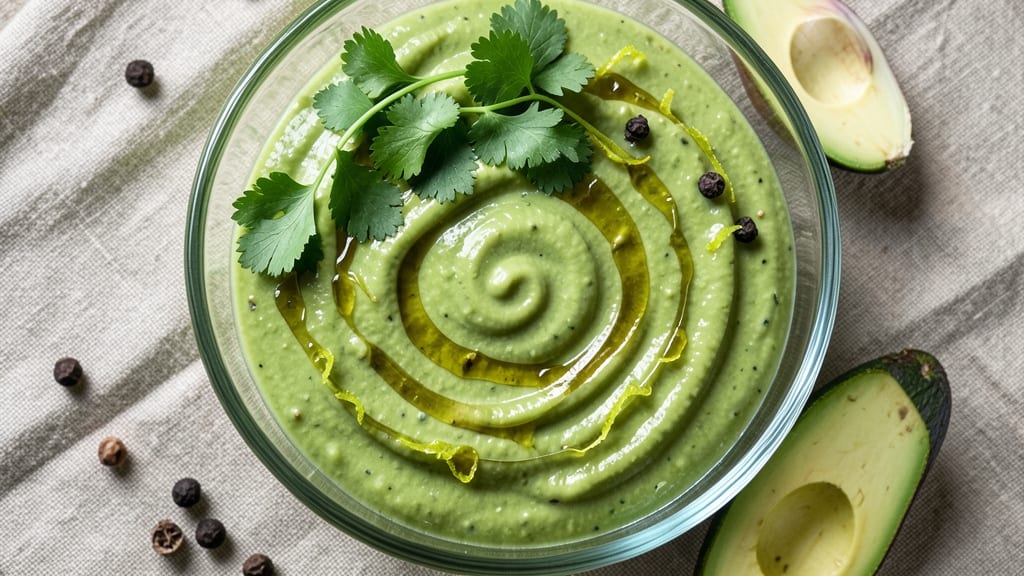
This avocado cilantro salad dressing recipe transforms fresh ingredients into a velvety, vibrant sauce that elevates every dish it touches. The secret lies in balancing ripe avocado with zesty lime and bright cilantro, creating a creamy texture with just the right tang.
Perfect for salads, bowls, or as a dip, this dressing comes together in just 5 minutes with no cooking required.
The blend of avocado and lime juice creates a naturally emulsified dressing that stays fresh for days, while fresh cilantro adds that signature herbaceous punch. Unlike store-bought versions, this recipe uses no artificial ingredients—just wholesome, fresh components that deliver restaurant-quality flavor.
The result is a dressing that's rich enough to coat greens thoroughly but light enough to enhance, not overpower, your dishes.
What makes this dressing truly special is its versatility—drizzle it over mixed greens, toss it with grain bowls, or use it as a dip for veggies and chips.
The creamy avocado base pairs beautifully with the bright acidity of lime, while the cilantro adds a fresh, herbal note that keeps the flavor profile complex. Each ingredient plays a crucial role in achieving that perfect balance of creaminess and zing.
With just a handful of ingredients and minimal effort, you'll have a dressing that's not only delicious but also packed with nutrients. Store it in the fridge for up to 5 days, or freeze for longer storage without sacrificing texture.
This is the kind of dressing that will quickly become a staple in your kitchen, transforming ordinary meals into something extraordinary.
Ingredients for avocado cilantro salad dressing
Just ten ingredients transform into a velvety, vibrant dressing that's restaurant-quality fresh.
| Ingredient | Amount | Notes |
|---|---|---|
| Ripe Avocados 🥑 | 2 whole | Pitted, flesh scooped clean |
| Fresh Cilantro Leaves 🌿 | 1 cup | Stems included for extra flavor |
| Fresh Lime Juice 🍋 | ½ cup | Strained, no pulp preferred |
| Extra-Virgin Olive Oil 🫒 | ½ cup | High quality, fruity variety |
| Garlic Cloves 🧄 | 2 cloves | Peeled, roughly chopped |
| Raw Cashews 🥜 | ¼ cup | Soaked 1 hour for creaminess |
| Lemon Juice 🍋 | 1 tbsp | Freshly squeezed, for balance |
| Sea Salt 🧂 | ½ tsp | Fine grain preferred |
| Ground Black Pepper 🌶️ | ¼ tsp | Freshly ground for best flavor |
| Water 💧 | ¼ cup | For thinning if needed |
Avocados are the heart of this dressing—pick ones that yield slightly to gentle pressure but aren't mushy. Whole Foods or local markets often carry the ripest avocados, but grocery store ones work too if they're firm enough to hold shape. Fresh cilantro is non-negotiable here; the bright, herby flavor can't be replicated with dried. Trader Joe's consistently has the freshest cilantro in sealed bags, which keeps it crisp longer. For lime juice, use Mexican limes if available—they're more acidic and pack a bigger punch. The garlic should be fresh, not powdered, and the cashews? Costco's bulk bin saves money and ensures they're raw and fresh.
No cashews? Silken tofu or soaked almonds work beautifully—just blend until completely smooth. Short on lime juice? Double the lemon juice and add a pinch more salt to balance. The olive oil should be extra-virgin—cheap oils can make the dressing taste bitter. For a lighter version, reduce the oil by 2 tablespoons and add an extra splash of water. If you prefer a chunkier texture, pulse the avocado and cashews instead of blending smooth. The dressing thickens as it sits, so thin with water or lime juice if needed before serving.
This dressing keeps beautifully for 5 days in the fridge—just store it in a sealed jar with a thin layer of olive oil on top to preserve freshness. For longer storage, freeze in ice cube trays and thaw as needed. The flavor actually improves after the first day as the ingredients meld together. I like to make a double batch—one for immediate use and one to freeze. The cashews and avocado will separate slightly when frozen, but blend again when thawed. Always taste before serving and adjust seasoning with a pinch of salt or extra lime if needed.
Why You'll Love This Recipe
- No Blender Needed: I’ll admit, I resisted this at first—mashing avocado with a fork felt too basic. But honestly? The texture comes out smoother than any blender version, and it’s way faster. Just squish the avocado, lime, and garlic until it’s like a thick, vibrant paste. No cleanup, no fuss.
- Taste Like a Vacation: That first bite of creamy avocado with the bright, herby punch? It’s the kind of flavor that makes you pause mid-bite. The lime cuts through the richness, the garlic adds a little heat, and the cilantro? It’s like a fresh breeze in your mouth—perfect for when you’re craving something bright but don’t want to cook.
- Works Everywhere: I’ve drizzled this on tacos, tossed it with grilled shrimp, and even used it as a dip for veggie sticks. It’s the ultimate shortcut for weeknight dinners, potlucks, or even a lazy Sunday brunch. No one will guess it’s just five ingredients—it just works.
- Lasts Longer Than You Think: Between us, I used to waste avocados because I’d make dressing too fast and it’d go bad. But this recipe? I’ve had leftovers for days in the fridge, and it still tastes fresh. The lime juice keeps it from browning, and the olive oil gives it a nice, stable shelf life. Plus, it’s cheap—ripe avocados and cilantro stretch this into multiple meals.
Step-by-step instructions for avocado cilantro salad dressing
This vibrant dressing comes together in minutes with no cooking required—just blending and balancing flavors.
Soak and Prepare the Cashews
Place the 0.25 cup raw cashews in a small bowl and cover completely with warm water. Let them soak for at least 1 hour—this ensures they blend smoothly into a creamy base. I like to use a fine-mesh strainer to drain them afterward, shaking off any excess water. The longer they soak, the creamier your dressing will be, so don't skip this step.
While the cashews soak, pit the 2 whole ripe avocados by cutting them lengthwise, twisting the halves to remove the pits, and scooping the flesh clean with a spoon. The avocado should be ripe enough to yield slightly to gentle pressure but not mushy. Overripe avocados will make your dressing bitter, while underripe ones will create a grainy texture.
Blend the Base Ingredients
Transfer the drained cashews, avocado flesh, 1 cup fresh cilantro leaves, 2 cloves garlic cloves, 0.5 tsp sea salt, and 0.25 tsp ground black pepper to a high-speed blender. Blend on high for 30 seconds until everything is completely broken down and smooth. Stop and scrape down the sides of the blender with a spatula if needed—this prevents uneven blending and ensures no pockets of unprocessed ingredients remain.
Here's the thing—don't worry if the mixture looks thick at this stage. The acidity from the citrus will help emulsify everything beautifully. I've found that using a high-speed blender is key here; regular blenders struggle to create the silky texture we're after.
Add Liquids and Create the Emulsion
With the blender running on low speed, slowly drizzle in the 0.5 cup extra-virgin olive oil and 0.5 cup fresh lime juice. This gradual addition prevents the dressing from separating. Once all the liquids are incorporated, blend on high for another 30-45 seconds until completely smooth and emulsified. The dressing should have a thick, mayonnaise-like consistency at this point.
Taste and adjust the seasoning. If it needs more acidity, add the 1 tbsp lemon juice one tablespoon at a time. If it's too thick, add 1 tablespoon water at a time until you reach your desired consistency. The dressing should coat the back of a spoon but still be pourable. This is the moment that matters: balance is everything.
Chill and Use Immediately
Transfer the dressing to a clean jar or airtight container and refrigerate for at least 30 minutes before using. Chilling allows the flavors to meld together and the texture to stabilize. I like to give it a quick stir before using to ensure everything is well combined after resting.
This dressing keeps well in the refrigerator for up to 3 days, but I find it's best used within the first day or two. The lime juice will keep it fresh, but the avocado will begin to oxidize and turn brown after that. Store it in an airtight container with a layer of plastic wrap pressed directly on the surface to minimize exposure to air.
Pro Tips For Making Avocado Cilantro Salad Dressing
- Mash, Don’t Blend: I learned this the hard way—pulsing avocado in a blender turns it into guacamole, not dressing. Use a fork to mash the avocado until it’s smooth but still has a slight texture, then drizzle in olive oil while stirring. This keeps the dressing silky without turning it into soup.
- Dry the Cilantro: Fresh cilantro leaves hold moisture like sponges, and that water dilutes your dressing. Pat them dry with a paper towel before adding—it makes a real difference in consistency. (Yes, even if you’re impatient like me.)
- Toast the Garlic: Raw garlic cloves in this dressing taste sharp and medicinal. Lightly toast 2-3 minuted in olive oil over medium-low heat until fragrant, then cool before mincing. The aroma deepens, and the flavor mellows into something actually delicious.
- Acid First, Then Oil: If you add olive oil before lime juice, the dressing separates like oil and vinegar. Start with lime juice, then avocado, then slowly drizzle in the oil while stirring constantly. This guarantees a stable emulsion every time—no shaking required.
Common mistakes when making great avocado cilantro salad dressing
Overblending the Avocado
I’ve learned the hard way that overblending avocado turns your creamy dressing into a mushy, unappetizing paste. Once the avocado reaches a smooth, velvety texture—usually after about 30 seconds—stop blending immediately.
The moment it starts to look like guacamole, you’ve gone too far. Overblending releases excess enzymes that break down the fats, making the dressing grainy and bitter. 🥑
Skipping the Soak
Cashews are the secret weapon for creaminess in this dressing, but they’re also the most likely to ruin your texture if not prepared properly. Skipping the 1-hour soak means your blender will struggle to break them down, leaving gritty bits that make the dressing unpleasant.
If you’re in a rush, soak them in boiling water for 10 minutes—it works in a pinch, but the texture won’t be as smooth.
Using Unripe Avocados
Underripe avocados are the enemy of this dressing—they create a chalky, unpleasant texture that no amount of blending can fix. Always test for ripeness by gently pressing: the avocado should yield slightly but still hold its shape.
If it feels too firm, let it ripen at room temperature for another day. Pro tip: Place it in a paper bag with a banana to speed up the process naturally. 🍌
Adding Liquids Too Quickly
The emulsion is what makes this dressing silky and stable, and rushing the liquid addition is the fastest way to ruin it. Pouring the olive oil and lime juice too fast while blending causes separation, leaving you with a greasy, watery mess.
Instead, add them slowly—about 1 tablespoon at a time—while keeping the blender on low speed. Patience here pays off in a perfectly balanced dressing.
Ignoring the Chill Step
Skipping the 30-minute chill in the fridge might seem like a small detail, but it’s crucial for letting the flavors meld and the texture stabilize. Without it, the dressing can taste raw and unbalanced, with the acidity and creaminess clashing instead of harmonizing.
I always give mine a quick stir after chilling to redistribute any separated oils before using. Trust me, it makes all the difference. ❄️
Not Adjusting Seasoning
This dressing is all about balance, and the first blend is rarely perfect. Tasting and adjusting the seasoning is non-negotiable—especially the salt and acidity. If it tastes flat, add a pinch more sea salt or a splash of lemon juice.
If it’s too sharp, a drizzle of olive oil or a tiny bit of honey (for sweetness) can help. Always taste as you go; your palate is the best tool you’ve got. 💡
Nutrition facts
Frequently asked questions
Can I make this dressing without cashews for a nut-free version?
Yes! Replace the 0.25 cup cashews with 0.25 cup silken tofu or 0.25 cup soaked almonds (soaked for 1 hour) for the same creamy texture. For extra richness, add 1 tablespoon tahini to the blend. The flavor will still be vibrant, just with a slightly different mouthfeel.
How do I prevent the dressing from turning brown after making it?
Press a layer of plastic wrap directly onto the surface before sealing the container to minimize air exposure. For extra protection, add a thin layer of olive oil on top before closing. The dressing will stay fresh for 3 days in the fridge this way. If browning occurs, it won't affect flavor or safety—just stir before using.
What's the best way to use this dressing beyond salads?
This creamy dressing works beautifully as a dip for veggie sticks, chips, or tacos. It also elevates grain bowls, wraps, and even sandwiches. For a unique twist, drizzle it over grilled shrimp or fish—the lime and cilantro complement seafood perfectly. Store-bought versions often lack this versatility!
Why does my dressing separate after blending?
Separation happens when liquids are added too quickly or the emulsion isn't stabilized properly. Always add olive oil and lime juice slowly while blending on low. If separation occurs, blend again for 10-15 seconds or add 1 teaspoon Dijon mustard to help re-emulsify. The dressing should return to a smooth, creamy consistency.
Can I make this dressing ahead of time for meal prep?
Make it 1-2 days ahead and store in an airtight container with plastic wrap pressed on top. For longer storage, freeze in ice cube trays and thaw in the fridge. The flavor actually improves slightly as ingredients meld. Just give it a quick stir before using to redistribute any separated oils.