Sauces & Condiments
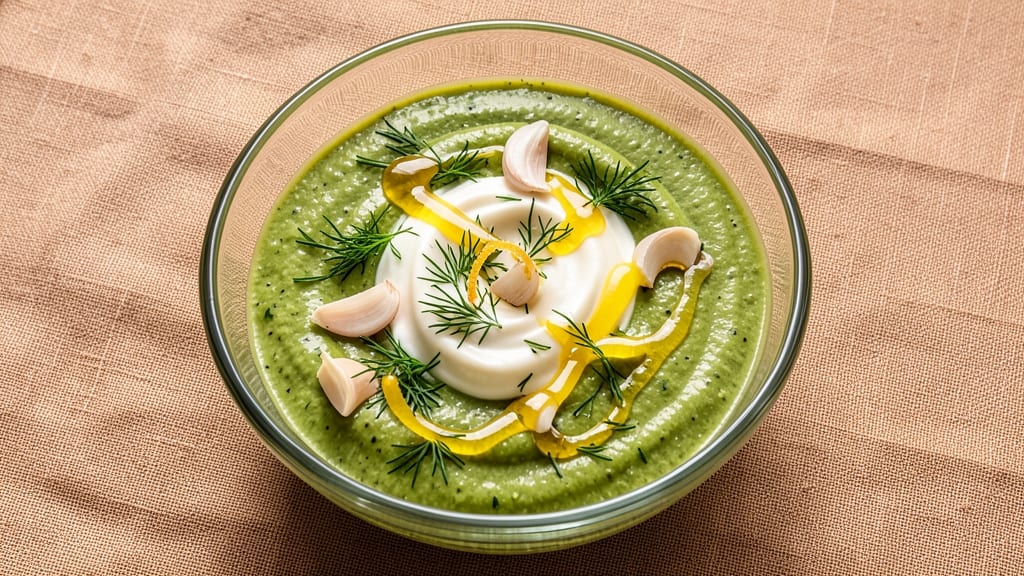
This avocado yogurt salad dressing recipe transforms simple ingredients into a velvety, tangy sauce that replaces mayo without sacrificing creaminess. The secret lies in blending ripe avocado with plant-based yogurt and citrus, creating an emulsified texture that clings beautifully to greens and grains.
I developed this after craving a lighter dressing that still delivered rich, satisfying flavor—perfect for those who avoid dairy or want a fresher alternative.
The base ingredients—avocado, Greek-style yogurt, lemon juice, and garlic—work together to create a dressing that’s both vibrant and deeply flavorful. Unlike traditional mayo-based dressings, this version stays fresh longer and adds a subtle nutty depth from the avocado.
The addition of olive oil and fresh herbs (like dill or basil) ensures it’s versatile enough for salads, grain bowls, or even as a dip for roasted vegetables.
What makes this dressing stand out is its ability to stay creamy even after refrigeration—just shake before use to re-emulsify. It’s ideal for meal prep, keeping for up to 5 days in the fridge, and pairs exceptionally well with hearty greens, quinoa, or grilled proteins.
The tangy-sweet balance makes it a game-changer for anyone looking to elevate their salads without heavy creaminess.
For extra richness, blend in a splash of tahini or add roasted garlic for depth. Whether you’re vegan, dairy-sensitive, or simply seeking a lighter option, this dressing delivers restaurant-quality results with minimal effort. Let’s make it—your salads will never be the same.
Ingredients for avocado yogurt salad dressing
Nine simple ingredients create restaurant-quality dressing without mayo or dairy.
| Ingredient | Amount | Notes |
|---|---|---|
| Ripe Avocados 🥑 | 2 whole | Pitted, flesh scooped |
| Plain Plant-Based Yogurt 🥛 | 1 cup | Unsweetened, Greek-style preferred |
| Fresh Lemon Juice 🍋 | 2 tbsp | Freshly squeezed, no pulp |
| Extra-Virgin Olive Oil 🫒 | ½ cup | High quality, fruity |
| Garlic Cloves 🧄 | 3 cloves | Peeled, fresh preferred |
| Fresh Dill 🌿 | ¼ cup | Chopped, stems removed |
| Apple Cider Vinegar 🍶 | 1 tbsp | For tangy depth |
| Sea Salt 🧂 | ½ tsp | Fine grain preferred |
| Ground Black Pepper 🌶️ | ¼ tsp | Freshly ground |
| Tahini 🥜 | 1 tbsp | Optional for richness |
The avocados are the star—ripe but firm is key. Trader Joe's or local markets usually have the best selection. If using pre-cut, check for browning on the pit side. The plant-based yogurt should be thick and tangy—Silk or Kite Hill brands work perfectly. For extra richness, add 1 tablespoon of tahini—it adds nutty depth and helps bind the dressing. Fresh dill is ideal, but if you're short, dried dill at one-third the amount works in a pinch.
No fresh dill? Fresh parsley or basil can substitute at the same quantity. Short on lemon juice? Lime juice works too, though it has a slightly different brightness. The olive oil matters here—avoid cheap brands that taste harsh. For a smoother texture, strain the avocado mixture through a fine-mesh sieve. Want it spicier? Add a pinch of cayenne or red pepper flakes to the final blend. The apple cider vinegar is non-negotiable—it balances the richness beautifully.
This dressing stays fresh for 5 days in the fridge, sealed tightly in a jar. To re-emulsify after refrigeration, simply shake vigorously before using. For meal prep, portion into small containers—ice cube trays work perfectly for single-use portions. Freeze for up to 3 months if you won't use it within a week. Store the avocado flesh separately if prepping ahead to prevent browning.
Why You'll Love This Recipe
- No Blender Needed: I swear by this—just mash the avocado with a fork right in the bowl. No small appliances, no extra cleanup, just smooth, creamy magic in minutes. The yogurt thickens it perfectly without any fuss.
- Tangy-Garlic Magic: That bright lemon cut through the richness, while the garlic—roasted or raw—adds a depth that makes it ridiculously good on greens or grilled chicken. Honestly, it’s the kind of dressing that makes you pause mid-bite.
- Weeknight Workhorse: Drizzle it over roasted veggies, toss it with pasta, or use it as a dip—this stuff works everywhere. I keep a jar in the fridge for emergencies (read: when I forget to meal prep).
- Lasts All Week: Avocado stays fresh for days when mixed with yogurt, and the acidity keeps it from browning. Between us, this is my go-to for lazy lunches—no sad, wilted salads here.
Step-by-step instructions for avocado yogurt salad dressing
This creamy, tangy dressing comes together in minutes with simple technique.
Scoop and Mash the Avocados
Cut the 2 whole ripe avocados in half, remove the pits, and scoop the flesh into a food processor or blender. I like to use the back of a spoon to press against the avocado skin to extract every last bit of creamy flesh. The avocados should be ripe but not overly soft—when gently squeezed, they should yield slightly but still hold their shape.
Pulse the avocado flesh a few times until it forms a smooth, thick paste. This breaks down the fibers without over-processing, which can turn the dressing greasy. If you're using a blender, pulse on low speed to avoid creating air bubbles that could make the dressing too light. The texture should be completely smooth with no visible chunks.
Add Yogurt, Lemon Juice, and Seasonings
Add the 1 cup plain plant-based yogurt, 2 tablespoons fresh lemon juice, 0.5 teaspoon sea salt, and 0.25 teaspoon ground black pepper to the food processor. The yogurt should be thick and creamy—if it's too thin, strain it first through a fine-mesh sieve to remove excess liquid. The lemon juice adds brightness that balances the richness of the avocado.
Pulse the mixture again until fully combined. You'll notice the color lighten slightly as the yogurt incorporates. The lemon juice will make the dressing tangy, so taste as you go—you can always add a bit more later if needed. The salt and pepper should be evenly distributed at this stage, but don't worry if it doesn't taste fully seasoned yet; the remaining ingredients will tie everything together.
Blend in Olive Oil and Garlic
With the food processor running on low speed, slowly drizzle in the 0.5 cup extra-virgin olive oil. This gradual addition prevents the dressing from becoming too thick or splitting. The olive oil should emulsify smoothly, creating a luxurious, velvety texture. If the mixture looks too thick, add 1 tablespoon of water to help it blend.
Add the 3 peeled garlic cloves and pulse until finely minced. You want the garlic to be completely incorporated but not fully blended into a paste—this ensures you get subtle garlic flavor without overpowering the dressing. The olive oil adds depth and richness, while the garlic provides a savory backbone that pairs perfectly with the creamy avocado base.
Incorporate Dill and Vinegar for Freshness
Add the 0.25 cup chopped fresh dill and 1 tablespoon apple cider vinegar to the food processor. Pulse just until the dill is finely chopped and evenly distributed. The dill adds a bright, herbal note that cuts through the richness, while the vinegar enhances the tanginess. The dressing should now have a vibrant green color and a balanced flavor profile.
For an extra layer of richness, add the 1 tablespoon tahini and pulse until fully combined. The tahini adds a nutty depth that complements the avocado perfectly. If the dressing is too thick, thin it with 1-2 tablespoons of water until it reaches a pourable consistency. The ideal texture should be smooth, creamy, and just thick enough to cling to salad greens.
Taste and Adjust Before Serving
Transfer the dressing to a bowl and taste it immediately. You may need to adjust the seasoning—add more lemon juice if it's too mild, or a pinch more salt if it needs more depth. The dressing should be tangy, creamy, and well-balanced with no single flavor overpowering the others.
Let the dressing sit at room temperature for 10 minutes before using. This allows the flavors to meld together and the texture to stabilize. Store any leftovers in an airtight container in the refrigerator for up to 3 days. If the dressing separates, simply whisk or blend it again before using. This dressing is perfect for greens, grain bowls, or as a dip for veggies.
Pro Tips For Making Avocado Yogurt Salad Dressing
- MASH WITH A FORK—NOT A KNIFE: Avocados are stubborn when chopped, and they’ll oxidize faster if you slice them. Just halve, pit, and mash with a fork right in the bowl—it’s quicker and keeps the texture smooth. I used to struggle with clumps until I realized this is the only way to avoid turning your dressing into avocado confetti.
- USE COLD YOGURT STRAIGHT FROM THE FRIDGE: Room-temperature yogurt thins out the dressing, making it too loose. Grab that cold tub right out of the fridge—it blends better, thickens faster, and keeps the avocado from turning gray too soon. Trust me, your salad will thank you.
- SQUEEZE THAT LEMON HARD: Fresh lemon juice is non-negotiable, but don’t skimp—measure it. A tablespoon of bottled "lemon juice" won’t cut it. Roll the lemon first, then cut it open and squeeze with your hands over the bowl. You need about 2 tablespoons, or the dressing will taste flat.
- GARLIC: MINCE IT SMALL, THEN REST IT: Raw garlic is sharp and can overpower. Mince it super fine (almost paste-like), then let it sit in the dressing for 5 minutes before using. This mellows the bite and lets the flavors meld—no one wants a bite of dressing that tastes like garlic alone.
Troubleshooting this dish
Separation Solutions
If your dressing separates after refrigeration, don’t panic—this is normal! The avocado’s natural oils will rise to the top. Simply shake the jar vigorously for 10-15 seconds before using, or blend it briefly with a small splash of water (1 tbsp) to re-emulsify.
For extra insurance, store it in a small, wide-mouth jar (like a Mason jar) to minimize separation. 💫
Avocado Browning
To prevent avocado browning before blending, toss the scooped flesh with 1 tsp lemon juice and press it into an airtight container, pressing plastic wrap directly on the surface. If browning occurs after blending, add ½ tsp more lemon juice to brighten the flavor and mask any off-notes.
For meal prep, store avocado flesh separately until ready to blend. 🥑
Thickness Issues
If your dressing turns too thick, thin it with 1-2 tbsp cold water or plant-based milk (like almond or oat) while blending. For a smoother texture, strain through a fine-mesh sieve after blending.
If it’s too thin, blend in 1 tbsp extra yogurt or tahini to restore creaminess. The ideal consistency should coat the back of a spoon but still drizzle easily. ✨
Flavor Imbalance
If the dressing tastes too mild, boost brightness with ½ tsp more lemon juice or depth with ¼ tsp garlic powder. For tang, add ½ tsp apple cider vinegar or a pinch of smoked paprika for warmth.
If it’s too sharp, balance with ½ tsp honey or maple syrup. Taste as you go—adjustments are easy with this flexible base! 🌶️
Equipment Swaps
No food processor? Use a hand mixer or whisk in a bowl. For a quick fix, mash the avocado with a fork, then whisk in the yogurt and lemon juice, followed by the olive oil in a thin stream.
A mortar and pestle works too—just crush the garlic first, then blend in the remaining ingredients. The key is gradual incorporation to avoid separation. 💡
Storage Extenders
To maximize freshness, press plastic wrap directly onto the dressing’s surface in the jar before sealing. For longer storage (5+ days), freeze in ice cube trays, then transfer cubes to a bag—thaw overnight in the fridge.
Avoid freezing with tahini, as it can separate. Label with dates to track freshness! ❄️
Nutrition facts
Frequently asked questions
Can I make this dressing without a food processor?
Use a fork to mash the avocado first, then whisk in the yogurt and lemon juice in a bowl. Slowly drizzle in olive oil while whisking continuously to help emulsify. For extra creaminess, blend briefly with a hand mixer. The key is gradual incorporation to avoid separation.
How do I prevent the avocado from browning before using it?
Toss the scooped avocado flesh with 1 teaspoon lemon juice and press it into an airtight container. Press plastic wrap directly onto the surface to minimize air exposure. If browning occurs after blending, add ½ teaspoon more lemon juice to brighten the flavor. For meal prep, store avocado flesh separately until ready to blend.
What's the best way to store leftovers?
Transfer to an airtight container and press plastic wrap directly onto the surface to prevent oxidation. Store in the fridge for up to 5 days. Before using, shake vigorously or blend briefly with 1 tablespoon water to re-emulsify. For longer storage, freeze in ice cube trays—thaw overnight in the fridge. Avoid freezing with tahini.
Can I substitute other herbs besides dill?
Yes! Try fresh parsley, basil, or cilantro at the same quantity for different flavor profiles. For a Mediterranean twist, add ½ teaspoon dried oregano. If using dried herbs, reduce the amount by one-third compared to fresh. The herb choice should complement your salad base—bright herbs like parsley work well with leafy greens, while basil pairs beautifully with tomatoes.
Why does my dressing get too thick after refrigeration?
Cold temperatures cause the natural oils in avocado to solidify slightly. Thin with 1-2 tablespoons cold water or plant-based milk while blending. For a smoother texture, strain through a fine-mesh sieve. If it's too thin, blend in 1 tablespoon extra yogurt or tahini. The ideal consistency should coat the back of a spoon but still drizzle easily.