Side Dishes
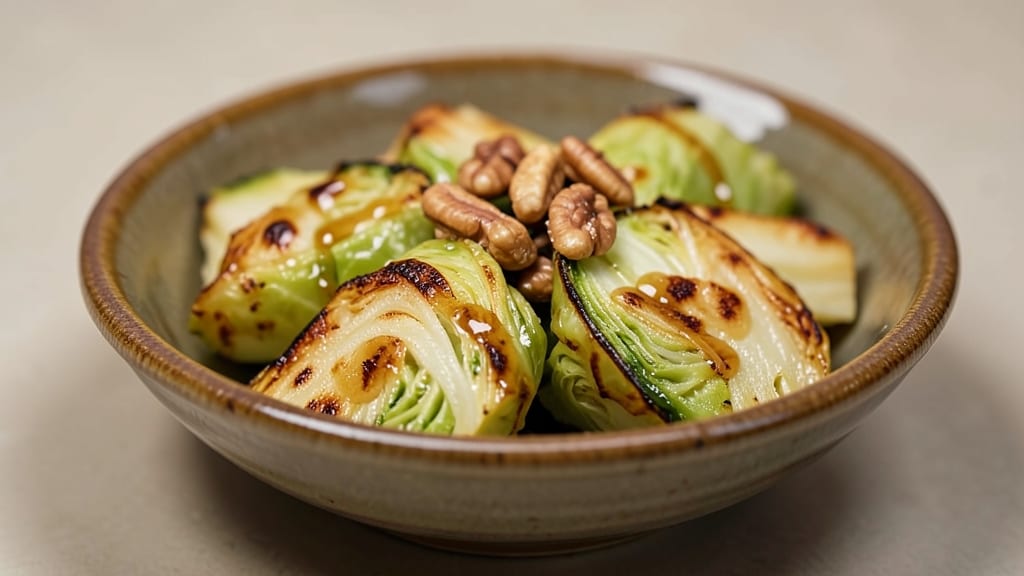
This baked cabbage salad transforms simple green cabbage into a crispy-edged, caramelized masterpiece that balances sweetness and savory depth. The secret lies in roasting whole wedges until tender yet still holding their shape, creating a texture that's impossibly satisfying—crunchy on the outside, tender within.
Unlike raw cabbage salads that wilt quickly, this warm version keeps its structure while developing rich, almost buttery flavors from the oven.
The process is straightforward but precise: cabbage wedges are tossed in olive oil, salt, and pepper before baking at 400°F until the edges turn golden and the core softens just enough to yield to a fork.
A final drizzle of honey or balsamic vinegar enhances the caramelization, while toasted nuts or seeds add crunch. This method works equally well with green or purple cabbage, and the salad holds up beautifully for meal prep—reheating briefly restores its warm, inviting texture.
What makes this salad special is its versatility—it stands alone as a hearty side but pairs equally well with grilled proteins, roasted meats, or even as a base for grain bowls. The warm, caramelized edges contrast perfectly with cooler elements like avocado or creamy dressings.
For a vegan version, simply omit any cheese or butter-based dressings; the natural sweetness of the cabbage shines through even without them.
Serve this salad warm alongside roasted chicken, pork tenderloin, or even as a vegetarian main with chickpeas or tofu for added protein. The crispy edges and tender centers make every bite worth the effort—this isn’t just a side dish, it’s a flavor experience. Let’s get baking!
Ingredients for baked cabbage salad
Transform simple cabbage into a caramelized masterpiece with these 12 quality ingredients.
| Ingredient | Amount | Notes |
|---|---|---|
| Green Cabbage 🥬 | 1 whole | Medium head, cut into 8 wedges |
| Extra-Virgin Olive Oil 🫒 | ¼ cup | High-quality, fruity variety |
| Honey 🍯 | 2 tbsp | For caramelization, local preferred |
| Balsamic Vinegar 🍷 | 1 tbsp | Aged for depth of flavor |
| Salt 🧂 | 1 ½ tsp | Kosher or sea salt preferred |
| Black Pepper 🌶️ | ½ tsp | Freshly ground for best flavor |
| Toasted Walnuts 🥜 | ½ cup | Chopped, for added crunch |
| Fresh Parsley 🌿 | ¼ cup | Chopped, for freshness |
| Garlic Cloves 🧄 | 2 cloves | Minced for aromatic depth |
| Vegetable Stock 💧 | ½ cup | Low-sodium for balance |
| Lemon Juice 🍋 | 1 tbsp | Freshly squeezed for brightness |
| Dried Thyme 🌿 | ½ tsp | For earthy undertones |
The cabbage is the star here, so pick a medium head with crisp, vibrant leaves—avoid any with yellowing or wilted spots. Trader Joe's and local farmers markets often carry the freshest options, but the grocery store works too. For extra crispiness, cut the cabbage into even wedges with the core intact. The olive oil should be extra-virgin—look for bottles labeled 'fruity' or 'robust' on the packaging. Costco and Whole Foods carry excellent options, but any reputable brand will work. Don't skip the honey—it's what creates those coveted caramelized edges during baking.
No honey? Maple syrup or agave nectar work in a pinch, though the flavor profile will differ slightly. Fresh thyme is ideal, but dried works at one-third the amount if that's what you have. The walnuts can be swapped for pecans or sunflower seeds if you prefer a different texture. For a tangier finish, white balsamic vinegar adds a sharper contrast. If you're making this ahead, store the baked cabbage wedges separately from the dressing components—they'll stay crispier that way. The vegetable stock adds depth but can be omitted if you're keeping this strictly vegan.
This salad reheats beautifully—just 5 minutes at 350°F restores its warm, inviting texture. Store components separately in airtight containers for up to 5 days. The walnuts and parsley can be toasted and chopped ahead of time, saving you 10 minutes on prep day. For meal prep, assemble the salad just before serving to maintain that perfect crunch. The dressing keeps for 1 week in the fridge, so make extra for other salads or roasted vegetables.
Why You'll Love This Recipe
- Zero Chopping Chaos: I swear, this is the only cabbage salad where I don’t end up with a kitchen that looks like a tornado hit it. Just quarter the head, toss it with oil, salt, and bake—no mandoline, no tears.
- Sweet-Savory Magic: That honey-balsamic glaze? It’s the star. The cabbage gets tender and caramelized while the edges crisp just enough—like a perfect balance of sticky, tangy, and crisp all at once.
- Lunchbox Hero: Between us, this is my go-to for packed lunches. It holds up for days in the fridge (yes, even after three), and the flavors only get better. Toss it with grilled chicken or eat it straight—no judgment.
- Budget Bright Spot: Green cabbage is basically free these days, and a little olive oil plus vinegar stretches into a whole bowl of something that tastes like you spent hours on it. Honestly, it’s my secret for making simple meals feel special.
Step-by-step instructions for baked cabbage salad
Transform simple cabbage into a warm, caramelized masterpiece with crispy edges and rich flavors.
Prep and Season the Cabbage Wedges
Begin by cutting the 1 whole green cabbage into 8 even wedges, keeping the core intact to maintain structure. Remove any wilted outer leaves and trim the base to create a flat surface for stability. Arrange the wedges on a rimmed baking sheet, cut-side up, with about 1 inch between each piece.
In a small bowl, whisk together the 0.25 cup extra-virgin olive oil, 2 tbsp honey, 1 tbsp balsamic vinegar, 1.5 tsp salt, 0.5 tsp black pepper, and 0.5 tsp dried thyme. This mixture is the foundation of your caramelized flavor. Drizzle the dressing evenly over the cabbage wedges, making sure each side is fully coated. Let them sit at room temperature for 10 minutes while the oven preheats to 400°F. This resting period allows the cabbage to absorb the flavors deeply.
Bake Until Caramelized and Crispy
Place the baking sheet in the preheated oven and bake the cabbage for 25-30 minutes, flipping each wedge halfway through the cooking time. You're aiming for golden brown edges and tender yet slightly crispy leaves. The cabbage should be soft enough to pierce easily with a fork but still hold its shape. If the edges aren't browning enough, increase the oven temperature to 425°F for the last 5 minutes of baking.
Here's the thing—don't overcrowd the baking sheet. If you're working with a large oven, bake in batches to ensure even browning. The crispy edges come from proper airflow, so keep that space between wedges. Once removed from the oven, let the cabbage rest on the baking sheet for 5 minutes before handling. This resting period helps the juices redistribute, preventing a soggy salad.
Build the Warm Salad Base
While the cabbage bakes, create the warm base for your salad. In a small saucepan, combine the 0.5 cup vegetable stock, 1 tbsp lemon juice, and the 2 minced garlic cloves. Bring to a gentle simmer over medium heat and cook for 3-4 minutes until slightly reduced. This step infuses the stock with garlic and lemon brightness, creating a flavorful liquid to tie everything together.
Remove the saucepan from heat and stir in the 0.5 cup toasted walnuts and 0.25 cup chopped fresh parsley. The walnuts add a satisfying crunch, while the parsley brings freshness to balance the rich, caramelized flavors. Let this mixture cool slightly before combining with the cabbage. The contrast between the warm, crispy cabbage and this cool, nutty base is what makes this salad truly special.
Assemble and Serve Immediately
Transfer the baked cabbage wedges to a large serving platter or individual plates. Spoon the warm vegetable stock mixture evenly over the cabbage, allowing it to seep into the crevices and coat the leaves. The residual heat from the stock will gently warm the salad, enhancing the caramelized flavors and making each bite inviting.
Garnish with an additional sprinkle of chopped parsley and serve immediately while the cabbage is still warm and crispy. This salad shines as a hearty side dish for roasted meats or as a standalone vegetarian main course. The combination of sweet, tangy, and savory flavors, along with the satisfying crunch, makes every bite unforgettable. Enjoy while it's warm—this dish doesn't wait!
Pro Tips For Making Baked Cabbage Salad
- CUT CABBAGE THINLY: I learned this the hard way—thick slices turn tough and chewy when baked. Use a sharp knife or mandoline to slice the cabbage into ⅛-inch rounds. The thinner the slices, the faster they’ll soften and caramelize evenly.
- BAKE UNTIL GOLDEN: Don’t stop at tender—wait until the edges hit a deep golden brown, around 30-35 minutes at 400°F (200°C). That’s when the natural sugars caramelize, giving you that sweet, nutty depth. (Yes, even if it looks dry—it won’t be.)
- SALT THE CABBAGE FIRST: Toss the raw cabbage slices with salt and olive oil before baking. Let them sit for 10 minutes—this draws out moisture, so the cabbage crisps up better and absorbs the honey-balsamic dressing like a dream.
- DRESS IT HOT: Pour the warm honey-balsamic dressing over the cabbage straight from the oven. The heat opens up the cabbage’s fibers, letting the flavors seep in deeper. (Pro move: Warm the dressing in a small saucepan for 30 seconds—no simmering, just enough to loosen the syrup.)
Perfect pairings for these flavors
Protein Pairings
This warm, caramelized cabbage salad pairs beautifully with grilled chicken breast—the juicy, smoky protein contrasts perfectly with the crispy edges. I like to marinate the chicken in lemon, garlic, and olive oil for 30 minutes before grilling at 400°F for 15-18 minutes.
The result? A protein-rich plate that balances the salad's sweetness and crunch. 🍗
For a vegetarian option, pan-seared tofu works wonderfully. Press and cube extra-firm tofu, then coat in 1 tbsp cornstarch and pan-fry in 1 tbsp neutral oil until golden on all sides.
Toss with a sprinkle of soy sauce and sesame seeds for an Asian-inspired twist that complements the cabbage's caramelized depth.
Grain Bowls
Turn this salad into a complete meal by serving it over warm farro or quinoa. Cook 1 cup farro in 2 cups vegetable broth> for 25 minutes until tender, then fluff with a fork.
Add the baked cabbage salad on top and drizzle with a tahini-lemon dressing (mix 2 tbsp tahini, 1 tbsp lemon juice, and 1 tsp honey). The nutty grains soak up the dressing beautifully while adding fiber and texture.
Cheese Additions
For a cheesy upgrade, sprinkle ¼ cup crumbled feta> or goat cheese over the cabbage before serving. The tangy, creamy cheese melts slightly from the residual heat, creating pockets of richness.
I recommend using freshly crumbled feta from Trader Joe's or a local cheese shop—pre-shredded versions often contain anti-caking agents that make them less flavorful. 🧀
Dressing Variations
Swap the vegetable stock base for a creamy dressing by blending ½ cup Greek yogurt, 1 tbsp Dijon mustard, and 1 tsp honey>. Drizzle this over the warm cabbage for a tangy, protein-packed twist.
For a nutty flavor, blend ¼ cup almond butter with 2 tbsp apple cider vinegar> and a pinch of salt—this adds depth without overpowering the cabbage's natural sweetness.
Seasonal Additions
In fall, toss in roasted butternut squash cubes (tossed in 1 tbsp olive oil and roasted at 400°F> for 20 minutes) to add natural sweetness. For spring, fold in shaved fennel and orange segments for a bright, citrusy contrast.
In winter, a sprinkle of toasted pumpkin seeds adds crunch and a subtle earthy note that pairs beautifully with the caramelized cabbage. 🍂
Nutrition facts
Frequently asked questions
Can I use purple cabbage instead of green?
Purple cabbage works beautifully and adds vibrant color to your dish. The baking process will intensify its natural hues, creating stunning visual contrast. Just note that purple cabbage has a slightly stronger flavor—you may want to reduce the honey to 1 tbsp instead of 2 tbsp to balance the sweetness.
How do I prevent the cabbage from getting soggy?
Sogginess happens when moisture builds up during baking. To prevent this, leave 1 inch of space between wedges on your baking sheet and avoid overcrowding. Pat the cabbage dry before seasoning, and bake at 400°F for no longer than 30 minutes. The 5-minute rest after baking is crucial—it lets excess moisture evaporate.
Can I make this ahead of time?
Yes, but with a few key adjustments. Bake the cabbage wedges up to 2 days ahead and store them in an airtight container at room temperature. Reheat in a 350°F oven for 5-10 minutes to restore crispiness. Prepare the dressing and toppings separately—assemble everything just before serving to maintain that perfect crunch.
What's the best way to reheat leftovers?
For best results, reheat the cabbage wedges alone in a 350°F oven for 5 minutes before adding any dressings or toppings. The residual heat will help them crisp up again. If using a microwave, cover with a damp paper towel and heat for 20-30 seconds—this prevents drying out. Add fresh parsley and nuts after reheating for maximum flavor.
Can I make this vegan?
Easily! Simply omit the honey (replace with maple syrup) and any dairy-based dressings. The original recipe is already vegan-friendly except for potential cheese additions. For extra richness, use a vegan yogurt or tahini-based dressing. The caramelized cabbage stands up beautifully to plant-based proteins like tofu or chickpeas.