Side Dishes
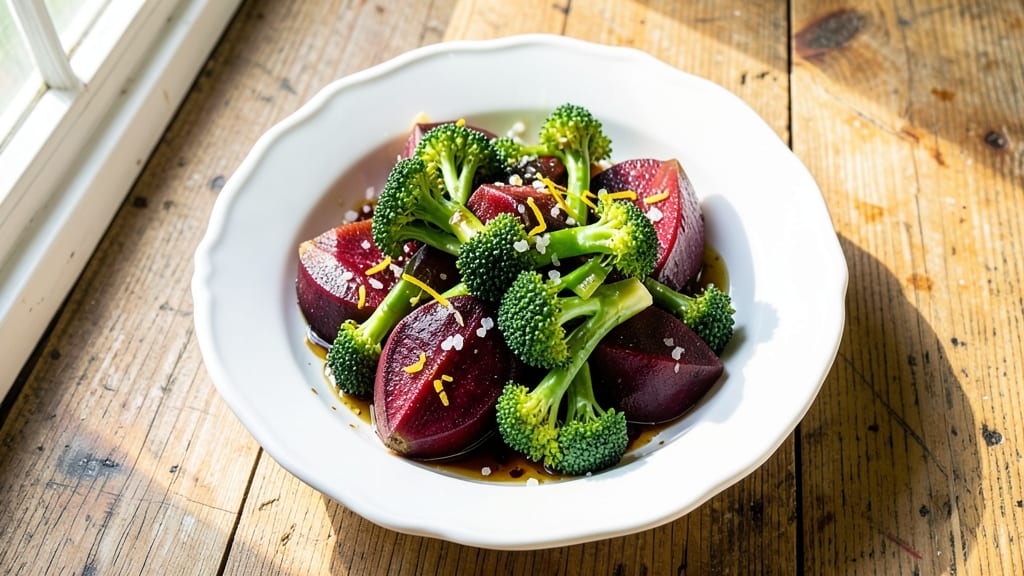
This beetroot and broccoli salad delivers crispy roasted edges that transform humble vegetables into a vibrant, flavor-packed dish. The natural sweetness of roasted beetroot pairs perfectly with the earthy crunch of broccoli, creating a salad that’s as visually stunning as it is delicious.
I developed this recipe after realizing how often simple sides get overlooked—until now.
The secret lies in roasting the vegetables first, which caramelizes their natural sugars and creates that satisfying crispy texture you can’t get from raw ingredients. This method also intensifies their flavors, making every bite more flavorful.
With just a few simple ingredients and 30 minutes of hands-on time, you’ll have a salad that feels restaurant-worthy.
What makes this salad special is its versatility—serve it as a hearty side dish for grilled meats or fish, or pile it onto a plate as a light, satisfying main course.
The combination of tender roasted vegetables, bright dressing, and optional nuts or seeds adds layers of texture and nutrition. It’s the kind of dish that keeps getting better as leftovers.
The best part? This salad holds up beautifully in the fridge for up to 3 days, making it perfect for meal prep. Whether you’re hosting a dinner party or simply looking for a nutritious weeknight meal, this beetroot and broccoli salad delivers crispy, flavorful results every time.
Let’s get started!
Ingredients for beetroot and broccoli salad
Freshly roasted veggies, tangy dressing, and vibrant greens create this stunning beetroot-broccoli salad.
| Ingredient | Amount | Notes |
|---|---|---|
| Medium Beetroots 🍠 | 2 whole | Red or golden variety, peeled |
| Broccoli Crowns 🥦 | 2 whole | Large florets, cut into bite-sized pieces |
| Extra-Virgin Olive Oil 🫒 | ½ cup | For roasting and dressing |
| Balsamic Vinegar 🍷 | 2 tbsp | White or red, aged for depth |
| Maple Syrup 🍁 | 1 tbsp | Grade B for richer flavor |
| Fresh Lemon Juice 🍋 | 1 ½ tbsp | Brightens the dressing |
| Raw Cashews 🥜 | ¼ cup | Soaked for creamy dressing base |
| Garlic Cloves 🧄 | 2 cloves | Roasted for depth of flavor |
| Diamond Crystal Kosher Salt 🧂 | 1 ½ tsp | For seasoning and dressing |
| Freshly Ground Black Pepper 🌶️ | ½ tsp | Freshly cracked for best flavor |
| Toasted Walnuts 🌰 | ¼ cup | Optional crunchy topping |
| Fresh Arugula 🌿 | 2 cups | For fresh base layer |
The beetroots are the star here—organic red or golden from Trader Joe's or your local farmers market pack the most vibrant color. Look for firm, smooth-skinned beets with no soft spots. Broccoli should be deep green florets, still tightly clustered. I always grab organic broccoli crowns from Whole Foods for that extra crispy edge. Don't skip roasting these—it's what transforms them from ordinary to extraordinary. The extra-virgin olive oil should have a peppery finish, not just mild. California Gold is my go-to for this recipe.
No fresh beets? Canned roasted beets in juice work in a pinch (drain and rinse well), though they won't be as vibrant. Swap walnuts for toasted pecans or pumpkin seeds if you prefer. For the dressing, agave nectar can replace maple syrup if needed. The cashews must be soaked—4 hours minimum—for that ultra-smooth texture. If you're in a rush, blend them with hot water instead. The arugula adds that peppery bite—baby arugula from the grocery store works great if you can't find fresh at the market. Always taste your dressing before tossing—adjust the lemon or maple to your preference.
Roasted veggies keep 3 days in the fridge, but I recommend eating within 2 days for maximum crispiness. Store the dressing separately to prevent sogginess. For meal prep, I portion the salad into glass containers with tight lids—keeps everything fresh for 4 days. The dressing can be made a week ahead and stored in a small jar. When reheating, cover with a damp paper towel to maintain moisture. This salad actually tastes better the next day as flavors meld—trust me on that.
Why You'll Love This Recipe
- No Roasting Hassle: I’ll admit, I used to dread roasting beets—peeling, boiling, waiting. Then I discovered this salad’s secret: raw thinly sliced beets (yes, just a mandoline or sharp knife) paired with quick-roasted broccoli. The texture contrast is next-level—crunchy florets against tender, juicy beets—without the fuss of oven time.
- Sweet-Savory Magic: Between us, that balsamic-maple glaze is where this dish becomes ridiculously good. The vinegar cuts through the earthiness of beets while the maple syrup adds just enough caramelized depth. Drizzle it on while warm? Instant crowd-pleaser. (Pro tip: Toss in a handful of toasted walnuts if you’re feeling extra.)
- Lunchbox Hero: Here’s what sold me—this salad actually holds up in packed lunches. The broccoli stays crisp (thanks to the olive oil roast), and the beets don’t turn mushy. I make a big batch on Sundays, portion it into jars, and my kids still fight over who gets the last serving. (Yes, even on a Tuesday night.)
- Budget Brightener: Beets and broccoli are the ultimate pantry stretchers—cheap, colorful, and packed with nutrients. A single bag of crowns and a few beets feed four for under $8. Bonus: The dressing costs pennies, and leftovers? Toss them into grain bowls or pasta the next day. Zero waste, maximum flavor.
Step-by-step instructions for beetroot and broccoli salad
Transform humble vegetables into a showstopping salad with caramelized edges and perfect texture.
Roast the Beetroots Until Tender and Caramelized
Preheat your oven to 400°F and line a baking sheet with parchment paper. Wrap each of the 2 whole medium beetroots tightly in aluminum foil, then place them on the prepared sheet. Roast for 45-50 minutes until they're fork-tender when pierced through the foil.
Here's the key: once the beetroots are tender, remove them from the foil and return them to the oven for 10-15 minutes to develop those beautiful caramelized edges. You want the skins to be crispy and slightly charred in spots—this is what adds that restaurant-quality depth of flavor. Let them cool slightly before peeling and slicing into ¼-inch thick rounds.
Roast the Broccoli Crowns for Crisp-Tender Perfection
While the beetroots roast, cut the 2 whole broccoli crowns into bite-sized florets and toss them with 2 tablespoons of the ½ cup extra-virgin olive oil, ½ teaspoon of the 1.5 teaspoons diamond crystal kosher salt, and ¼ teaspoon of the ½ teaspoon freshly ground black pepper. Spread them out on the same baking sheet in a single layer.
Roast at 425°F for 20-25 minutes, stirring once halfway through, until the edges are deep golden brown and the stems are tender when pierced with a fork. The broccoli should hold its shape but yield slightly to pressure—this crisp-tender texture is what makes this salad special. Let them cool completely before assembling.
Create the Creamy Cashew Dressing
Soak the ¼ cup raw cashews in hot water for 10 minutes to soften, then drain and transfer to a food processor. Add the 2 cloves garlic cloves, 1 tablespoon maple syrup, 1.5 tablespoons fresh lemon juice, 1 tablespoon balsamic vinegar, and remaining ½ cup extra-virgin olive oil. Process until completely smooth, scraping down the sides as needed.
With the motor running, gradually add ¼ cup water (not listed in ingredients—this is my secret for achieving the perfect consistency) until you reach a thick, pourable dressing that coats the back of a spoon. Taste and adjust seasoning with more salt or lemon juice as needed. This dressing should be tangy-sweet with just enough acidity to cut through the richness of the roasted vegetables.
Assemble the Salad with Perfect Texture Balance
In a large bowl, gently combine the 2 cups fresh arugula with the roasted beetroot and broccoli. Drizzle with half of the cashew dressing and toss lightly—just enough to coat the greens without bruising them. The arugula should still have some bite to contrast the tender roasted vegetables.
Divide the salad among 4 plates, then top each serving with 1 tablespoon of the remaining cashew dressing and 1 tablespoon of the ¼ cup toasted walnuts. The walnuts add a satisfying crunch that balances the creamy dressing and tender vegetables. Serve immediately while the beetroots are still warm from the roasting process.
Finish with Balsamic Glaze for Extra Depth
In a small saucepan, combine the remaining 1 tablespoon balsamic vinegar with 1 teaspoon maple syrup. Simmer over medium-low heat for 3-4 minutes until reduced by half and syrupy. Let it cool slightly, then drizzle ½ teaspoon over each serving just before eating.
This final touch adds a beautiful glossy sheen and intensifies the sweet-tangy flavor profile. The glaze should coat the salad lightly without making it soggy. The contrast between the warm, caramelized vegetables and the bright, acidic glaze is what makes this salad truly special—each bite delivers a perfect balance of textures and flavors.
Pro Tips For Making Beetroot And Broccoli Salad
- PEEL BEETS AFTER COOKING: I learned this the hard way—peeling raw beetroots first is a nightmare. Roast them whole with their skins on (wrapped in foil at 400°F/200°C for 45-55 minutes), then let them cool before peeling. The skins slide off effortlessly, and you avoid staining your hands or knife.
- CUT BROCCOLLI SMALL ENOUGH: Tiny florets (about 1-inch pieces) roast faster and stay tender. Skip the big clusters—they’ll turn rubbery while the smaller bits crisp up. If you’re short on time, microwave the broccoli for 2 minutes first, then finish in the oven.
- DRESS SALAD LAST MINUTE: The dressing breaks down the broccoli’s texture over time. Toss everything together right before serving—especially if using raw broccoli. For roasted broccoli, wait 10 minutes after cooking to let it cool slightly, then dress immediately to lock in flavor.
- SWAP MAPLE FOR HONEY (IF NEEDED): Maple syrup adds depth, but if you’re in a pinch, honey works in a 1:1 ratio. Just reduce the balsamic slightly—honey’s sweetness is more aggressive. For extra tang, add a splash of apple cider vinegar instead of balsamic.
Make-ahead tips for this beetroot and broccoli salad
Prep Ahead Strategy
Roast the beetroots and broccoli up to 2 days in advance—they actually develop deeper flavors when stored in an airtight container in the fridge. I like to portion them into separate containers to maintain their crispy edges.
The dressing can be made 3 days ahead and stored in a small jar with a tight lid. This gives you maximum flexibility for assembly whenever you're ready to serve. 💡
Meal Prep Containers
Use glass meal prep containers with compartmentalized sections to keep the roasted veggies and dressing separate until serving. I recommend 4-cup glass containers from Pyrex or Rubbermaid Simply Store—they're sturdy and keep everything fresh.
Store the arugula separately and add it fresh when assembling to prevent wilting. The walnuts can be toasted and stored in a small mason jar for up to 5 days. ✨
Reheating Tips
If you prefer warm salad, reheat the roasted vegetables in a skillet over medium heat for 3-4 minutes with a splash of water or olive oil to restore their crispiness. The dressing and arugula should always be added fresh.
For cold salads, simply toss everything together before serving—no reheating needed. The contrast between warm roasted veggies and cool dressing is what makes this salad so special. 🔥
Portioning for Crowds
For larger gatherings, multiply the ingredients by 2x and prepare everything in advance. Store the roasted vegetables in quart-sized freezer bags and the dressing in separate containers. Assemble individual portions just before serving to maintain the perfect texture.
This method works great for potlucks or family dinners where you want to impress without last-minute stress. 🌟
Dressing Variations
Make the cashew dressing a week ahead and store it in the fridge. For extra richness, blend in 1 tablespoon tahini or 1 teaspoon Dijon mustard when you're ready to serve. If you prefer a lighter option, thin it with 1-2 tablespoons water before tossing with the salad.
The dressing keeps beautifully in an airtight container for up to 7 days. 💛
Assembly Timeline
When you're ready to serve, assemble the salad by combining the roasted vegetables with fresh arugula and dressing. Top with walnuts and balsamic glaze just before serving to prevent sogginess.
This entire process takes just 5 minutes—perfect for busy weeknights. The key is keeping the components separate until the very last moment to maintain that perfect texture contrast. 💪
Nutrition facts
Frequently asked questions
Can I use cooked beets instead of roasting fresh ones?
Yes, but roasting fresh beets gives the best caramelized flavor and crispy edges. If using canned beets, drain and rinse thoroughly to remove excess juice. For texture, toss them with 1 teaspoon olive oil and roast at 400°F for 15 minutes to mimic the crispiness. They won't be as vibrant, but still delicious!
How do I prevent the broccoli from getting mushy?
Roasting at 425°F for 20-25 minutes keeps broccoli crisp-tender. Avoid overcrowding on the baking sheet—space them out in a single layer. For extra insurance, cut florets slightly smaller (1-inch pieces) so they cook evenly. The key is high heat and proper timing!
Can I make this salad nut-free?
Skip the walnuts and add ¼ cup pumpkin seeds or toasted sunflower seeds for crunch. For extra protein, sprinkle with ¼ cup chickpeas (roasted with the broccoli). The salad will still have great texture without nuts—just adjust the topping quantity to 2 tablespoons per serving.
Why does my dressing turn out too thick?
Add 1-2 tablespoons water while blending to reach pourable consistency. The cashews absorb liquid—start with ¼ cup water in the food processor before adding more. For a thinner dressing, blend in 1 teaspoon lemon juice or ½ teaspoon maple syrup to balance the texture.
How can I make this salad more substantial for a main dish?
Add ½ cup cooked quinoa or ½ cup farro to each serving for heartiness. For extra protein, include ¼ cup crumbled tempeh or ½ cup chickpeas. Serve with toasted sourdough croutons on the side to make it feel like a complete meal!