
Sauces & Condiments
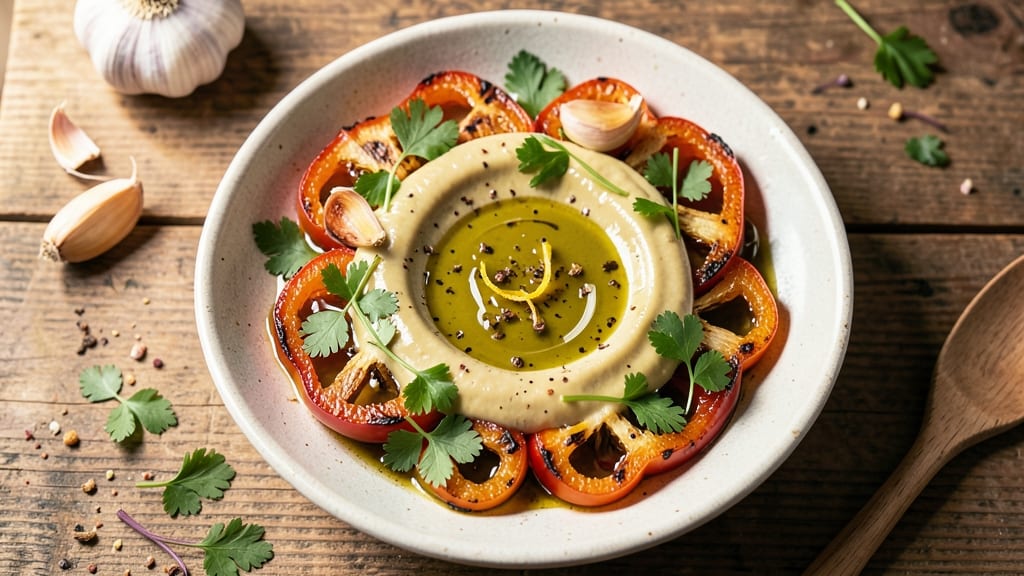
This bell pepper salad dressing recipe transforms simple greens into vibrant, restaurant-worthy meals with just five ingredients and 10 minutes of prep. The secret lies in roasting bell peppers until smoky and sweet, then blending them into a silky dressing that balances acidity, richness, and fresh herbs.
I developed this after craving a dressing that could stand up to bold salads without overpowering them—it delivers bright, complex flavor in every pour.
The base is built on a simple emulsion of roasted bell peppers, garlic, and red wine vinegar, stabilized with olive oil for a velvety texture. Fresh herbs like parsley and basil add freshness, while a touch of honey rounds out the smokiness.
What makes this dressing special is its versatility—it elevates everything from crisp arugula salads to hearty grain bowls, and even works as a dip for crudités or grilled meats.
What you'll achieve is a dressing that's bright yet smoky, creamy without being heavy, and packed with layers of flavor that transform ordinary salads into showstoppers. The roasting process caramelizes the natural sugars in the bell peppers, creating depth that store-bought dressings simply can't match.
Plus, it keeps beautifully in the fridge for up to a week, making it perfect for meal prep.
This isn't just another vinaigrette—it's a flavor booster that turns simple ingredients into something extraordinary. Whether you're dressing a summer salad or adding richness to a winter bowl, this dressing will become your go-to for adding complexity and color to every meal. Let's make it.
Ingredients for bell pepper salad dressing
Five ingredients that turn simple salads into flavor-packed showstoppers in minutes.
| Ingredient | Amount | Notes |
|---|---|---|
| Bell Peppers (Red, Yellow, or Orange) 🍆 | 2 large | Roasted until charred |
| Garlic Cloves 🧄 | 2 whole | Peeled and roasted |
| Red Wine Vinegar 🍷 | ¼ cup | Bottled or homemade |
| Extra-Virgin Olive Oil 🫒 | ½ cup | High quality preferred |
| Fresh Parsley 🌿 | ¼ cup | Stems removed, loosely packed |
| Fresh Basil Leaves 🌿 | ¼ cup | Torn by hand |
| Honey 🍯 | 1 tbsp | Light or medium |
| Salt 🧂 | ½ tsp | Kosher or sea salt |
| Black Pepper 🌶️ | ¼ tsp | Freshly ground |
The bell peppers are the star—roast them until charred for that deep, smoky sweetness. Trader Joe's and Whole Foods carry the best rainbow mix, but any grocery store will work. Skip the pre-cut bags; whole peppers hold up better to roasting. The garlic? Roast it too—it mellows out the sharpness and adds another layer of flavor. If you're short on time, a quick sauté in olive oil works, but roasting is worth the extra 15 minutes. Look for plump, firm peppers with vibrant color—those are the ones packed with flavor.
No red wine vinegar? Apple cider vinegar or balsamic works in a pinch, but the acidity will be slightly different. Fresh herbs wilt fast, so if you're prepping ahead, dried parsley or basil at one-third the amount gets you close. The honey adds just the right touch of sweetness—if you prefer it less sweet, cut it to 1 teaspoon. Olive oil quality matters here. Trader Joe's has a great affordable option, but if you've got a fruity, high-end bottle, use that. The dressing will taste richer. For extra smokiness, add a pinch of smoked paprika to the blend.
This dressing keeps beautifully—1 week in the fridge, sealed tightly. I always make a double batch because it disappears fast. Store it in a clean jar, and shake before each use. If it separates (which happens), just give it a good stir or whisk. Freezes for 3 months too, but texture changes slightly. Perfect for meal prep—dress salads ahead of time, or keep it on hand for last-minute flavor boosts. Leftovers? Drizzle over roasted veggies or use as a marinade for grilled chicken.
Why You'll Love This Recipe
- No Blender Needed: I swear by this—just a knife, a cutting board, and a jar. No pulsing, no straining, no cleanup. The peppers and garlic blend right into the vinegar and oil with a few good shakes, and honestly? The texture’s way more interesting than store-bought.
- Sunshine in a Jar: That bright red or orange pepper? It’s like liquid sunshine. The vinegar cuts through the sweetness just enough to make it tangy, while the garlic and parsley add this warm, herby depth. Drizzle it over grilled chicken or a simple pasta, and suddenly everything feels like a vacation.
- Weeknight Magic: I keep this in my fridge for lazy nights when I need something fast. Toss it with roasted veggies, a quick grain bowl, or even a charcuterie board—no last-minute shopping, no fancy prep. And because it’s just a few ingredients, I never run out of ideas for how to use it.
- Stretches Your Budget: Between us, bell peppers are one of the most underrated pantry staples. A single pepper lasts me ages, and the rest of the ingredients? Basic. This dressing costs me pennies but tastes like I spent hours in the kitchen. Plus, it keeps for weeks, so I’m always covered.
Step-by-step instructions for bell pepper salad dressing
This dressing comes together in minutes but packs layers of smoky, sweet, and herby flavor.
Roast the Bell Peppers and Garlic Until Charred
Preheat your oven to 425°F and line a baking sheet with parchment paper. Place the 2 large bell peppers and 2 whole garlic cloves (peeled) directly on the sheet. Roast for 20-25 minutes, turning occasionally, until the peppers are blistered with blackened spots and the garlic is soft and fragrant.
Watch for those charred patches—they're packed with smoky depth that transforms this into something special. The garlic should smell sweet and nutty when pierced with a fork. Let everything cool completely before handling, as the peppers will be extremely hot right out of the oven.
Blister the Roasted Peppers and Garlic
Transfer the cooled peppers and garlic to a cutting board. Using a sharp knife, carefully cut away any burned patches from the peppers. Then, slice the peppers into ½-inch strips and roughly chop the garlic cloves. Place both in a food processor or blender.
Here's where the magic happens: pulse the mixture until you get a coarse but even texture—think of it like a chunky salsa rather than a smooth puree. You want to preserve some texture for that rustic, vibrant quality. If you're using a blender, stop and scrape down the sides every 10 seconds to ensure everything gets evenly processed.
Combine Wet Ingredients for the Base
In a small bowl, whisk together the ½ cup extra-virgin olive oil, ¼ cup red wine vinegar, 1 tablespoon honey, ½ teaspoon salt, and ¼ teaspoon black pepper. This forms the bright, tangy foundation of your dressing. Taste it now—it should be sweet, acidic, and slightly peppery, but still need those roasted notes to come together.
The honey balances the vinegar's sharpness while the olive oil provides richness. If you're using homemade red wine vinegar, it might have a more complex flavor profile—let that shine through. Stir well to fully emulsify the mixture before adding it to the processor.
Blend Until Smooth and Emulsified
Add the wet ingredient mixture to the food processor with the roasted peppers and garlic. Pulse until everything is well combined, then blend for 30-45 seconds until completely smooth. Scrape down the sides as needed to ensure even blending. The dressing should be thick but still pourable, with a vibrant color from the roasted peppers.
This is where the dressing comes alive. You want it to coat the back of a spoon but still flow easily. If it's too thick, add 1 teaspoon water at a time until you reach the perfect consistency. The texture should be silky but still have body—it needs to cling to your salad without being greasy.
Fold in Fresh Herbs for Brightness
Transfer the dressing to a bowl and gently fold in the ¼ cup fresh parsley and ¼ cup fresh basil leaves (torn by hand). The herbs add a fresh, bright contrast to the smoky roasted flavors. Stir well to distribute the herbs evenly throughout the dressing.
Let the dressing sit for 10 minutes at room temperature before serving. This resting period allows the flavors to meld together perfectly. The parsley and basil will soften slightly, releasing their aromatic oils into the dressing. Taste again now—you should get a perfect balance of smoky, sweet, tangy, and herby notes that make this dressing unforgettable.
Pro Tips For Making Bell Pepper Salad Dressing
- CHAR THE PEPPERS: Roast the bell peppers until their edges blacken just a little—about 12-15 minutes at 425°F. I learned this the hard way: undercooked peppers taste raw and bitter, while overdone ones turn to ash. Aim for blistered skin with slightly charred edges, then peel while still warm under running water.
- MINCE GARLIC FINE: Use a microplane or the flat side of your knife to mince the garlic into a paste—no big chunks. I was skeptical until I tried it: this way, the garlic blends smoothly into the dressing instead of sitting as unappetizing specks. (Yes, even if you're impatient like me.)
- SALT THE VINEGAR: Add a pinch of salt to the red wine vinegar before mixing—about ¼ teaspoon per ¼ cup. My grandmother swore by this, and she was right: it mellows the sharpness and rounds out the flavor without overpowering the dressing.
- PULSE THE PARSELY: Chop the parsley roughly and pulse it in a food processor with the roasted peppers for 3-4 seconds—just enough to break it down but keep texture. This isn’t the prettiest method, but it works: the dressing stays vibrant, and the parsley distributes evenly instead of clumping. (Your future self will thank you.)
Common mistakes when making your bell pepper salad dressing
Over-Roasting Peppers
Charred peppers are essential for that smoky depth, but burning them turns the dressing bitter. I’ve ruined dressings by leaving peppers in too long—20-25 minutes max at 425°F.
Watch for blackened spots, not full carbonization. If you’re unsure, pull them out earlier and check. The peppers should be soft with charred patches, not crispy black husks. 🔥
Skipping the Resting Step
Rushing to serve the dressing immediately means missing out on flavor development. The 10-minute rest lets the herbs release their oils and the emulsion stabilize. I’ve served it too soon, and the flavors were disjointed. Patience here makes the difference between good and restaurant-quality dressing.
Using Low-Quality Oil
Cheap olive oil makes the dressing taste flat and greasy. I’ve used store-brand oil when I was lazy, and the result was disappointing. Invest in extra-virgin olive oil—Trader Joe’s or California Olive Ranch are great budget options.
The higher quality oil carries the roasted pepper flavors better and adds richness without heaviness.
Over-Blending the Herbs
Pulsing fresh herbs into a paste turns them mushy and dulls their bright flavors. I’ve blended them too long, and the dressing lost its freshness. Instead, fold them in by hand after blending the base. This keeps their vibrant color and aroma intact while distributing them evenly. 🌿
Ignoring the Emulsion Test
If your dressing separates, it’s not ruined—just unstable. Before adding herbs, test the emulsion by drizzling a spoonful over your salad. If it beads up instead of coating, whisk in 1 teaspoon water at a time until it smooths out.
I’ve learned this the hard way when my dressing turned into a greasy mess.
Not Tasting as You Go
Skipping taste tests means missing balance opportunities. Taste the wet ingredients before blending, then again after adding herbs. Adjust salt, honey, or vinegar as needed. I’ve made dressings that were either too sweet or too sharp because I didn’t check mid-process. A quick taste now saves time and frustration later.
Nutrition facts
Frequently asked questions
Can I use green bell peppers instead of red, yellow, or orange?
Yes, but expect a different flavor profile! Green bell peppers are less sweet and more grassy when roasted, which will give your dressing a slightly sharper, herbal note. For a balanced result, mix green peppers with one other color (like red) to soften the flavor. The roasting process will still work, but taste test as you go since green peppers have a distinct taste.
How long will this dressing keep in the fridge, and can I freeze it?
This dressing stays fresh for up to 1 week in an airtight container in the fridge. For freezing, portion it into ice cube trays or small containers—it keeps for 3 months, though the texture may separate slightly when thawed. Always shake or whisk before using to re-emulsify. The flavor remains vibrant, but texture might be slightly thinner after freezing.
What are some creative ways to use this dressing beyond salads?
This versatile dressing works as a marinade for grilled chicken or fish, a dip for fresh veggies or pita chips, or even a sauce for pasta. Try drizzling it over roasted potatoes, mixing it into grain bowls, or using it as a finishing sauce for tacos. The smoky-sweet flavor pairs beautifully with proteins and vegetables alike—don't be afraid to experiment!
Can I make this dressing without a food processor?
If you don't have a food processor, use a high-powered blender or even a mortar and pestle for the roasted peppers and garlic. For a smoother texture, blend the wet ingredients first, then gradually add the roasted pepper mixture while blending. If you're really short on tools, finely chop the roasted peppers by hand and whisk everything together vigorously. The texture will be slightly chunkier but still delicious.
Why does my dressing separate after sitting in the fridge?
Separation happens when the emulsion breaks, usually from temperature changes or ingredient ratios. To fix it, simply whisk or shake the dressing vigorously before using. For future batches, ensure your olive oil and vinegar are measured precisely and that you're using enough emulsifying ingredients (like the roasted peppers). Adding ½ teaspoon Dijon mustard to the wet ingredients can also help stabilize the emulsion.