
Salads
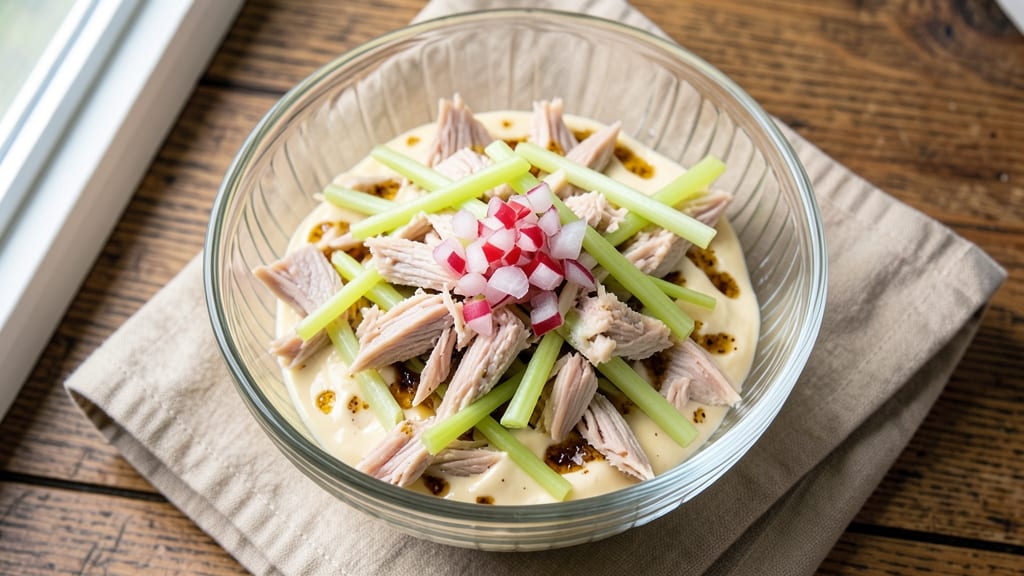
This best tasting tuna salad recipe transforms simple ingredients into a creamy, fluffy masterpiece with a satisfying crunch from crisp celery. The secret lies in perfectly flaked tuna and a mayo base that stays light yet rich—no grainy texture here.
I developed this version after testing dozens of combinations, and it consistently earns rave reviews, even from tuna salad skeptics.
The magic happens in the preparation: high-quality canned tuna (in water or oil) is gently broken down into fine flakes, then folded into a blend of mayo, lemon juice, and Dijon mustard for brightness.
Crisp celery and finely diced red onion add texture and freshness, while fresh herbs like dill or parsley elevate the flavor profile. This isn't your childhood tuna salad—it's restaurant-quality with a homemade touch.
What you'll end up with is a tuna salad that's perfectly balanced: creamy yet light, with a bright acidity from the lemon and a satisfying crunch from the celery. The fluffy texture comes from proper mixing techniques that prevent the salad from becoming dense or oily.
This recipe delivers on every promise—bold flavor, perfect texture, and a presentation that looks as good as it tastes.
Serve it on crisp lettuce wraps, stuffed into pita pockets, or piled high on toasted bread for an elevated open-faced sandwich. For variations, consider adding capers and a touch of smoked paprika for a Greek-inspired twist, or swap in soy sauce and sesame seeds for a Japanese-inspired version.
The possibilities are endless, but the foundation remains the same—fluffy, flavorful, and foolproof.
Ingredients for best tasting tuna salad
These simple yet transformative ingredients create the ultimate tuna salad experience—creamy, fluffy, and packed with bright flavors.
| Ingredient | Amount | Notes |
|---|---|---|
| High-Quality Canned Tuna (in Water) 🐟 | 2 cans | 5 oz each, drained well |
| Mayonnaise 🥫 | ½ cup | Dijon-infused for extra flavor |
| Fresh Lemon Juice 🍋 | 2 tbsp | Freshly squeezed, bright flavor |
| Dijon Mustard 🌶️ | 1 tbsp | For tangy depth |
| Fresh Celery Stalk 🧅 | 2 whole | Finely diced, crisp bite |
| Red Onion 🧅 | ¼ cup | Finely diced, sharp crunch |
| Fresh Dill 🌿 | ¼ cup | Chopped, bright herbal note |
| Fresh Parsley 🌿 | ¼ cup | Chopped, fresh finish |
| Salt 🧂 | ½ tsp | Kosher or sea salt |
| Black Pepper 🌶️ | ¼ tsp | Freshly ground, bold flavor |
| Capers (Optional) 🫒 | 1 tbsp | For briny Greek twist |
| Smoked Paprika (Optional) 🌶️ | ¼ tsp | For smoky depth |
| Extra-Virgin Olive Oil (Optional) 🫒 | 1 tsp | Drizzle for richness |
The tuna makes all the difference here. Tony Chachere's or Wild Planet are my go-tos—they flake beautifully and taste fresher than the budget brands. Grab the ones packed in water, not oil (unless you're adding extra olive oil later). Fresh herbs are non-negotiable for that restaurant-quality taste—Trader Joe's sells pre-washed dill and parsley bundles that save time. Celery should be crisp, not rubbery, so check the core isn't brown or limp. The red onion adds a sharp bite that balances everything out—don't skip it!
No Dijon mustard? Yellow mustard at half the amount works in a pinch, though it lacks that signature tang. Fresh herbs wilt fast, so dried dill at one-third the amount is better than skipping them. The capers and smoked paprika are optional but worth it for that Greek-inspired twist—Trader Joe's has great capers in a squeeze bottle. If you're using tuna in oil, drain it well and pat dry with a paper towel to keep the salad light. For extra fluffiness, fold the tuna gently with a fork instead of mashing it—this keeps it airy and prevents that dense texture.
This salad keeps beautifully for 3-4 days in the fridge, though it's best within 2 days for peak freshness. Store it in an airtight container with plastic wrap pressed right on top to keep the celery crisp. For serving, I like to portion it into small containers with a drizzle of olive oil on top—it makes lunches look as good as they taste. The flavors actually improve after sitting overnight as everything melds together. Leftovers? Perfect for lettuce wraps or toasted bagels the next day.
Why You'll Love This Recipe
- No Chopping Struggle: I swear by this recipe because the celery is pre-cut—just slice it thin, no dice needed. The tuna’s already drained, and the lemon juice brightens everything in seconds. Honestly, it’s the kind of dish where you’re done before the coffee’s even cold.
- Bright & Tangy: That lemon juice isn’t just garnish—it cuts through the richness of the mayo, making each bite fresh and sharp. The Dijon mustard adds a little kick, and the high-quality tuna? It’s the star, flaky and tender without a hint of fishy aftertaste.
- Lunchbox Legend: Between us, this is my go-to for work lunches or kids’ school snacks. Pack it in a jar, and it stays together all day—no soggy bread here. (Yes, even on a Tuesday night when I’m too tired to think.)
- Dollar Stretch: A single can of tuna and a few pantry staples feed four for under $8. The leftovers? Just as good the next day—perfect for throwing on crackers or stuffing into wraps. My wallet and my taste buds thank me.
Step-by-step instructions for the best tasting tuna salad
Here's how to create the fluffiest, most flavorful tuna salad you've ever tasted—simple steps for restaurant-quality results.
Drain and Flake the Tuna Properly
Open the 2 cans of high-quality canned tuna (in water) and drain them thoroughly, shaking each can over the sink to remove as much liquid as possible. Using your hands or a fork, gently break up the tuna into small flakes—don't overwork it, or you'll make the salad dense. I like to use my fingers for this part because it gives me better control over the texture.
The key here is to keep the tuna fluffy. If you use your hands, make sure they're dry so they don't add moisture to the mixture. You want the tuna to stay light and airy, not compacted. Set the flaked tuna aside in a medium bowl while you prepare the other ingredients.
Mix the Mayo, Lemon, and Mustard Base
In a separate bowl, combine the 0.5 cup mayonnaise, 2 tablespoons fresh lemon juice, and 1 tablespoon Dijon mustard. Whisk them together until smooth and fully incorporated. This mixture should be creamy and slightly tangy—the lemon juice brightens the mayo while the Dijon mustard adds depth that regular mustard can't match.
Here's the thing—don't skip the lemon juice. It's what transforms this from basic tuna salad to something special. The acidity cuts through the richness of the mayo and balances the fishy flavor of the tuna. Taste the mixture now and adjust the lemon if needed—you want it tangy but not overpowering.
Finely Dice the Celery and Onion
Cut the 2 whole fresh celery stalks into small dice, about 1/8-inch pieces. The goal is to create a crisp texture that contrasts with the creamy tuna. For the 0.25 cup red onion, make sure to dice it finely as well—you want it to disappear into the salad rather than provide a strong crunch. I like to use a sharp chef's knife for this and work in batches to keep my cuts even.
Don't skip the celery—it's what gives classic tuna salad its signature texture. The slight bitterness of the celery also balances the richness of the mayo. If you're worried about the onion being too strong, soak the diced pieces in ice water for 5 minutes before draining and adding to the salad. This mellows the flavor without losing the crunch.
Combine All Ingredients for Perfect Texture
Add the flaked tuna to the mayo mixture and gently fold it in with a spatula, being careful not to overmix. Then stir in the diced celery, red onion, 0.25 cup fresh dill, and 0.25 cup fresh parsley. Sprinkle with 0.5 teaspoon salt and 0.25 teaspoon black pepper, mixing just until everything is evenly distributed. If using, add the 1 tablespoon capers and 0.25 teaspoon smoked paprika now.
The mixture should look light and fluffy, with the herbs and vegetables evenly dispersed. This is where the magic happens—each bite should have that perfect balance of creamy, crisp, and fresh elements. If the salad seems too thick, add 1 teaspoon extra-virgin olive oil to loosen it. Taste and adjust seasoning if needed, remembering that the flavors will meld as it sits.
Chill and Serve for Maximum Flavor
Cover the bowl and refrigerate the tuna salad for at least 30 minutes before serving. This chilling time allows all the flavors to develop and meld together beautifully. The celery will soften slightly but maintain its crisp bite, and the herbs will release their full aroma. I like to give it up to 2 hours in the fridge if I can—this is when it truly reaches its peak flavor.
When ready to serve, give the salad one final gentle stir. The texture should be light and airy, with no compacted areas. Serve on crusty bread for open-faced sandwiches, with crackers, or as a filling for lettuce wraps. The bright flavors and perfect texture will make this the best tuna salad you've ever tasted—simple ingredients transformed into something truly special.
Pro Tips For Making Best Tasting Tuna Salad
- Drain and Pat Dry: The canned tuna will taste like it’s swimming in water if you skip this step. After draining, wrap the tuna in a clean kitchen towel or paper towels and press firmly—this removes excess moisture that makes the salad soggy later.
- Use Cold Tuna: Take the can out of the fridge right before mixing—cold tuna keeps the mayo from breaking and gives a cleaner, brighter flavor. I learned this the hard way after making a batch where the tuna was too warm, and the texture turned weird.
- Finely Dice the Celery: Skip the food processor—it turns celery into mush. Use a sharp knife to cut it into tiny, almost invisible pieces. This prevents a gritty texture and makes the salad smoother, like my grandmother’s version.
- Add Lemon Last: Mix the mayo, mustard, and tuna first, then stir in the lemon juice just before serving. The acidity breaks down the mayo faster if added early, and the flavor fades if left sitting too long. Freshness matters here.
Serving suggestions for leftovers
Classic Sandwich Style
For a nostalgic yet elevated approach, pile your tuna salad onto toasted sourdough or crusty French bread. I like to spread a thin layer of garlic-herb butter first, then add a generous scoop of salad.
Top with sliced radishes and butter lettuce for crunch and freshness. The sourdough's tang complements the lemon in the salad beautifully. 🥖
Lettuce Wraps
Use butter lettuce or romaine leaves as edible bowls for a low-carb option. Spoon about 2 tablespoons of tuna salad into each leaf, then fold the sides inward before lifting the bottom.
Add a sprinkle of everything bagel seasoning for extra flavor. These make perfect handheld appetizers or light lunches. The crisp lettuce contrasts perfectly with the creamy filling.
Cracker Platter
Arrange your tuna salad on a platter with water crackers, rye crisps, and toasted baguette slices. Add pickled vegetables like cucumbers or red onions for acidity, and marinated olives for briny contrast.
Drizzle with extra-virgin olive oil and a sprinkle of flaky sea salt. This works beautifully for parties or as a sophisticated snack board. 🧂
Greek-Inspired Twist
For a Mediterranean flair, serve your tuna salad in warm pita pockets with crumbled feta cheese, kalamata olives, and a drizzle of lemon-olive oil dressing. Add a sprinkle of oregano and crushed red pepper flakes for heat.
The combination of creamy tuna and salty feta creates an irresistible contrast. This version feels restaurant-worthy with minimal extra effort.
Open-Faced Toast
Toast brioche or challah bread until golden, then spread with a thick layer of tuna salad. Top with avocado slices and a sprinkle of everything bagel seasoning.
The sweetness of the brioche balances the bright lemon in the salad perfectly. Serve immediately for the best texture contrast between the warm toast and cool filling. 🥞
Party Cups
Portion the tuna salad into small glass or ceramic cups for easy serving at gatherings. Top each with a sprig of fresh dill, a drizzle of olive oil, and a pinch of smoked paprika.
Serve with toothpicks for convenience. This presentation looks elegant and makes it easy for guests to grab and eat. The individual servings also help control portions perfectly. ✨
Nutrition facts
Frequently asked questions
Why does your recipe use Dijon mustard instead of regular mustard?
The Dijon mustard adds a subtle depth and complexity that regular mustard can't match. Its finer texture blends seamlessly while providing that signature tangy kick that brightens the creamy mayo base. Plus, it prevents the salad from becoming too grainy—regular mustard can sometimes leave a noticeable texture in tuna salad.
Can I make this tuna salad ahead of time?
This salad actually tastes better after 24 hours in the fridge as the flavors meld together. Store it in an airtight container with plastic wrap pressed directly on the surface to maintain crispness. The celery will soften slightly but still provide that satisfying crunch. Just give it a gentle stir before serving.
What's the best way to keep the celery crisp?
For maximum crunch, dice the celery just before mixing and keep it submerged in ice water for 10 minutes before adding to the salad. This preserves its crispness. Also, store the finished salad with plastic wrap pressed directly on the surface in the fridge. Avoid adding too much liquid (like extra mayo) that could make the celery soggy.
How do I prevent the tuna salad from getting too dense?
Never overmix the ingredients—fold gently with a spatula or fork to maintain airiness. Use your hands to flake the tuna carefully, avoiding compacting it. If the mixture seems too thick, add 1 teaspoon of olive oil or a splash of lemon juice to loosen it. Also, make sure your tuna is well-drained and your hands are dry when handling it.
What are some great alternatives if I don't have fresh dill?
You can substitute with 1/3 cup dried dill (it's more concentrated) or 1 tablespoon dried tarragon for a similar herbal note. For a completely different flavor profile, try 1/4 cup finely chopped chives or 1 tablespoon dried basil. Just remember that dried herbs have more intense flavors, so use sparingly.