
Salads
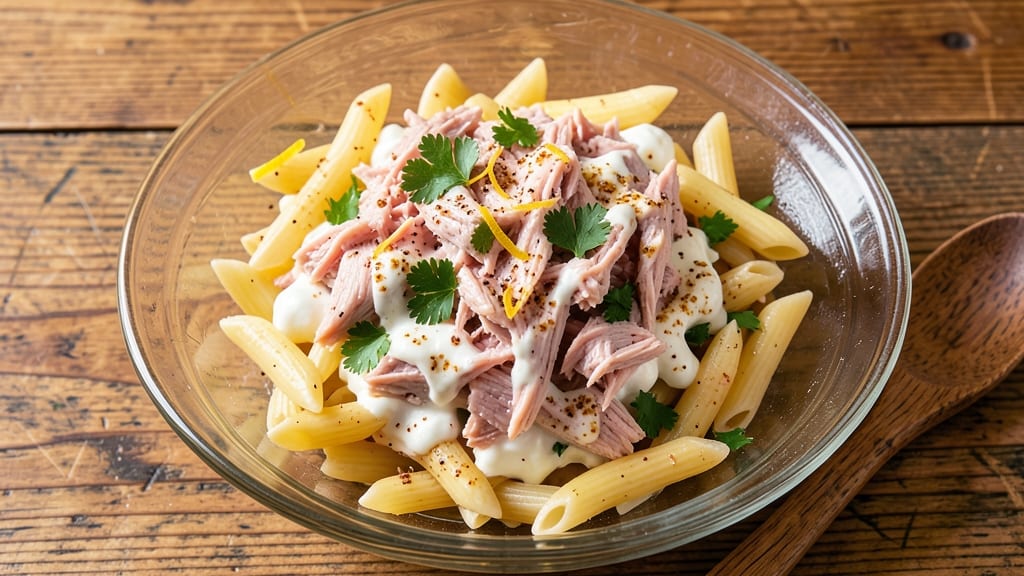
This tuna pasta salad delivers the best tuna pasta salad recipe ever—restaurant-quality boldness without that dreaded fishy aftertaste—something I perfected after testing dozens of versions. The secret lies in balancing fresh ingredients with precise seasoning, creating a dish that's creamy, crunchy, and perfectly tangy.
Every bite offers a satisfying contrast of textures and flavors that keeps people coming back for seconds.
The foundation starts with high-quality canned tuna (drained thoroughly!) paired with al dente pasta that holds up to mixing. A creamy dressing made with mayo, Greek yogurt, and a touch of Dijon mustard creates the perfect base, while lemon juice and pickles cut through any richness.
Fresh herbs like dill and parsley add brightness, while celery and red onion contribute satisfying crunch.
What makes this recipe truly exceptional is how the flavors develop when chilled—each component comes together beautifully after 30 minutes in the fridge. The pasta stays firm, the tuna remains tender, and the dressing absorbs perfectly, creating a salad that's as impressive for lunchboxes as it is for potlucks.
Whether you're packing for work or hosting a summer gathering, this pasta salad delivers professional results with minimal effort. The recipe scales effortlessly, and leftovers keep well for up to 3 days, making it the ultimate make-ahead dish. Let's get started!
Ingredients for best tuna pasta salad recipe ever
This bold tuna pasta salad combines restaurant-quality ingredients for a dish that's creamy, crunchy, and perfectly balanced—no fishy aftertaste in sight!
| Ingredient | Amount | Notes |
|---|---|---|
| High-Quality Canned Tuna in Water 🐟 | 2 cans | Drained thoroughly, flaked by hand |
| Short Pasta (Penne or Fusilli) 🍝 | 12 oz | Cooked al dente, cooled |
| Mayonnaise 🥫 | ½ cup | High-quality, full-fat preferred |
| Plain Greek Yogurt 🍶 | ¼ cup | Full-fat for creaminess |
| Dijon Mustard 🌶️ | 1 tbsp | For tangy depth |
| Fresh Lemon Juice 🍋 | 2 tbsp | Freshly squeezed |
| Dried Dill 🌿 | 1 ½ tsp | Or 1 tbsp fresh chopped |
| Fresh Parsley 🌿 | ¼ cup | Finely chopped, stems removed |
| Celery Stalk 🧅 | 1 whole | Diced fine, crisp texture |
| Red Onion 🧅 | ¼ cup | Finely diced, sharp bite |
| Dill Pickle Relish 🥒 | ¼ cup | For tangy crunch |
| Extra-Virgin Olive Oil 🫒 | 1 tbsp | For richness and finish |
| Kosher Salt 🧂 | ½ tsp | Diamond Crystal preferred |
| Freshly Ground Black Pepper 🌶️ | ¼ tsp | Cracked peppercorns preferred |
The tuna is non-negotiable here—high-quality canned tuna in water is essential. I always grab Wild Planet or Starkist from the grocery store's seafood section, where the cans are kept cold. The flaky texture comes from breaking it up by hand, not mashing it with a fork. For pasta, short shapes like penne or fusilli hold up best to mixing, and al dente cooking is key—it should have a slight bite. Fresh herbs are a game-changer: farmers market basil or Trader Joe's dried dill both work, but fresh parsley adds that bright finish that keeps the salad vibrant.
No Greek yogurt? Sour cream works in a pinch, but the tang isn't quite the same. Short on Dijon? Yellow mustard at half the amount gets you close. The pickles can be swapped for dill pickle juice if you're feeling adventurous—just add 1 tbsp. For extra crunch, crushed potato chips or toasted nuts work surprisingly well. The lemon juice is critical: Meyer lemons add a subtle sweetness, but regular lemons work too. If you're prepping ahead, make the dressing first—it marries better with the other flavors after 30 minutes in the fridge.
This salad tastes even better the next day once everything melds together. Store it in an airtight container in the fridge for up to 3 days, though I find it disappears within 24 hours. For potlucks, I double the batch and pack it in individual mason jars—the pasta stays at the bottom, and it's ready to eat straight from the jar. The dressing keeps separately for 5 days if you want to mix it fresh before serving. Leftovers reheat beautifully in the microwave, though I prefer it cold—it's the ultimate make-ahead dish!
Why You'll Love This Recipe
- No-Fuss Assembly: I swear, this comes together faster than ordering takeout. Drain the pasta, flake the tuna, mix the mayo, yogurt, and mustard—done. No chopping, no waiting for sauces to simmer, just stir and serve.
- Umami Bomb: That high-quality tuna in water? It’s the star. The Greek yogurt lightens it up while the Dijon mustard cuts through the richness—like a bright lemon slice but way more sophisticated. Honestly, the first bite makes you question why you ever ate sad, dry tuna salad before.
- Lunchbox Legend: Between us, this is my go-to for packed lunches or potlucks. The penne holds up perfectly for days, and the flavors only get better as it chills. I’ve taken it to picnics, work meetings, and even my kid’s soccer games—zero complaints, just empty containers.
- Budget Win: Canned tuna and pasta? Check. Mayo and yogurt? Pantry staples. This feeds four for under $8 and still tastes like you slaved over it. Plus, leftovers? They’re my secret weapon for lazy Wednesdays—just reheat (or eat cold) and call it a day.
Step-by-step instructions for the ultimate tuna pasta salad
Here's how to craft a restaurant-worthy tuna pasta salad with vibrant flavors and perfect texture.
👨🍳 Step 1: Cook and Cool the Pasta Perfectly
Bring a large pot of salted water to a rolling boil and add the 12 oz short pasta. Cook until 1 minute before al dente—this ensures it finishes cooking in the dressing without becoming mushy. Drain immediately and rinse under cold water for 30 seconds to stop the cooking process. Transfer to a large mixing bowl and let cool completely—room temperature pasta absorbs the dressing better.
I always taste-test a piece of cooled pasta first. It should be firm but tender, with just a slight bite. If it's still hot, give it 5 more minutes to cool completely. This step prevents a gummy final texture that ruins the salad's integrity.
👨🍳 Step 2: Flake the Tuna and Prepare the Dressing Base
Open the 2 cans high-quality canned tuna in water and drain thoroughly. Using your hands, gently break apart the tuna into fine flakes—this creates a luxurious texture without fishy chunks. In a separate bowl, whisk together the 0.5 cup mayonnaise, 0.25 cup plain Greek yogurt, 1 tbsp Dijon mustard, and 2 tbsp fresh lemon juice until completely smooth. The yogurt lightens the richness while adding tangy depth.
Here's the thing—don't skip the lemon juice. It's the secret weapon against fishy aftertaste while brightening all the other flavors. The dressing should be thick enough to coat the back of a spoon but still pourable. If it's too thick, add 1 tsp water to loosen it slightly.
🥘 Step 3: Combine All Ingredients for Maximum Flavor
Add the flaked tuna to the dressing mixture and stir gently to distribute evenly. Then incorporate the 1.5 tsp dried dill, 0.25 cup finely chopped fresh parsley, 1 whole celery stalk diced fine, and 0.25 cup finely diced red onion. The celery and onion add crunch and sharpness that balance the richness of the tuna and mayo.
Fold in the cooled pasta using a silicone spatula, mixing just until everything is evenly coated. Be careful not to overmix—you want to preserve some texture contrast. Taste and adjust seasoning with 0.5 tsp kosher salt and 0.25 tsp freshly ground black pepper. The salad should be vibrant, tangy, and perfectly balanced between creamy and fresh.
🥘 Step 4: Finish with Tangy Crunch and Olive Oil
Just before serving, stir in the 0.25 cup dill pickle relish and 1 tbsp extra-virgin olive oil. The relish adds that signature tangy crunch that makes this salad stand out, while the olive oil ties everything together with a luxurious finish. Give it one final taste—it should be bright, slightly tangy, and completely free of fishy aftertaste.
This is the moment that matters: let the salad sit for 10 minutes before serving. The flavors will meld beautifully, and the pasta will absorb just enough dressing to create that perfect creamy texture without being soggy. Serve immediately for the best experience!
Pro Tips For Making Best Tuna Pasta Salad Recipe Ever
- Drain. Rinse. Repeat.: The second drain of pasta is where most people cut corners—and it shows. After boiling penne or fusilli, dump them into a colander, let them sit for 10 seconds, then give them a thorough cold-water rinse. This stops the cooking and chills them fast, so they don’t turn to mush when mixed with the mayo-yogurt dressing later. I learned this the hard way when my salad turned into a sad, gluey puddle.
- Drain the tuna. Every last drop.: Skip the "just pat it dry" step—drain the canned tuna in a fine-mesh strainer and press it gently with a spoon to squeeze out excess water. That extra moisture dilutes your dressing and makes the texture gummy. My grandmother swore by this, and she was right: the difference between a decent salad and one that’s actually great often comes down to how dry the tuna is.
- Mix the dressing first.: Combine the mayo, Greek yogurt, Dijon, and a pinch of salt before adding the pasta and tuna. This lets the flavors meld and the mustard emulsify properly—no last-minute lumps or weird textures. I was skeptical until I tried it: the dressing coats the pasta evenly, and the salad stays creamy for hours, not separating like a sad office potluck dish.
- Use room-temp mayo.: Cold mayo from the fridge thickens the dressing and makes it separate when mixed with warm pasta. Let the mayo sit out for 10–15 minutes before using—just enough to soften but not go rancid. Sounds weird, but it works: your salad will stay smooth and cohesive, not turn into a greasy, broken mess. (Yes, even if you’re impatient like me.)
Common mistakes when making perfect results
Overcooking the Pasta
I’ve ruined more pasta salads than I’d admit by cooking it too long—resulting in a mushy, gluey mess. Al dente is non-negotiable: pasta should have a slight bite, not turn to porridge.
Cook it 1 minute less than package instructions, then rinse immediately under cold water for 30 seconds. This stops the cooking process and prevents that dreaded gummy texture that ruins the salad’s integrity. 🥗
Skipping the Lemon Juice
The lemon juice isn’t just for flavor—it’s the secret weapon against fishy aftertaste. Many recipes omit it, but I’ve found that 2 tbsp of fresh lemon juice in the dressing cuts through the richness of the mayo and tuna, brightening the entire dish.
If you’re using canned tuna, this step is even more critical. Trust me, your taste buds will thank you.
Using Low-Quality Tuna
Not all canned tuna is created equal. High-quality brands like Wild Planet or Starkist (from the refrigerated section) make a world of difference. Cheaper, generic brands often have a stronger fishy flavor that’s nearly impossible to mask.
Always opt for tuna in water, not oil, and drain it thoroughly to avoid excess moisture in your salad. Pro tip: Flake the tuna by hand for a luxurious texture instead of mashing it with a fork.
Overmixing the Salad
Once you fold in the pasta, resist the urge to stir like you’re mixing cake batter. Overmixing breaks down the pasta and releases excess starch, turning your creamy salad into a sad, mushy pile.
Instead, use a silicon spatula and mix just until everything is evenly coated. The goal is to preserve texture contrast—creamy pasta, crunchy veggies, and tender tuna should all shine. 💫
Ignoring the Resting Time
This is where many home cooks fall short. After assembling the salad, give it 10-15 minutes to sit before serving. This allows the flavors to meld and the pasta to absorb just enough dressing for that perfect creamy texture without becoming soggy.
I know it’s tempting to dig in immediately, but patience here makes all the difference. The salad will taste even better the next day—flavors deepen as it chills.
Underseasoning the Dressing
Taste as you go! The dressing is the heart of this salad, and it’s easy to underseason it if you’re not careful. After mixing the mayo, yogurt, and mustard, add the lemon juice and then taste before adding salt and pepper.
Adjust gradually—you can always add more, but you can’t take it out. The dressing should be tangy, slightly sweet, and bright, not bland. A pinch of Dijon mustard or an extra splash of lemon juice can elevate it from good to amazing.
Nutrition facts
Frequently asked questions
Can I use oil-packed tuna instead of water-packed?
Water-packed tuna is ideal for this recipe because it's lighter and absorbs flavors better. Oil-packed tuna will make the salad richer, but you'll need to drain it very thoroughly (press between paper towels) to avoid excess oiliness. If using oil-packed, reduce the mayo by 2 tablespoons to balance the fat content.
How do I make this salad without mayo?
Swap the mayo for ½ cup Greek yogurt plus 2 tbsp sour cream for creaminess. Add 1 tbsp lemon juice and 1 tsp Dijon mustard to compensate for the missing richness. The texture will be lighter but still satisfying. For extra protein, stir in ½ cup crumbled feta or ¼ cup chopped hard-boiled eggs.
Can I make this ahead of time?
This salad tastes even better after 24 hours in the fridge! Store in an airtight container with the lid slightly loose to prevent sogginess. The flavors meld beautifully overnight, and the pasta absorbs the dressing perfectly. For potlucks, assemble it 4 hours ahead—just give it a stir before serving.
What's the best pasta shape for this recipe?
Short shapes like penne, fusilli, or rotini work best because they hold up to mixing without breaking. Avoid long pasta (like spaghetti) or delicate shapes (like farfalle) that can get mushy. For extra texture, try whole wheat or chickpea pasta—they add a nice nutty contrast.
How can I make this salad spicier?
Add a kick with ½ tsp cayenne pepper or 1 tbsp hot sauce to the dressing. For smoky depth, stir in 1 tsp smoked paprika with the herbs. If you love heat, fold in 2 tbsp finely diced jalapeño or 1 tbsp chopped chipotle peppers in adobo for a fiery twist.