Sauces & Condiments
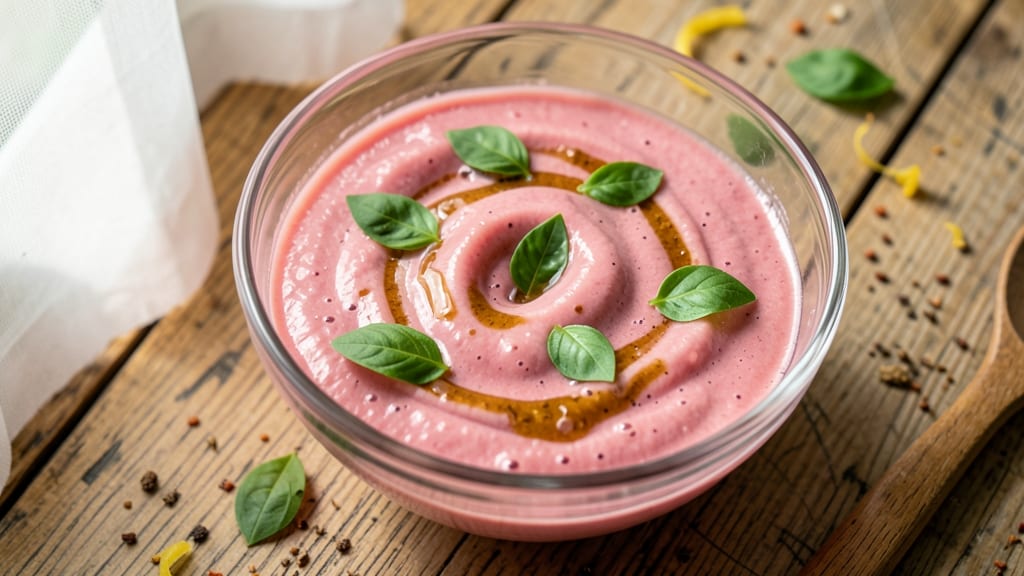
This blush wine salad dressing recipe transforms simple greens into a restaurant-worthy dish with just five ingredients and no mayo. The secret lies in blending blush wine with Dijon mustard and olive oil for a stable, velvety emulsion that coats every leaf perfectly.
I developed this recipe after years of searching for a dressing that could rival my favorite café versions—light, tangy, and with just the right pink hue to elevate any salad.
The dressing starts with a base of blush wine, which adds a subtle sweetness and depth that pairs beautifully with sharp vinegar and herby notes. Dijon mustard acts as the emulsifier, binding the oil and creating that signature silky texture without relying on mayo.
Fresh herbs like basil and tarragon brighten the flavor, while a touch of honey balances the acidity for a dressing that's both sophisticated and approachable.
What you'll end up with is a dressing that's rich enough to stand up to hearty greens like kale or arugula but light enough to complement delicate lettuce mixes. It's also versatile enough to work with grilled chicken, roasted vegetables, or even as a marinade for fish.
The best part? It stays fresh in the fridge for up to a week, making it perfect for meal prep.
For an extra touch of elegance, garnish your salad with edible flowers or toasted nuts. This dressing is the kind of simple yet impressive recipe that makes you feel like a pro—no fancy techniques required. Let's get started!
Ingredients for blush wine salad dressing
Five simple ingredients transform basic greens into a restaurant-worthy salad with velvety pink swirls.
| Ingredient | Amount | Notes |
|---|---|---|
| Blush Wine 🍷 | ½ cup | Dry variety preferred for balance |
| Dijon Mustard 🌶️ | 1 tbsp | High-quality for best flavor |
| Extra-Virgin Olive Oil 🫒 | ½ cup | Light, fruity variety recommended |
| White Wine Vinegar 🍋 | 1 tbsp | Sharp for tangy contrast |
| Honey 🍯 | 1 tsp | Wildflower preferred for depth |
| Fresh Basil Leaves 🌿 | ¼ cup | Packed, stems removed |
| Fresh Tarragon Leaves 🌿 | ⅛ cup | Chopped finely for herby notes |
| Salt 🧂 | ½ tsp | Diamond Crystal preferred |
| Black Pepper 🌶️ | ¼ tsp | Freshly ground for best flavor |
The blush wine is the star here—look for a dry, fruity variety like Pinot Noir or Merlot at Trader Joe's or Whole Foods. Avoid anything too sweet, or the dressing will taste cloying. Dijon mustard is non-negotiable; it's the secret to that perfect emulsion. Maille or Whole Foods 365 are reliable brands. Fresh herbs make all the difference, so grab basil and tarragon from the grocery store's refrigerated section—they should smell vibrant, not wilted. If you can't find tarragon, a pinch of dried thyme works in a pinch.
No blush wine? Substitute with extra dry rosé or even a splash of red wine vinegar—just add a pinch of sugar to balance. Short on Dijon? Whole grain mustard at half the amount works, but the texture won't be as silky. The honey can be swapped for maple syrup if you're avoiding it, though it'll taste slightly different. Olive oil matters—avoid the cheap stuff. A good rule of thumb: if it smells like nothing, it's not worth it. For extra tang, bump the vinegar to 1.5 tablespoons, but start with the recipe as written—it's already perfectly balanced.
This dressing keeps beautifully—up to 1 week in the fridge if stored in a sealed jar with a thin layer of olive oil on top. Shake well before each use, as it'll naturally separate. For meal prep, divide into small containers so you only have to shake what you need. If you make extra, freeze it in ice cube trays for single-serving portions. Garnish with edible flowers or toasted nuts right before serving to keep it looking fresh and elegant.
Why You'll Love This Recipe
- Here’s what sold me: the Dijon mustard gives it a tangy kick, but the honey softens it into something drinkable—like a fancy vinaigrette that doesn’t overpower. Drizzle it on greens, toss it with roasted veggies, and you’ll taste why I keep a bottle of blush wine in my pantry just for this.
- Five-Ingredient Magic: I swear by this—just whisk, taste, adjust. No fancy techniques, no measuring cups stressing me out. That blush wine adds depth instantly, and the honey balances the sharpness of the vinegar in one smooth motion.
- Bright & Balanced: Here’s what sold me: the Dijon mustard gives it a tangy kick, but the honey softens it into something drinkable—like a fancy vinaigrette that doesn’t overpower. Drizzle it on greens, toss it with roasted veggies, and you’ll taste why I keep a bottle of blush wine in my pantry just for this.
- Weeknight Workhorse: Between us, this is my go-to for lazy dinners. It’s the perfect partner for grilled chicken, crusty bread, or even a quick charcuterie board—no last-minute shopping needed. I make a big batch on Sundays, and it lasts me all week without wilting.
Step-by-step instructions for blush wine salad dressing
This velvety dressing comes together in minutes with just a whisk and patience.
Whisk Together the Wet Ingredients
In a medium bowl, combine the 0.5 cup blush wine and 1 tbsp Dijon mustard. I like to use a fork first to break up the mustard completely—this prevents any lumps later. Add the 1 tbsp white wine vinegar and 1 tsp honey, then give it a quick stir with a whisk to blend everything smoothly.
Here's the thing—don't rush this step. The wine needs time to mellow out and integrate with the other liquids. Let it sit for 2-3 minutes while you prep the herbs. This resting period helps the flavors meld before adding the oil, which keeps the dressing from breaking later.
Add the Herbs and Seasonings
Fold in the 0.25 cup fresh basil leaves and 0.125 cup fresh tarragon leaves using a rubber spatula. I always chop the herbs finely first—this ensures they distribute evenly and don't create clumps. Sprinkle in the 0.5 tsp salt and 0.25 tsp black pepper, then whisk everything together until the herbs are completely incorporated.
This is where the magic happens. The tarragon adds a subtle anise note while the basil brings bright freshness. Don't worry if the dressing looks slightly thick at this point—we're about to fix that with the olive oil. The key is to whisk continuously for 30 seconds to break down any herb fibers.
Slowly Incorporate the Olive Oil
With the whisk moving constantly, begin adding the 0.5 cup extra-virgin olive oil in a thin, steady stream. This slow incorporation prevents the dressing from separating. I like to pour it from about 4 inches above the bowl to create a gentle swirl that helps emulsify everything.
Keep whisking for 2-3 minutes after all the oil is added until the dressing thickens slightly and becomes glossy. You'll know it's ready when it coats the back of a spoon smoothly. If it still looks too thin, add 1 more teaspoon of Dijon mustard and whisk again for 30 seconds.
Taste and Adjust the Balance
Give the dressing a taste and adjust the seasoning if needed. If it's too acidic, add ½ teaspoon more honey. If it needs more brightness, add ½ teaspoon more white wine vinegar. For extra depth, you can even add a pinch more salt—this dressing always tastes better the second time around.
Let the dressing sit for 10 minutes before using. This resting period allows all the flavors to fully meld together. The color will deepen to that beautiful blush pink, and the texture will become perfectly silky. Store any leftovers in an airtight jar in the refrigerator for up to 5 days—it keeps well and tastes even better the next day.
Pro Tips For Making Blush Wine Salad Dressing
- Reduce the Wine First: Simmer your blush wine for 2-3 minutes before mixing—it cuts the alcohol bite and deepens the flavor. I learned this the hard way after a dressing tasted sharp and harsh; now I always do this, even if it feels like extra work.
- Whisk Mustard Smooth: Break up Dijon mustard clumps with a fork before adding liquids—nothing ruins a dressing faster than grainy texture. Sounds basic, but I’ve served salads with lumpy dressing more times than I’d admit.
- Balance Vinegar Last: Add white wine vinegar gradually, tasting as you go—too much turns your dressing into a tangy punch. Start with half the recipe’s amount, then adjust; you’re aiming for bright, not sour.
- Sweeten with Honey Slowly: Drizzle honey in thin streams while whisking—it dissolves better and won’t clump like sugar. I used to dump it all in, and the dressing would split; now it’s silky every time.
Creative variations of this recipe
Herb Swap Options
Trade basil and tarragon for chives and dill to create a lighter, more refreshing dressing perfect for seafood salads. Use 0.25 cup chopped chives and 0.125 cup chopped dill—their bright, grassy notes complement the wine beautifully.
For a Mediterranean twist, swap in 0.25 cup chopped parsley and 0.125 cup chopped oregano, which adds earthy depth. Always chop herbs finely to ensure even distribution in the dressing. 🌿
Sweet Variations
Add 1 teaspoon maple syrup instead of honey for a deeper, caramel-like sweetness that pairs wonderfully with spicy dishes. For a fruity twist, stir in 1 tablespoon finely chopped strawberries or raspberries—this works especially well with goat cheese salads.
If you love berries, try 1 teaspoon blackberry jam for a jammy richness that balances the acidity. The key is to adjust the vinegar slightly (reduce to 0.75 tablespoons) to maintain balance. 🍓
Spicy Kick
Incorporate ½ teaspoon red pepper flakes for a subtle heat that enhances the dressing’s complexity. For a smoky touch, add ½ teaspoon smoked paprika—this pairs exceptionally well with grilled meats or roasted vegetables.
If you love bold flavors, mix in 1 teaspoon harissa paste for a North African-inspired twist. Always taste before adding more spice, as the wine’s natural sweetness can mask heat. 🌶️
Creamy Upgrade
For a richer texture, replace 2 tablespoons of olive oil with 2 tablespoons Greek yogurt or sour cream. This creates a velvety, almost ranch-like consistency that works perfectly with hearty greens like kale or spinach.
To keep it stable, add ½ teaspoon xanthan gum when whisking in the oil. The dressing will still hold its blush hue while gaining a creamy mouthfeel. 🥄
Seasonal Adjustments
In summer, boost brightness with 1 teaspoon lemon zest and reduce honey to 0.5 teaspoons—this keeps the dressing light and refreshing. For autumn, add ½ teaspoon cinnamon and ¼ teaspoon nutmeg for a warm, spiced note that pairs with roasted squash or pears.
In winter, swap tarragon for rosemary and increase honey to 1.5 teaspoons for a cozy, aromatic dressing. 🍂
Global Flavors
Transform this dressing into a French-inspired vinaigrette by adding 1 teaspoon Dijon mustard and ½ teaspoon shallot (finely minced). For an Italian twist, stir in 1 teaspoon balsamic glaze and ¼ teaspoon dried thyme.
A Mexican-inspired version works with ½ teaspoon cumin and 1 teaspoon lime juice—perfect for taco salads. Each variation keeps the blush wine base but adapts to global flavor profiles. 🌎
Nutrition facts
Frequently asked questions
Can I make this dressing without wine?
Yes! For a non-alcoholic version, substitute the blush wine with ½ cup dry rosé juice or ½ cup extra-dry sparkling white grape juice. The acidity will still balance the sweetness, though the flavor will be slightly lighter. If you're avoiding alcohol completely, use ½ cup apple cider vinegar mixed with ½ cup water and add ½ teaspoon sugar to compensate.
How do I keep the dressing from separating?
Separation happens when oil and vinegar aren't properly emulsified. Always whisk the oil in slowly while the mixture moves constantly. For extra stability, add ½ teaspoon xanthan gum when whisking in the oil. If separation occurs later, simply shake or whisk vigorously before using. Store-bought dressings often contain stabilizers—this recipe relies on Dijon mustard and proper technique for that velvety texture.
What salads pair best with this dressing?
This dressing shines with arugula, spinach, or mixed greens for a classic salad. It also works beautifully with kale, radicchio, or endive for a bolder flavor. Try it on grilled chicken salads, roasted vegetable bowls, or even as a drizzle for pasta. The blush wine's subtle sweetness complements spicy dishes too—think shrimp or grilled steak salads.
Can I make this dressing ahead of time?
This dressing tastes even better after 24 hours as the flavors meld. Store it in an airtight jar in the fridge for up to 1 week. Before using, shake or whisk vigorously to re-emulsify. For meal prep, divide into small containers so you only shake what you need. If it separates, don't worry—just whisk or shake until smooth again.
Why does my dressing taste too sweet or sour?
The balance comes from the ratio of wine, vinegar, and honey. If it's too sweet, add ½ teaspoon more white wine vinegar and whisk. If it's too sour, add ½ teaspoon more honey or a pinch of sugar. Always taste as you go—adjustments are easier to make before the oil is added. The dressing should have a bright, balanced tang with just a hint of sweetness, like a fine wine itself.