Sauces & Condiments
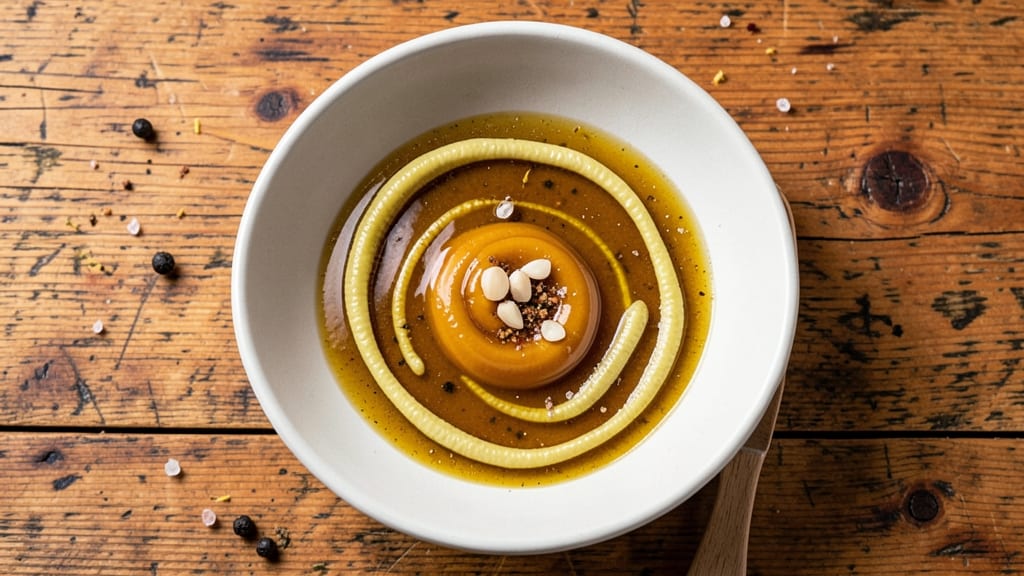
This boiled salad dressing recipe transforms warm dishes into something extraordinary with its velvety, warm oil base that clings beautifully to greens and proteins. The technique—simmering oil with vinegar and spices—creates a dressing that's rich yet balanced, perfect for drizzling over hot salads, grilled vegetables, or even as a marinade.
Unlike traditional emulsified dressings, this method delivers a luxurious texture without the risk of separation.
The secret lies in the ratio of oil to vinegar and the slow simmering process, which infuses every ingredient with depth. You'll need just five simple components—high-quality olive oil, white vinegar, Dijon mustard, garlic, and a touch of sugar—to create a dressing that's both elegant and approachable.
This recipe is foolproof, requiring minimal effort but delivering restaurant-quality results every time.
What sets this dressing apart is its versatility—it works equally well as a warm dipping sauce for crusty bread or as a finishing touch for chilled salads. The warm oil coats ingredients beautifully, enhancing their natural flavors while adding a creamy, velvety contrast.
Once you try it, you'll never go back to store-bought dressings again.
Best of all, this dressing keeps well in the refrigerator for up to a week, making it ideal for meal prep. The flavors only deepen over time, so you can make a batch ahead and enjoy it throughout the week. Let's get started on this game-changing recipe!
Ingredients for boiled salad dressing
Five essential components create this luxurious, velvety dressing that elevates warm dishes to restaurant-quality perfection.
| Ingredient | Amount | Notes |
|---|---|---|
| Extra-Virgin Olive Oil 🫒 | 1 cup | High-quality, fruity variety preferred |
| White Wine Vinegar 🍷 | ¼ cup | Dry, crisp vinegar for balance |
| Dijon Mustard 🍯 | 1 tbsp | Whole grain preferred for texture |
| Garlic Cloves 🧄 | 2 cloves | Freshly minced for aromatic depth |
| Granulated Sugar 🍚 | ½ tsp | Balances acidity subtly |
| Diamond Crystal Kosher Salt 🧂 | ¼ tsp | Enhances flavor without overpowering |
| Freshly Ground Black Pepper 🌶️ | ⅛ tsp | Freshly cracked for optimal flavor |
The extra-virgin olive oil is non-negotiable here—opt for a fruity, high-quality variety with noticeable peppery notes. Trader Joe's or Whole Foods carry excellent options, but any reputable brand with a harvest date within the last year works. The white wine vinegar should be dry and crisp; Bartles & Jaymes or Heinz are reliable choices. Fresh garlic is crucial—roasted garlic won't provide the same aromatic punch, so mince it just before simmering for maximum impact. The Dijon mustard adds depth and texture; Maille is a premium option, but any quality whole-grain mustard will suffice.
No white wine vinegar? Apple cider vinegar works in a pinch, though it adds a slight sweetness. Substitute balsamic vinegar at half the amount for a richer profile, but reduce the sugar to 0.25 tsp to balance. Short on garlic? Garlic powder at one-third the amount is acceptable, though fresh is ideal. The sugar can be swapped for honey or maple syrup, but adjust to taste—granulated sugar dissolves cleanly. For a nutty undertone, replace 0.125 tsp of olive oil with walnut oil. Always taste as you go; the dressing should be smooth, balanced, and just slightly tangy—never harsh or overly sweet.
This dressing maintains its luxurious texture for up to 7 days when stored in an airtight glass jar in the refrigerator. The flavors deepen over time, so make a full batch if possible. To reheat, gently warm in a small saucepan over low heat, stirring constantly—never microwave, as it can separate. For meal prep, portion into small ramekins for easy drizzling. If the dressing thickens upon refrigeration, whisk in 1 tsp of warm water to restore its silky consistency. Freeze for up to 3 months in ice cube trays for single-serving convenience.
Why You'll Love This Recipe
- Five-Ingredient Magic: I swear by this—just oil, vinegar, mustard, garlic, and sugar. That’s it. No fancy emulsifiers or overpriced bottles. The trick? Simmering the garlic until it’s golden but not burnt gives it this depth—like someone aged it in a wine cellar.
- Tangy Kick: Honestly, the white wine vinegar cuts through everything. That sharpness makes it work on grilled chicken and cold pasta salad. Plus, the sugar balances it—no weirdly sour dressing here. It’s bright, not bitter, and somehow always hits the spot.
- Weeknight Workhorse: I keep a jar in the fridge for everything. Toss it with roasted veggies, drizzle on eggs, or use it as a marinade. Even my picky teenage nephew asks for it now. (Yes, even on a Tuesday night.)
- Budget Brightener: A few cloves of garlic and a splash of vinegar cost pennies, but it makes every meal feel special. No need for store-bought dressings—this one’s cheaper, lasts forever, and tastes like you actually cooked it. (Spoiler: You did.)
Step-by-step instructions for creamy boiled dressing
This classic technique transforms simple ingredients into a velvety, cool contrast perfect for warm dishes.
Prepare the Base Ingredients
In a small saucepan, combine the 1 cup extra-virgin olive oil, 0.25 cup white wine vinegar, 0.5 teaspoon granulated sugar, 0.25 teaspoon Diamond Crystal kosher salt, and 0.125 teaspoon freshly ground black pepper. I like to use a whisk to ensure everything is fully incorporated before heating—this prevents separation later.
Place the saucepan over medium-low heat and bring the mixture to a gentle simmer. The key here is patience—you want the oil to heat gradually without splattering. Watch carefully as the mixture begins to shimmer, which signals it's ready for the next step. If you see any bubbles forming, reduce the heat slightly to maintain a slow, even cook.
Incorporate the Mustard and Garlic
Once the base mixture reaches a gentle simmer, remove the saucepan from heat. Add the 1 tablespoon Dijon mustard and whisk vigorously to combine. The mustard will thicken the dressing slightly and add a subtle tang that balances the richness of the oil.
Next, add the 2 minced garlic cloves and stir well. Here's the thing—garlic burns quickly, so don't let it sit in the hot oil. The moment you add it, return the pan to low heat and stir constantly for 30 seconds until you can smell the aromatic depth developing. You're aiming for a fragrant, not overpowering, garlic flavor. If the mixture starts to bubble, reduce the heat to the lowest setting or remove it from heat entirely.
Simmer and Thicken the Dressing
Return the saucepan to medium-low heat and let the dressing simmer gently for 5-7 minutes. You'll notice the mixture begin to thicken as the oil and vinegar emulsify. This is the moment that matters: stir occasionally to prevent any sticking or burning at the bottom of the pan. The dressing should reach a consistency similar to heavy cream—smooth, velvety, and coatable.
To test for doneness, dip a spoon into the mixture and let it cool slightly. If it holds its shape without dripping excessively, it's ready. If it's still too thin, continue simmering for another 1-2 minutes. Your oven might run hot, so start checking at the 5-minute mark. The dressing should be thick enough to cling to greens or drizzle over warm dishes without pooling.
Cool and Finish the Dressing
Once the dressing reaches the desired consistency, remove the saucepan from heat and let it cool for 5 minutes. This cooling period is crucial—it allows the flavors to meld and the texture to set properly. I like to transfer the dressing to a clean jar or bowl while it's still warm but no longer simmering.
Give it one final taste and adjust the seasoning if needed. If it tastes too sharp, add a pinch more of the granulated sugar or a splash of water to balance the acidity. If it needs more depth, a crack of extra black pepper or a pinch of salt can elevate the flavor. The dressing should be creamy, slightly tangy, and perfectly balanced—ready to transform warm dishes into a harmonious meal.
Pro Tips For Making Boiled Salad Dressing
- Whisk Like You Mean It: Boiled dressings need emulsification, and that means aggressive whisking—especially when combining the mustard and vinegar first. I used to half-ass it, and the dressing would break halfway through. Give it 30 seconds of real elbow grease until it’s smooth and thick enough to coat the back of a spoon.
- Toast the Garlic: Raw garlic in this dressing can taste bitter and sharp. Instead, heat the olive oil in a small pan over medium-low until it shimmers, then add the minced cloves. Let them sizzle for 30 seconds until fragrant but not browned. This mellows the flavor and adds depth—trust me, your salad will taste like you put in effort.
- Sugar First, Then Vinegar: Dump the sugar into the warm oil first and let it dissolve completely before adding the vinegar. I learned this the hard way—adding vinegar too soon makes the sugar clump like sand, and you’ll end up with a grainy mess. Stir for 10 seconds until the sugar disappears, then pour in the vinegar.
- Simmer, Don’t Boil: The name “boiled” dressing is misleading—you’re not making pasta water. Bring the mixture to a gentle simmer (tiny bubbles at the edges, no splashing) and cook for exactly 2 minutes. Any longer, and the vinegar will turn harsh; any less, and the flavors won’t meld. Set a timer, and resist the urge to peek.
Troubleshooting perfect results
Oil Separation Fix
If your dressing separates during simmering, immediately whisk in 1 tsp Dijon mustard or 1 tsp cornstarch mixed with 1 tbsp cold water. Return to low heat and stir constantly for 1-2 minutes—this reactivates the emulsion.
For a smoother texture, strain through a fine-mesh sieve to remove any garlic bits or impurities. 💫
Overly Tangy Flavor
Too much white wine vinegar? Balance it by adding ½ tsp honey or ½ tsp maple syrup while warm. For a richer profile, whisk in 1 tsp extra-virgin olive oil to mellow the acidity.
Taste frequently—this dressing should be tangy but not harsh. If using balsamic vinegar, reduce the sugar to ¼ tsp to avoid sweetness overload.
Burnt Garlic Taste
Garlic burns fast! If your dressing tastes bitter, reduce the heat to lowest setting and whisk in 1 tsp lemon juice to cut through the harshness. For a fresh start, make a new batch but add the garlic last and cook for only 15 seconds on low heat.
Freshly minced garlic is non-negotiable—pre-minced or powdered won’t provide the same aromatic depth.
Thickening Too Fast
If your dressing thickens too quickly, whisk in 1 tbsp warm water to restore its silky consistency. For a more controlled simmer, use a heavy-bottomed saucepan to prevent hot spots. Reduce heat to low and stir frequently—this dressing should coat the back of a spoon but still flow smoothly.
If it becomes too thick, reheat gently with 1 tsp water to adjust.
Storage Issues
After refrigerating, if the dressing separates, whisk vigorously to re-emulsify. For long-term storage, keep it in an airtight glass jar and stir before each use. If it develops a skin, simply whisk it back into the dressing—this is normal and doesn’t affect flavor.
Never microwave; reheat gently on the stovetop over low heat to preserve its creamy texture. ❄️
Nutrition facts
Frequently asked questions
Why boil salad dressing instead of making it cold?
Boiling creates a unique velvety texture that cold emulsified dressings can't match. The gentle simmer helps the oil and vinegar blend smoothly, creating a rich, creamy consistency perfect for warm dishes. This method also infuses flavors more deeply, making every drizzle more aromatic and satisfying.
Can I make this dressing without vinegar?
Vinegar is essential for balancing the richness of the oil, but you can substitute with lemon juice or rice vinegar in equal amounts. For a tangier profile, add ½ tsp extra sugar to compensate. The acidity prevents the dressing from tasting overly oily or flat.
How do I adjust the flavor for spicy dishes?
For spicy applications, reduce the garlic to 1 clove and add ½ tsp smoked paprika or a pinch of cayenne while simmering. The warm oil will mellow the heat while enhancing the smoky depth. Taste as you go—this dressing should complement, not overpower, the spice.
Will this dressing work on cold salads?
Yes! The dressing maintains its creamy texture when chilled, making it perfect for cold salads too. Let it cool completely before serving, and its velvety consistency will cling beautifully to greens. For extra freshness, add 1 tbsp chopped herbs (like parsley or chives) just before serving.
Can I use this dressing as a marinade?
This dressing makes an excellent marinade for proteins like chicken or fish. Simmer it for an extra 2 minutes to deepen the flavors, then let it cool completely before using. The warm oil helps tenderize meat while adding a rich, aromatic coating.