Sauces & Condiments
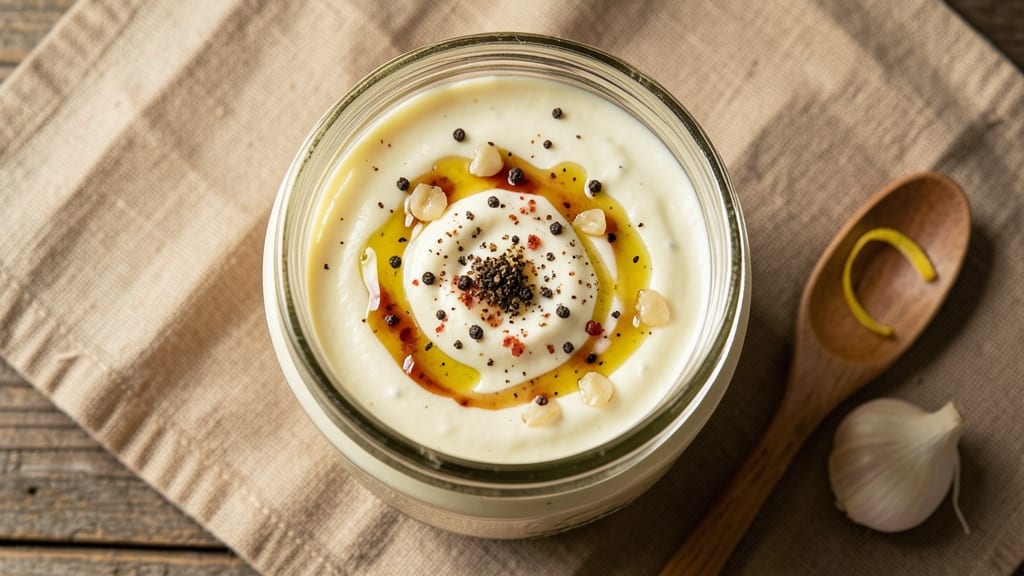
This buttermilk Caesar salad dressing recipe transforms your salads with a tangy, creamy kick that skips the mayo while delivering restaurant-quality flavor.
The secret lies in balancing buttermilk’s tang with sharp Parmesan, anchovies for umami depth, and a touch of Dijon for complexity—all whisked into a velvety emulsion that clings perfectly to greens.
I developed this version after years of testing, ensuring every ingredient plays a role without overpowering the classic Caesar profile.
The beauty of this recipe is its versatility—it works as a bold dressing for romaine, a zesty dip for breadsticks, or even a marinade for grilled chicken. The buttermilk replaces mayo while keeping the dressing rich and stable, thanks to a proper emulsification technique that prevents separation.
You’ll need just 10 minutes of active time, but the flavor develops even more after resting in the fridge.
What sets this dressing apart is its bold tangy kick—the buttermilk cuts through richness, while the Worcestershire and anchovies add layers of savory depth. The garlic and Dijon mustard bring heat, and the Parmesan delivers that signature salty, nutty finish.
Unlike traditional recipes, this version stays fresh for up to 5 days in the fridge, making it perfect for meal prep.
For those avoiding dairy, a vegan version swaps buttermilk for coconut yogurt and uses nutritional yeast instead of Parmesan—just as creamy, just as flavorful. Let’s make dressing that elevates every salad.
Ingredients for buttermilk caesar salad dressing
Nine essential ingredients create a velvety Caesar dressing with buttermilk's tang and Parmesan's depth.
| Ingredient | Amount | Notes |
|---|---|---|
| Buttermilk 🥛 | ½ cup | Full-fat for optimal creaminess |
| Extra-Virgin Olive Oil 🫒 | ½ cup | High-quality, fruity variety |
| Fresh Garlic Cloves 🧄 | 3 cloves | Minced for fine texture |
| Dijon Mustard 🌶️ | 1 tbsp | Mild or medium heat preferred |
| Worcestershire Sauce 🍶 | 1 tbsp | Anchovy-free version if needed |
| Anchovy Fillets 🐟 | 2 whole | Packed in oil, finely chopped |
| Parmesan Cheese 🧀 | ¾ cup | Freshly grated from block |
| Lemon Juice 🍋 | 1 ½ tbsp | Freshly squeezed |
| Salt 🧂 | ½ tsp | Diamond Crystal preferred |
| Black Pepper 🌶️ | ¼ tsp | Freshly ground for best flavor |
The buttermilk and olive oil form the dressing's creamy base, so prioritize quality. Full-fat buttermilk ensures richness without separation, while extra-virgin olive oil from California or Italy adds fruity complexity. Anchovies provide umami depth—opt for high-quality fillets packed in oil, not salt. The Parmesan should be Parmigiano-Reggiano, freshly grated from a block; pre-grated contains anti-caking agents that affect texture. For Worcestershire, Lea & Perrins is standard, but anchovy-free versions work equally well. Garlic should be fresh, never powdered, as its aroma is critical to the dressing's character.
No buttermilk? Substitute with 0.5 cup plain yogurt plus 1 tbsp lemon juice—the tang remains similar. Short on anchovies? Replace with 1 tbsp fish sauce or 0.5 tsp anchovy paste, though texture may differ slightly. The Dijon mustard can be swapped for whole-grain mustard, but it will have a coarser texture. For a dairy-free version, replace buttermilk with 0.5 cup coconut yogurt and Parmesan with 0.75 cup nutritional yeast. Lemon juice can be omitted if you prefer a milder dressing, but the acidity balances the richness. Always taste as you go—adjust salt or lemon to preference.
This dressing emulsifies best when whisked thoroughly, but it continues to develop flavor over 24 hours in the fridge. Store in an airtight jar with a thin layer of olive oil on top to preserve freshness for up to 5 days. For longer storage, freeze in ice cube trays—thaw and whisk before use. The dressing thickens slightly when chilled, so add a splash of water or lemon juice if it becomes too stiff. Use within 3 months of freezing for optimal flavor.
Why You'll Love This Recipe
- No-Fuss Whisking: I swear by this dressing because it’s just three minutes of stirring—no blender, no straining, no stress. The buttermilk and olive oil emulsify like magic when you mix in the garlic and mustard, and honestly? That’s half the battle won.
- Umami Bomb: The Worcestershire and Dijon mustard give it this deep, savory punch that classic Caesar dressings just can’t match. It’s tangy, rich, and has this je ne sais quoi that makes every bite of romaine or grilled chicken taste like a restaurant-worthy meal.
- Weeknight Workhorse: This dressing is my go-to for everything: tossing salads, drizzling over steak, or even mixing into pasta. I keep a jar in the fridge for lazy nights when I need something quick but still feels special—no last-minute shopping required.
- Budget Magic: Fresh garlic and buttermilk are cheap staples, and a little Worcestershire goes a long way. I make double batches because it lasts ages in the fridge, and I end up using it in ways I never expected—like a dip for fries or a marinade. Smart spending, big flavor.
Step-by-step instructions for buttermilk Caesar dressing
This method delivers a rich, tangy dressing with perfect balance—no mayo required.
Mince Garlic and Chop Anchovies
Peel the 3 cloves fresh garlic and finely mince them using a sharp knife or microplane. The goal is a paste-like texture that dissolves completely into the dressing. Transfer to a small bowl and set aside. In the same bowl, add the 2 whole anchovy fillets and chop them into tiny pieces with the garlic—this ensures even distribution of their umami depth throughout the dressing.
Anchovies might seem intimidating, but their salty punch is essential for authentic Caesar flavor. If using anchovy-free Worcestershire, you'll need to compensate with an extra pinch of salt later. Press the garlic and anchovies into the bowl to break them down further, creating a flavorful base for the emulsion.
Whisk Together Wet Ingredients
In a medium bowl, combine the 0.5 cup buttermilk, 0.5 cup extra-virgin olive oil, 1 tbsp Dijon mustard, 1 tbsp Worcestershire sauce, and 1.5 tbsp lemon juice. Whisk vigorously for 1-2 minutes until the mixture becomes slightly thickened and pale in color. The buttermilk will begin to emulsify with the oil, creating a creamy foundation.
This is where the magic happens—the buttermilk's natural acidity helps bind the oil without needing mayo. If the mixture separates at any point, simply whisk harder or add a few drops of water to help the emulsion reform. The lemon juice brightens the flavor while preventing the dressing from becoming too heavy.
Incorporate Cheese and Seasonings
Gradually add the 0.75 cup freshly grated Parmesan cheese to the wet mixture while whisking continuously. The cheese should dissolve completely, creating a smooth, velvety texture. Then, sprinkle in the 0.5 tsp salt and 0.25 tsp black pepper, whisking until fully incorporated. The salt enhances the anchovies' savoriness, while the pepper adds a subtle heat that balances the tang.
For the best results, use a fine grater for the Parmesan—this ensures it melts smoothly rather than creating gritty bits. If the dressing thickens too much, thin it with 1-2 teaspoons of water until it reaches a pourable consistency. The final texture should coat the back of a spoon without being gluey.
Rest and Adjust for Perfection
Let the dressing sit at room temperature for 10-15 minutes before using. This resting period allows the flavors to meld and the emulsion to stabilize. Taste and adjust the seasoning—add a splash of lemon juice if it needs more brightness, or a pinch of salt if the anchovies' flavor is muted.
This dressing keeps well in the refrigerator for up to 5 days, though it's best used within 2-3 days for optimal flavor. Before serving, give it a final whisk to re-emulsify any separation that may have occurred during storage. The result should be a bold, tangy dressing with a perfect balance of richness and acidity—ideal for Caesar salads, crostini, or even as a marinade for grilled chicken.
Pro Tips For Making Buttermilk Caesar Salad Dressing
- Whisk Slow First: Start with the buttermilk and mustard at a gentle pace—aggressive whisking just makes bubbles instead of emulsification. Once those two are truly combined (no streaks), then gradually add the olive oil while whisking steadily. I used to rush this and ended up with a dressing that broke after five minutes.
- Mince Garlic Fine: No, a press isn’t enough—you want a paste, not chunks. Use the flat side of your knife to smash each clove first, then mince it into a fine, almost unrecognizable texture. Raw garlic flavor dominates when it’s visible; this way, it melds smoothly into the dressing without bitterness.
- Temper the Worcestershire: That sauce is potent—add it last after everything else is emulsified, or you’ll risk overpowering the buttermilk’s tang. Start with half the recommended amount, taste, then adjust. I once doubled it by accident and had to salvage the dressing with extra lemon juice.
- Thin with Warm Water: If your dressing is too thick, don’t grab cold water—use lukewarm. It blends in better and won’t shock the buttermilk’s proteins, which can cause separation. A splash (1-2 tablespoons max) is all you’ll need, and it’ll still taste like a proper Caesar.
Best sauces and condiments for this buttermilk caesar salad dressing
Classic Caesar Upgrades
Boost your dressing with 1 tbsp capers for a briny kick that mirrors anchovies but adds texture. I also love adding 1 tsp smoked paprika for depth—it enhances the Parmesan’s nuttiness beautifully.
For extra richness, stir in 1 tbsp crème fraîche at the end, though this makes it slightly heavier. 🌶️
Vegan Caesar Twist
Replace the buttermilk with ½ cup coconut yogurt and swap Parmesan for ½ cup nutritional yeast plus 1 tbsp lemon zest. Use 1 tbsp vegan Worcestershire (like Annie’s) and add 1 tsp white miso paste for umami.
The texture stays creamy, but the flavor profile leans earthier—perfect for plant-based salads. ✨
Herb-Infused Variations
Add 1 tbsp finely chopped fresh parsley or 2 tsp dried tarragon for an herbal note that brightens the dressing. For a Mediterranean twist, blend in ½ tsp dried oregano and 1 tsp olive tapenade—this works surprisingly well with grilled veggies.
Always taste first; herbs can overpower if not balanced. 💫
Spicy Heat Options
For a mild heat, add ½ tsp hot honey or ¼ tsp cayenne at the end. For bold spice, mix in 1 tbsp sriracha or 1 tsp chili crisp—this pairs amazingly with crispy chicken or avocado. Adjust to taste, as heat can intensify after resting. 🔥
Storage Hacks
Store in an airtight jar with a thin layer of olive oil on top to preserve freshness for up to 5 days. For longer storage, freeze in ice cube trays—thaw and whisk before use.
If the dressing thickens after refrigeration, thin with 1 tsp water or lemon juice to restore pourability. ❄️
Unexpected Uses
This dressing isn’t just for salads! Use it as a dip for garlic bread or marinade for grilled shrimp. Toss it with roasted potatoes or drizzle over seared scallops for a bold, tangy finish. The buttermilk base makes it versatile enough to elevate any dish. 💡
Nutrition facts
Frequently asked questions
Why does this recipe use buttermilk instead of mayo?
Buttermilk adds a bright, tangy flavor that traditional Caesar dressings often lack while creating a stable emulsion without heavy creaminess. The acidity in buttermilk helps bind the oil, resulting in a velvety texture that's lighter than mayo-based versions but just as rich. Plus, it's naturally lower in fat!
Can I make this dressing without anchovies?
Yes! For a vegetarian version, replace the anchovies with 1 tbsp fish sauce or 0.5 tsp anchovy paste. If avoiding fish entirely, try 1 tbsp soy sauce plus an extra pinch of salt to mimic the umami depth. The Worcestershire sauce already provides some savory notes, so you may need to adjust seasoning slightly.
How do I fix separated dressing?
Simply whisk vigorously for 1-2 minutes to re-emulsify. If that doesn't work, add 1 tsp water or lemon juice and whisk again. For stubborn separation, blend briefly with an immersion blender. The buttermilk's natural acidity helps prevent future separation, but chilling can sometimes cause temporary thickening.
What's the best way to store leftover dressing?
Transfer to an airtight container and refrigerate for up to 5 days. For longer storage, freeze in ice cube trays—thaw overnight in the fridge and whisk before using. Always store with a thin layer of olive oil on top to preserve freshness and prevent oxidation.
Can I use this dressing on non-salad dishes?
This versatile dressing works as a marinade for grilled chicken, dip for breadsticks, or toss for roasted potatoes. The buttermilk base makes it perfect for adding bold flavor to both cold and warm dishes. Just adjust seasoning slightly if using for cooking—heat can intensify flavors.