Sauces & Condiments
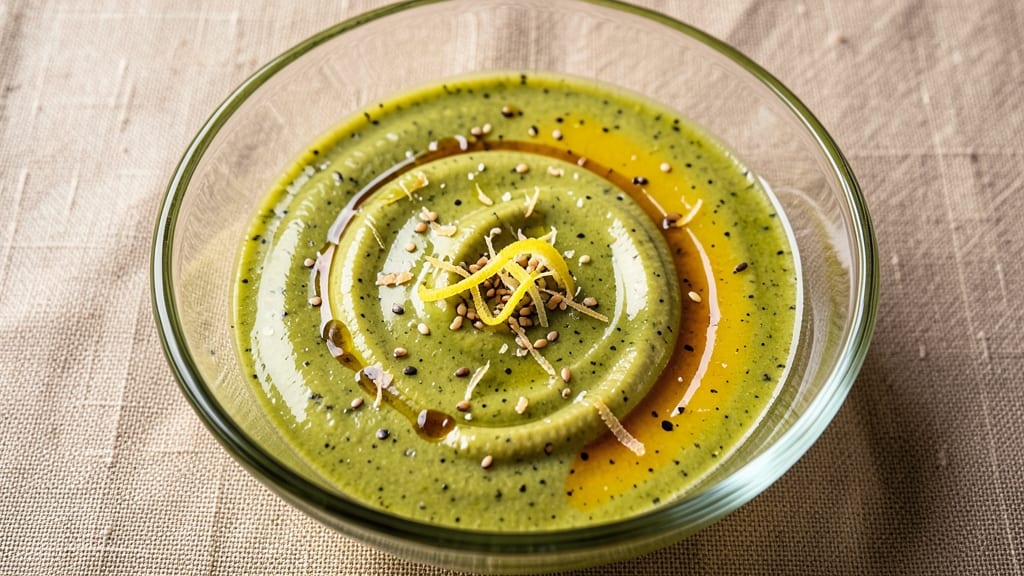
This California salad dressing recipe transforms simple ingredients into a bright, velvety sauce that elevates any greens. The secret lies in avocado oil's smooth texture and citrus notes that cut through rich ingredients like avocado or nuts.
I developed this version after years of testing—it's the perfect balance of tangy, sweet, and herby flavors that stand up to bold salads.
The base combines high-quality olive oil with a blend of citrus juices and vinegar for acidity, while Dijon mustard adds depth without overpowering. Fresh herbs like basil and tarragon bring that signature California freshness, and a touch of honey rounds out the flavor profile.
What makes this dressing truly special is how it clings to greens without making them soggy—a common issue with many commercial dressings.
Once you taste this dressing, you'll never go back to store-bought again. The avocado oil base creates a luxurious mouthfeel, while the citrus and herb combination delivers that signature California brightness. It's perfect for avocado salads, grain bowls, or even as a marinade for grilled vegetables.
The recipe makes about 1 cup, so you can easily double or halve it based on your needs.
Store any leftovers in an airtight container in the refrigerator for up to 1 week, shaking well before each use. The flavors actually improve over time as the ingredients meld together.
This dressing is versatile enough for everyday meals but special enough for dinner parties—proof that simple ingredients can create something extraordinary.
Ingredients for california salad dressing
Bright citrus, velvety oils, and fresh herbs create this signature California dressing.
| Ingredient | Amount | Notes |
|---|---|---|
| Extra-Virgin Olive Oil 🫒 | ½ cup | High quality, fruity variety |
| Avocado Oil 🫒 | ¼ cup | For velvety texture |
| Fresh Lemon Juice 🍋 | ¼ cup | Freshly squeezed preferred |
| Orange Juice 🍊 | ¼ cup | Freshly squeezed preferred |
| Apple Cider Vinegar 🍏 | 1 tbsp | For tangy brightness |
| Dijon Mustard 🥬 | 1 tbsp | Mild or hot variety |
| Raw Honey 🍯 | 1 tbsp | For subtle sweetness |
| Fresh Basil Leaves 🌿 | ¼ cup | Packed, stems removed |
| Fresh Tarragon Leaves 🌿 | 1 tbsp | Finely chopped |
| Salt 🧂 | ½ tsp | Kosher or sea salt |
The oils are the foundation—extra-virgin olive oil brings depth while avocado oil ensures that signature velvety texture. Grab the best you can find: California-made oils at specialty stores or Whole Foods bulk section for premium quality. Fresh citrus is non-negotiable here; organic lemons and oranges from the produce section have more vibrant flavor. The Dijon mustard should be mild—hot varieties can overpower the delicate balance. For the herbs, farmers market basil and tarragon make all the difference, but grocery store fresh works too if handled properly.
No avocado oil? Light olive oil works in a pinch, though the texture won't be quite as luxurious. Substitute orange juice with grapefruit juice at half the amount for a tangier profile. Fresh herbs wilt fast—dried basil at one-third the amount is an option, but fresh is ideal. The honey can be swapped for maple syrup, though it adds a different depth. For vinegar, white wine vinegar works too, but apple cider gives that signature California brightness. Always taste as you go—the dressing should balance sweet, tangy, and herby notes perfectly.
This dressing keeps beautifully in the fridge for 1 week, with flavors actually improving over time. Store in an airtight container, shaking well before each use. For longer storage, freeze in ice cube trays—thaw and shake to recombine. The dressing clings perfectly to greens, so double the batch if you're prepping for a crowd. It's also fantastic as a marinade for grilled vegetables—just thin with a bit more oil if needed.
Why You'll Love This Recipe
- No-Measure Guessing: Honestly, I’ve made this dressing so many times I just eyeball it now. The avocado oil and olive oil blend is forgiving—you can’t mess up the ratio, and the citrus cuts through any over-richness instantly.
- Bright & Tangy: That orange juice and lemon combo? It’s like sunshine in a jar. The apple cider vinegar adds a subtle depth, so it’s not just sweet—it’s layered, with a little bite that makes every bite of salad feel fresh.
- Weeknight Workhorse: I keep a bottle in the fridge for everything—grilled chicken, roasted veggies, even as a marinade. The high smoke point oils mean it won’t turn rancid fast, and the acidity keeps it fresh longer than store-bought.
- Budget Brightener: Between us, this costs half of what fancy dressings do. A splash of orange juice (even from concentrate) and a cheap bottle of vinegar stretch this dressing for weeks—no wasted drizzles here.
Step-by-step instructions for California-style citrus dressing
This bright, velvety dressing comes together in minutes with a perfect balance of citrus and herbal notes.
Whisk Together the Oils and Citrus Base
In a medium bowl, combine the 0.5 cup extra-virgin olive oil and 0.25 cup avocado oil. The avocado oil adds a luxurious, velvety texture that stands up beautifully to the citrus. Whisk vigorously for 30 seconds until the oils are fully emulsified and smooth.
Next, add the 0.25 cup fresh lemon juice and 0.25 cup fresh orange juice. The acidity from these citrus juices will cut through the richness of the oils, creating a balanced foundation. Whisk continuously for another 30 seconds until everything is thoroughly incorporated. The mixture should look uniformly pale yellow with no streaks of oil remaining.
Incorporate the Vinegar, Mustard, and Honey
Pour in the 1 tablespoon apple cider vinegar and whisk immediately to distribute it evenly. This step adds the necessary tang that makes the dressing truly zesty. The vinegar will also help preserve the freshness of the dressing if you plan to store it for a few days.
Add the 1 tablespoon Dijon mustard and whisk until fully dissolved. The mustard acts as a natural emulsifier, helping to bind the oil and water-based ingredients together. Finally, drizzle in the 1 tablespoon raw honey and whisk until the mixture is completely smooth and glossy. The honey adds a subtle sweetness that rounds out the bright citrus flavors.
Fold in the Fresh Herbs and Season
In a separate small bowl, finely chop the 0.25 cup fresh basil leaves and 1 tablespoon fresh tarragon leaves using a sharp knife. Tarragon has a delicate anise-like flavor that pairs beautifully with the citrus, while basil adds a fresh, aromatic note. Once chopped, fold the herbs into the dressing using a rubber spatula, stirring gently to avoid crushing them.
Finally, add the 0.5 teaspoon salt and mix thoroughly. Taste the dressing and adjust the seasoning if needed—you may want to add a touch more honey for sweetness or a splash of lemon juice for extra acidity. The dressing should have a bright, balanced flavor with a perfect harmony of tangy, sweet, and herbal notes.
Let It Rest and Adjust Consistency
Cover the bowl with plastic wrap and let the dressing rest at room temperature for 10-15 minutes. This resting period allows the flavors to meld together and the emulsifiers (mustard and citrus) to fully bind the oils and liquids. After resting, give the dressing one final stir before using.
If the dressing is too thick, thin it with 1-2 tablespoons of water or additional citrus juice, stirring until it reaches your desired consistency. For a smoother texture, you can strain the dressing through a fine-mesh sieve to remove any herb bits. This dressing is best used within 5-7 days when stored in an airtight container in the refrigerator.
Pro Tips For Making California Salad Dressing
- Whisk in stages: Pour half the oils first, then the citrus juices—this keeps the dressing from breaking into greasy clumps. I learned this the hard way after shaking a jar of this recipe and ending up with a sad, split emulsion.
- Use aged vinegar: Skip the cheap apple cider vinegar—opt for something aged 6+ months if you can find it. The tang develops depth, and your dressing won’t taste like it’s competing with a science experiment.
- Strain the citrus: No matter how fresh the lemons and oranges, strain out the pulp before mixing. It’s a pain, but it guarantees a silky texture instead of a chunky, gritty mess that ruins the whole dish.
- Swap oils for heat: If your kitchen’s too hot, replace 1-2 tablespoons of olive oil with avocado oil—it has a higher smoke point and won’t turn rancid sitting in your fridge. (Yes, even if you’re impatient like me.)
Essential equipment for this dish
Whisk Attachment
Invest in a high-quality whisk attachment for your immersion blender or a handheld electric whisk—this makes emulsifying the oils and citrus juices effortless. I swear by the Ninja Foodi immersion blender for dressings like this because it blends the ingredients smoothly without overworking them.
A French whisk works too if you prefer manual mixing, but it requires more elbow grease. 🔥
Measuring Tools
Precision matters with dressings—use a liquid measuring cup for the oils and citrus juices to ensure accurate ratios. A small kitchen scale comes in handy for weighing the honey and mustard if you prefer grams over tablespoons.
I keep a set of stainless steel measuring spoons from OXO within arm's reach for the vinegar, honey, and salt. Never eyeball measurements with dressings!
Herb Mincer
A garlic/herb mincer (like the Microplane) is a game-changer for finely chopping fresh basil and tarragon without a knife. It also works well for zesting citrus if you want to add extra brightness.
If you don’t have one, a sharp chef’s knife and cutting board will do, but take your time to avoid crushing the herbs. 🌿
Glass Storage Jar
Store your dressing in a glass jar with an airtight lid—I love the Le Parfait 16-ounce jars because they’re wide-mouthed and easy to pour from. Glass preserves flavors better than plastic and won’t absorb odors.
Label the jar with the date so you can track freshness. For longer storage, freeze in ice cube trays and transfer to a bag once solid.
Fine-Mesh Sieve
If you prefer a smooth dressing, a fine-mesh sieve (like the OXO Good Grips) strains out herb bits for a silky texture. I keep one in my kitchen specifically for dressings and sauces.
For a rustic look, skip straining—just stir gently to avoid crushing the herbs. The choice depends on whether you want a refined or textured finish. ✨
Nutrition facts
Frequently asked questions
Can I make this dressing without avocado oil?
Yes, but the texture will be slightly less velvety. Replace the 0.25 cup avocado oil with an equal amount of light olive oil or neutral oil like grapeseed. For extra richness, blend in 1 tablespoon tahini—it adds a nutty depth that complements the citrus beautifully. The flavor won't change, but the mouthfeel will differ slightly.
How do I adjust the dressing for spicy salads?
Add a pinch of red pepper flakes or 1/2 teaspoon hot sauce to the finished dressing. For a smoky twist, stir in 1/4 teaspoon smoked paprika while whisking. Always taste first—start with small amounts since spices intensify when mixed with oils. The dressing will still maintain its bright citrus profile while adding heat.
Why did my dressing separate?
Separation usually happens when oil and vinegar aren't properly emulsified. Whisk vigorously for 1-2 minutes to recombine, then add 1 teaspoon Dijon mustard or 1/2 teaspoon xanthan gum to help stabilize. For future batches, ensure all ingredients are at room temperature before mixing. The mustard acts as a natural emulsifier—don't skip it!
Can I use this dressing on non-salad dishes?
This dressing works beautifully as a marinade for grilled chicken or fish, a drizzle for roasted vegetables, or even a sauce for pasta or grain bowls. Thin with a splash of water if needed for easier pouring. The citrus and herb notes pair well with proteins and vegetables, making it a versatile condiment beyond salads.
How do I make this dressing vegan?
Simply replace the raw honey with maple syrup or agave nectar (use the same amount). For a richer texture, ensure your oils are certified vegan. All other ingredients are already plant-based. The dressing will maintain its bright, tangy flavor while being completely cruelty-free.