
Salads
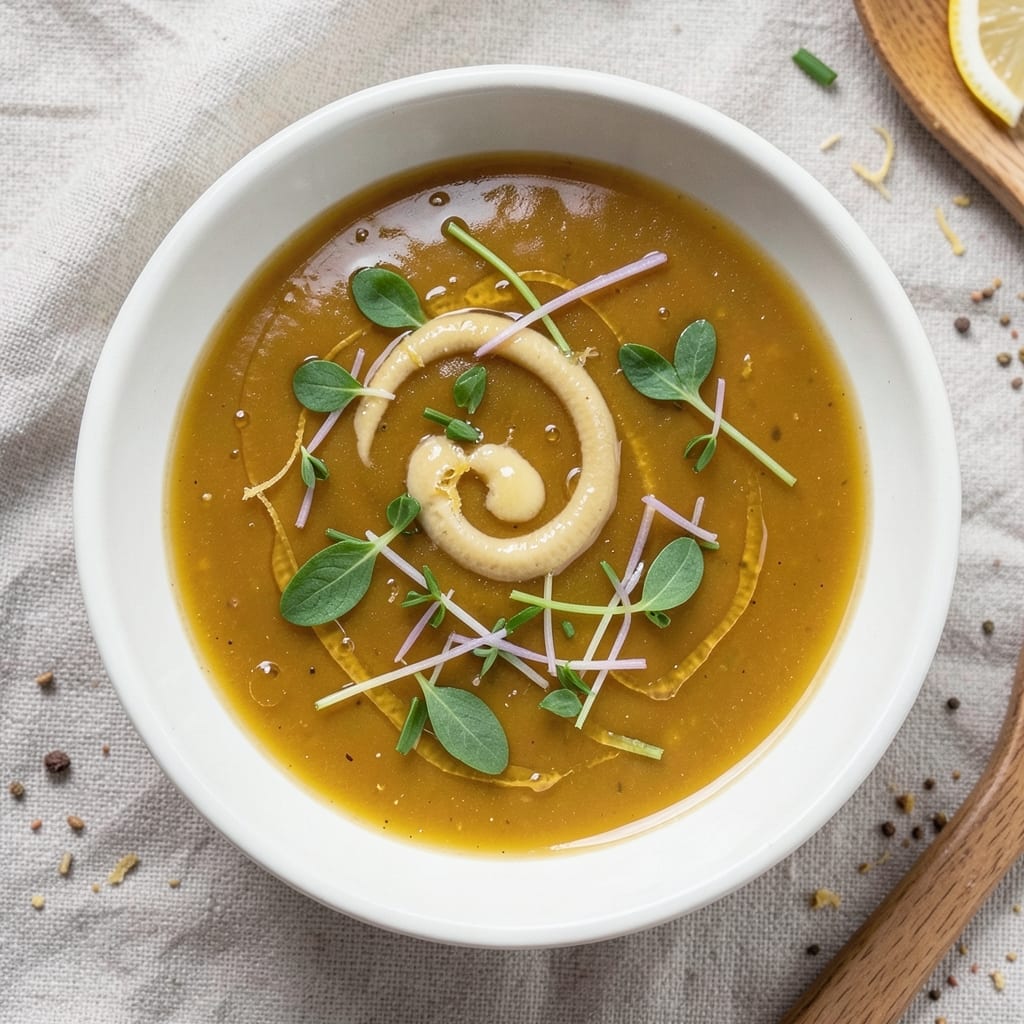
This 24-hour salad dressing recipe transforms basic ingredients into a velvety vinaigrette with depth and balance—no vinegar shock here. The secret lies in letting flavors marry overnight, where acidity mellows, herbs brighten, and emulsification happens naturally without mustard or blenders. I perfected this method after years of testing store-bought dressings that always tasted flat or overly sharp.
The magic happens in the 24-hour rest, where the acid (like lemon juice) softens its bite, oils absorb flavors, and emulsifiers (if used) stabilize the dressing without breaking. You’ll start with simple ingredients—high-quality olive oil, fresh herbs, and a touch of sweetness—but the transformation is what makes this recipe special. No more dressing that separates or tastes harsh; just smooth, complex layers of flavor.
What you’ll end up with is a dressing that’s rich yet bright, with herbs that taste fresher and acidity that’s perfectly balanced—not too tangy, not too mild. The texture becomes silky, clinging to greens and proteins without overwhelming them. This isn’t just a dressing; it’s a flavor multiplier that turns simple salads into restaurant-worthy meals.
Best of all, it’s foolproof—no fancy equipment, no complicated steps, just time and patience. Whether you’re prepping for a week of lunches or dressing up a dinner salad, this method delivers professional results at home. Let’s make dressing that actually tastes like it belongs in your kitchen.
Ingredients for 24 hour salad dressing
High-quality olive oil, bright acids, and aromatic herbs create a dressing that evolves into restaurant-worthy depth.
| Ingredient | Amount | Notes |
|---|---|---|
| Extra-Virgin Olive Oil 🫒 | ¾ cup | High-quality, fruity, cold-pressed |
| Fresh Lemon Juice 🍋 | ⅓ cup | Freshly squeezed, no pulp |
| Dijon Mustard 🥫 | 1 tbsp | Mild or strong, not spicy |
| Honey 🍯 | 1 ½ tbsp | Raw or grade A, for balance |
| Fresh Tarragon Leaves 🌿 | ¼ cup | Finely chopped, vibrant green |
| Fresh Chives 🌱 | 2 tbsp | Finely chopped, mild onion flavor |
| Shallots 🧅 | 2 whole | Minced, or substitute red onion |
| Diamond Crystal Kosher Salt 🧂 | ½ tsp | Fine grain, for seasoning |
| Freshly Ground Black Pepper 🌶️ | ¼ tsp | Freshly cracked, for depth |
The olive oil is non-negotiable—look for extra-virgin with a fruity, peppery finish. California Olive Ranch or Bertolli are reliable choices, but any high-end brand works. Fresh lemon juice is critical; bottled lacks the brightness. Shallots add complexity—substitute red onion if unavailable, but minced finely for smoothness. Tarragon and chives should be bright green and fragrant—wilted herbs ruin the dressing. Store fresh herbs wrapped in damp paper towels until use.
No Dijon mustard? Whisk together 1 tsp apple cider vinegar with 1 tsp water as a substitute, though texture will differ slightly. Honey can be swapped for maple syrup or agave nectar, but honey’s floral notes enhance the dressing’s depth. For a sharper acid profile, increase lemon juice by 1 tbsp. If you’re sensitive to mustard’s tang, reduce to 0.5 tbsp. The dressing’s balance relies on these ratios—adjust gradually. Freshly ground black pepper is essential; pre-ground lacks potency.
Combine all ingredients in a clean, airtight jar and refrigerate for 24 hours. The dressing stabilizes and deepens in flavor during this time. Shake vigorously before each use. Keeps for up to 2 weeks in the fridge, though herbs may wilt after 1 week. For longer storage, transfer to a sterilized bottle and preserve in the refrigerator. The texture will remain silky if stored properly, with no separation.
Why You'll Love This Recipe
- Five-Ingredient Magic: I swear by this combo—just oil, lemon, mustard, honey, and tarragon. No fancy tools, no stress, just a jar and a whisk. Honestly, it’s the kind of dressing I make when I’m too tired to think.
- Tarragon Kiss: That fresh tarragon? It’s the star. Bright, anise-like, and just a pinch makes the whole thing sing. Between us, I’ll often add extra because the flavor deepens overnight—like a secret upgrade.
- Meal Prep MVP: This dressing gets better as it sits, so I make a big batch on Sundays. Toss it with greens for breakfast, drizzle over grilled fish for dinner, or even use it as a marinade. My lunchbox never looks the same twice.
- No-Waste Budget Win: Extra-virgin olive oil and lemon juice last forever, and a little honey stretches miles. I’ve made this for years, and the cost per serving? Almost nothing. Plus, tarragon grows like a weed if you have a windowsill.
Step-by-step instructions for 24-Hour salad dressing
This method transforms simple ingredients into a velvety, balanced dressing with depth and complexity.
Combine Wet Ingredients for Emulsification
In a medium bowl, whisk together the 0.75 cup extra-virgin olive oil with the 0.33 cup fresh lemon juice until fully incorporated. The oil should break into tiny droplets suspended in the citrus liquid—this is the foundation of your emulsion. I use a small whisk for precision, ensuring no oil pools on the surface.
Next, add the 1 tbsp Dijon mustard and 1.5 tbsp honey, whisking continuously for 2-3 minutes until the mixture thickens slightly and becomes homogeneous. The mustard acts as an emulsifier, while the honey balances the acidity and adds subtle sweetness. The dressing should now have a smooth, pourable consistency with no visible separation.
Incorporate Aromatics and Herbs
Add the 2 minced shallots to the dressing and whisk vigorously for 1 minute to distribute their flavor evenly. Shallots provide a delicate onion sweetness that rounds out the bright citrus. Let them infuse for 5 minutes at room temperature while you prepare the remaining ingredients.
In a separate small bowl, combine the 0.25 cup finely chopped fresh tarragon leaves with the 2 tbsp finely chopped fresh chives. These herbs contribute an aromatic complexity that elevates the dressing from simple to sophisticated. Fold this herb mixture into the dressing using a silicone spatula, ensuring even distribution throughout the oil emulsion.
Season and Rest for Flavor Development
Add the 0.5 tsp Diamond Crystal kosher salt and 0.25 tsp freshly ground black pepper, whisking until fully dissolved. Taste the dressing immediately—it will be bright and acidic at this stage. This initial flavor profile is important because the dressing will mellow and deepen during the resting period.
Transfer the dressing to a clean, airtight jar or container. Seal tightly and refrigerate for 24 hours to allow the flavors to meld and mature. The acidity will mellow, the herbs will release their oils, and the emulsion will stabilize. I find that the first 12 hours develop the primary flavors, while the final 12 hours refine and harmonize them.
Final Adjustments Before Serving
After the 24-hour rest, remove the dressing from the refrigerator and give it a gentle stir. The flavors should now be balanced—bright citrus notes softened by the sweet honey, with herbal complexity from the tarragon and chives. Taste again and make any final adjustments: add a splash of water if too thick, or a pinch more salt if needed.
This dressing should coat the back of a spoon with a silky texture, neither too thick nor too thin. The perfect emulsion will cling to greens without overwhelming them, enhancing their natural flavors rather than competing. Use immediately or store in the refrigerator for up to 1 week, shaking gently before each use to redistribute the herbs.
Pro Tips For Making 24 Hour Salad Dressing
- STIR BEFORE STORING: The first 30 seconds of shaking your dressing matter more than you think. After mixing, give it a solid 10-second stir before pouring into the jar—this breaks up any oil pockets that’ll separate overnight. I learned this the hard way when my first batch looked perfect but turned into a greasy mess after 24 hours.
- USE ROOM-TEMP HONEY: Cold honey from the fridge thickens like syrup and won’t blend smoothly into the dressing. Let that jar sit out for 10 minutes before measuring—just enough time to soften it up. Your future salads will thank you when the dressing emulsifies like a dream instead of clumping weirdly.
- MEASURE LEMON JUICE AFTER SQUEEZING: Fresh lemon juice loses volume fast, and cutting corners here means a dressing that’s either too sharp or too thin. Squeeze your lemons, let the juice settle for 2 minutes, then measure—you’ll need about 1/4 cup less than you think. (Yes, even if you’re impatient like me.)
- ADD TARRAGON LAST, THEN REST: Chop those tarragon leaves fine—too big, and they’ll float like confetti. Tuck them in after everything else, then give the dressing a quick shake. Let it sit for 5 minutes before using; this lets the flavors meld without the oil and lemon fighting each other. (Your salad’s flavor will be noticeably brighter if you skip this step, but trust me on the wait.)
Essential equipment for perfect results
Basic Mixing Tools
You don’t need fancy gadgets—just a few essentials. A small whisk (like the OXO Good Grips) is perfect for emulsifying the oil and acid. I’ve used mine for years, and it’s still my go-to. A silicone spatula (I recommend Epicurean) helps fold in herbs without scratching your bowl. For measuring, a liquid measuring cup with clear markings ensures precision with the olive oil and lemon juice. 🫒
Storage Containers
An airtight glass jar is your best friend for the 24-hour rest. I use Le Parfait 16-ounce jars—they’re sturdy, non-reactive, and fit perfectly in my fridge door. If you prefer a bottle, a dark glass squeeze bottle (like Weck) preserves freshness longer and makes drizzling effortless. Avoid plastic, as it can absorb odors and flavors over time.
Knives and Cutting Tools
Sharp knives are non-negotiable for herbs and shallots. A 6-inch chef’s knife (I love Mercer Culinary) and a pair of kitchen shears for chives make prep a breeze. For shallots, a microplane (like BaronTools) is ideal—it minces them finely without bitterness. If you’re using tarragon, a herb scissors helps keep the stems intact for easier handling. 🌿
Optional Emulsifiers
While Dijon mustard works perfectly, you might experiment with aquafaba (chickpea brine) for a vegan option or xanthan gum (a pinch) for extra stability. I’ve also used 1 tsp ground flaxseed mixed with 3 tbsp water as a binder. These aren’t required, but they’re handy for dietary tweaks or if you’re making a larger batch where separation is a concern.
Temperature Control
Keep your ingredients at room temperature before mixing—cold oil and citrus can make emulsification harder. If your kitchen runs cold, let the olive oil sit out for 10-15 minutes before measuring. The herbs should also be fresh and dry; pat them with a paper towel to remove excess moisture. This small step makes a big difference in texture and flavor development. ❄️
Nutrition facts
Frequently asked questions
Why does this dressing need 24 hours?
The 24-hour rest is what transforms a basic vinaigrette into something extraordinary. During this time, the acidity mellows, herbs release their essential oils, and the emulsion stabilizes naturally. The honey and shallots develop deeper sweetness while the tarragon's anise notes become more pronounced. Skipping this step means you'll miss the complex, layered flavor that makes this dressing restaurant-worthy.
Can I make this dressing without Dijon mustard?
Yes! For a mustard-free version, whisk together 1 tsp apple cider vinegar with 1 tsp water as an emulsifier substitute. The texture will be slightly thinner but still delicious. For extra stability, add ½ tsp ground flaxseed mixed with 1 tbsp water (let it sit for 5 minutes to thicken). The dressing will still benefit from the 24-hour rest for optimal flavor development.
How do I fix a dressing that separated?
Give it a good shake and whisk vigorously for 2-3 minutes to re-emulsify. If it's still separating, add 1 tsp Dijon mustard or ½ tsp xanthan gum and whisk again. For a quick fix, place the jar in a bowl of warm water for 10 minutes to gently warm the oil, then whisk. The 24-hour rest should prevent future separation, but this trick works in a pinch.
What herbs can I substitute for tarragon and chives?
For tarragon, try fennel fronds or basil (1:1 ratio) for a sweet, anise-like flavor. Chives can be swapped with green onion tops or dill. If you prefer a more robust flavor, add ½ tsp dried thyme or oregano along with your fresh herbs. Always use fresh herbs for the best results—they infuse flavor more effectively during the 24-hour rest.
How long will this dressing keep in the fridge?
This dressing stays fresh for up to 2 weeks when stored properly in an airtight glass container. The herbs will start to wilt after about 1 week, but the flavor remains excellent. For longer storage, transfer to a sterilized bottle and keep refrigerated. The texture may thicken slightly when cold—just give it a gentle shake before using to redistribute the ingredients.