
Salads
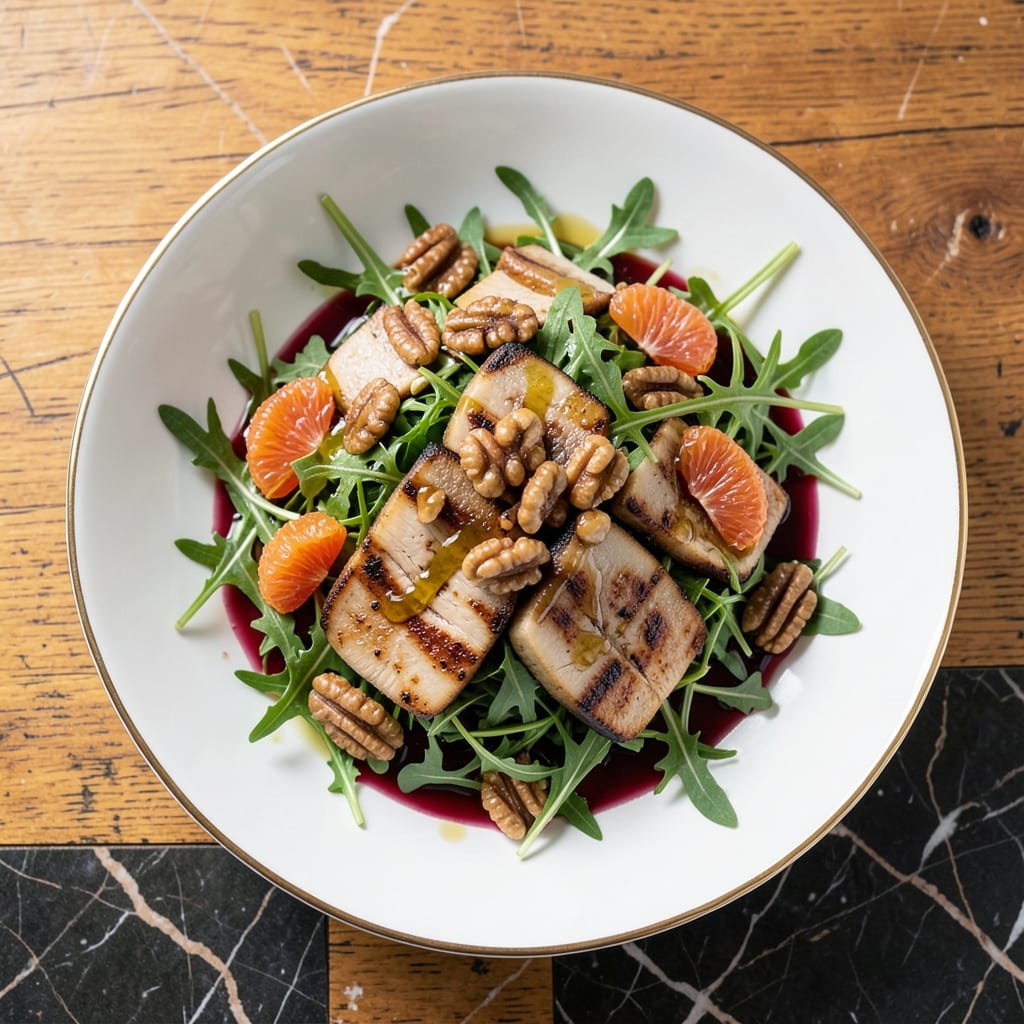
This abalone salad recipe transforms delicate seafood into a showstopping dish with tender, silky abalone and a bright citrus-kissed crunch. The secret lies in perfectly searing the abalone to maintain its natural sweetness while creating a crisp, golden exterior that contrasts beautifully with the fresh, zesty dressing. I developed this recipe after discovering how abalone's unique texture—firm yet tender—pairs effortlessly with citrus and toasted nuts, elevating a simple salad into something restaurant-worthy.
The foundation of this dish is abalone prepared just right: thinly sliced and seared for exactly 2 minutes per side in a hot pan with a touch of oil. This method ensures the abalone remains tender inside while developing a subtle caramelization that adds depth to every bite. The salad itself balances the richness of the abalone with a mix of arugula, blood orange segments, and candied pecans, creating a harmony of textures and flavors that keep each component distinct yet cohesive.
What makes this salad truly special is the citrus-kissed dressing, a blend of blood orange juice, olive oil, and a hint of honey that brightens the dish without overpowering the abalone's natural sweetness. The result is a salad that's as visually stunning as it is delicious—golden abalone slices resting atop vibrant greens, dotted with jewel-toned citrus and crunchy nuts. It's the kind of dish that feels indulgent yet fresh, perfect for impressing guests or treating yourself to a luxurious meal at home.
This recipe works equally well as a light main course or an elegant appetizer, and the components can be prepped ahead of time for effortless assembly. Whether you're serving it for a dinner party or a special occasion, the combination of silky abalone, citrusy freshness, and nutty crunch ensures every bite is memorable. Let's bring this dish to life with step-by-step instructions that guarantee perfect results.
Ingredients for abalone salad
Silky abalone, vibrant citrus, and nutty crunch—this elegant salad balances luxury with freshness effortlessly.
| Ingredient | Amount | Notes |
|---|---|---|
| Fresh Abalone 🐚 | 12 oz | Thinly sliced (1/8-inch thick), skin removed |
| Baby Arugula 🌿 | 6 cups | Organic preferred for vibrant flavor |
| Blood Orange Segments 🍊 | 1 cup | Freshly segmented, seeds removed |
| Candied Pecans 🥜 | ½ cup | Toasted and lightly sweetened |
| Extra-Virgin Olive Oil 🫒 | ½ cup | High-quality, fruity variety |
| Blood Orange Juice 🍊 | ¼ cup | Freshly squeezed, no pulp |
| Honey 🍯 | 1 tbsp | Wildflower preferred for floral notes |
| Fresh Thyme Leaves 🌿 | ¼ cup | Finely chopped, stems removed |
| Flaky Sea Salt 🧂 | 1 tsp | Diamond Crystal preferred |
| Freshly Ground Black Pepper 🌶️ | ¼ tsp | Cracked peppercorns preferred |
| Avocado Oil 🫒 | 1 tbsp | For searing abalone |
| Lemon Zest 🍋 | 1 tsp | From organic lemon |
The abalone is the star, so source it from a trusted seafood purveyor like Whole Foods or your local fishmonger. Look for slices that are plump and slightly translucent, not dried out or discolored. If pre-sliced isn't available, ask for it to be cut 1/8-inch thick—this ensures perfect tenderness. The blood oranges should be firm with a deep ruby hue; avoid any with soft spots. For the candied pecans, Trader Joe's or Costco often carry pre-made versions, but homemade is worth the effort—toss pecans with maple syrup and bake until golden. The olive oil should be cold-pressed and unfiltered for optimal flavor.
No blood oranges? Substitute with a mix of regular orange and grapefruit juice, though the color won't be as vibrant. Running short on abalone? Seared scallops or sliced heirloom carrots add a similar texture contrast. For the dressing, if honey isn't available, agave nectar works in a 1:1 ratio, though it lacks the floral depth. The thyme can be swapped for fresh basil at double the amount, but it will alter the aromatic profile. If candied pecans aren't an option, toasted walnuts or almonds provide a comparable crunch. Always taste the dressing before tossing—adjust sweetness or acidity as needed.
Store the abalone in the coldest part of your fridge, wrapped in damp paper towels, and use within 2 days for peak texture. The dressing keeps for 5 days in an airtight container, though it's best used within 3 days for maximum freshness. Assemble the salad just before serving to maintain crispness—arugula wilts quickly once dressed. The candied pecans stay fresh for 1 week in a sealed container, making them ideal for prepping ahead. For a restaurant-worthy presentation, arrange the abalone slices in a circular pattern on the plate, fanning them slightly to highlight their golden sear.
Why You'll Love This Recipe
- No-Cook Magic: I swear by this—just slice the abalone (if pre-cooked or marinated), toss in the arugula, and let the blood oranges and pecans do their thing. Zero heat, zero fuss, just vibrant, restaurant-worthy bites in 10 minutes.
- Sweet-Savory Balance: That blood orange tang cuts through the abalone’s richness while the candied pecans add crunch—like a citrusy hug for your taste buds. Honestly, the contrast is what makes it ridiculously good.
- Weeknight to Party: Pack it for lunch, serve it at a dinner party, or bring it to a potluck—it’s equally at home on a simple plate or a fancy spread. The arugula stays crisp, the abalone stays tender, and no one will guess it’s this unfussy.
- Leftovers? Even Better: The flavors deepen overnight, and the pecans soften just enough to make it even more addictive. I’ll be real: I’ve eaten this salad cold three days in a row, and it’s still my go-to when I’m too tired to cook.
Step-by-step instructions for silky abalone salad
Transform delicate abalone into a restaurant-worthy salad with vibrant citrus and nutty crunch.
Sear the Abalone for Maximum Tenderness
Heat a heavy skillet over medium-high heat until a drop of water sizzles instantly. Add 1 tablespoon avocado oil and swirl to coat evenly. Working in batches if needed, add the 12 ounces of fresh abalone slices, skin-side down. Sear for 1-2 minutes per side until the edges turn opaque and slightly golden—this indicates perfect doneness.
Real talk: abalone cooks fast and loses tenderness if overworked. You'll know it's ready when the flesh becomes firm to the touch but still glistens slightly. Transfer the seared abalone to a plate and tent loosely with foil to keep warm. Reserve any pan juices—they're packed with flavor.
Create the Citrus-Thyme Dressing
In a medium bowl, whisk together the ½ cup extra-virgin olive oil, ¼ cup blood orange juice, 1 tablespoon honey, and 1 teaspoon lemon zest until fully emulsified. Add the ¼ cup finely chopped fresh thyme leaves and ½ teaspoon flaky sea salt. Stir in the ¼ teaspoon freshly ground black pepper last—this preserves its aromatic oils.
The dressing should look silky and slightly thickened from the honey. Taste and adjust seasoning if needed—blood oranges vary in sweetness. Here's the thing: the thyme should be noticeable but not overpowering. If the dressing separates, whisk vigorously for 30 seconds to re-emulsify.
Assemble the Salad with Perfect Texture Balance
In a large bowl, gently toss the 6 cups baby arugula with ½ of the dressing (about 2 tablespoons). Add the 1 cup blood orange segments and the seared abalone slices. Fold everything together just until combined—you want the arugula to retain its natural curl and the abalone to stay intact.
This is where the magic happens: the citrus brightens the abalone's natural sweetness while the arugula's peppery bite cuts through the richness. Don't over-toss or you'll bruise the delicate greens. The abalone should be evenly distributed but still visible as the star component.
Finish with Crunch and Garnish
Drizzle the remaining ½ of the dressing over the salad and gently toss once more. Sprinkle the ½ cup candied pecans evenly over the top. Here's the professional touch: press down lightly on the pecans to ensure they make contact with the abalone and greens for maximum flavor transfer.
Finish with additional ½ teaspoon flaky sea salt and a final crack of black pepper. The candied pecans should add both texture and subtle sweetness that complements the blood orange's tartness. Serve immediately while the abalone is still warm from searing—this ensures the perfect balance of temperatures in each bite.
Pro Tips For Making Abalone Salad
- Sear Abalone First: Hit the abalone with a quick sear in a screaming-hot pan—just 30 seconds per side—before slicing. This locks in juices and adds depth to the flavor that raw abalone alone can’t match. (Yes, even if you’re serving it raw later, this step makes all the difference.) ---
- Dry the Arugula: Toss the baby arugula with a paper towel and squeeze out every last drop of moisture. Wet greens dilute the dressing and make the salad soggy. Trust me, your blood orange segments will thank you for the extra space to shine. ---
- Candied Pecans Early: Make the candied pecans the night before and store them in an airtight container. The sugar will fully crystallize, giving them that perfect glassy crunch instead of a sticky mess. (And you won’t be scrambling last-minute.) ---
- Toss Dressing Last: Hold off on the olive oil and citrus dressing until you’re ready to serve. Arugula wilts fast, and the blood orange segments lose their brightness if left sitting in dressing. A quick toss right before plating keeps everything vibrant and fresh.
Essential equipment for great abalone salad
Heavy-Duty Skillet
Start with a cast iron skillet like the Lodge 10.25-inch—its dense material retains heat perfectly for searing abalone without hot spots. I swear by this pan for delicate seafood because it creates an even, golden crust while keeping the interior silky. Preheat it over medium-high heat until it's screaming hot before adding oil. If you don't own cast iron, a stainless steel skillet like All-Clad Stainless works too, but monitor heat more closely. 🔥
High-Quality Oil
Use avocado oil for searing—its high smoke point (520°F) prevents burning while adding a neutral, buttery flavor. I recommend Chosen Foods Avocado Oil for its purity. Avoid olive oil here; its lower smoke point (375°F) can create bitter flavors. For the dressing, stick with extra-virgin olive oil—look for California Olive Ranch for a fruity, peppery profile that pairs beautifully with citrus. 🫒
Precision Tools
A sharp chef's knife is non-negotiable for slicing abalone to 1/8-inch thickness. My go-to is the Wüsthof Ikon—it glides through seafood like butter. For blood oranges, a small paring knife works best to avoid tearing the segments. Don't skip the microplane for lemon zest; it yields fine, aromatic strips that brighten the dressing without overpowering. 🍊
Temperature Control
Invest in a thermometer—I use the Thermoworks Thermapen ONE—to monitor both the skillet and abalone's internal temperature. The abalone should reach 145°F at its thickest point. For the dressing, a small whisk or immersion blender ensures a silky emulsion. If you're nervous about timing, practice with calamari first—it's a great abalone substitute for mastering searing techniques. 🌡️
Presentation Plates
Serve on white stoneware plates like Le Creuset's Signature Collection to let the abalone's golden sear shine. The contrast with the vibrant citrus and dark greens creates a stunning visual. For extra flair, use a ring mold (like Nordic Ware's 6-inch) to arrange the salad components in a perfect circle. This isn't just practical—it makes your dish look restaurant-worthy with minimal effort. ✨
Optional Upgrades
For a smoked abalone twist, finish the seared slices with a pinch of smoked sea salt (I love Maldon Smoked Salt) and a quick pass under a hot smoker set to 250°F for 30 seconds. If you're prepping ahead, store the abalone in an airtight container with a damp paper towel to maintain moisture. For the dressing, a French whisk creates finer emulsification than a regular whisk. 💡
Nutrition facts
Frequently asked questions
Can I substitute abalone with another seafood in this salad?
Yes! If you can't find abalone, try seared scallops (they have a similar texture) or thinly sliced heirloom carrots for a vegetarian option. For best results, ensure your substitute is cooked to the same tender-crisp stage as abalone—about 2 minutes per side in a hot pan.
How do I know when abalone is perfectly cooked?
The abalone is ready when the edges turn opaque and slightly golden (about 2 minutes per side) and the flesh becomes firm to the touch but still glistens slightly. Overcooking makes it tough—this dish relies on that silky texture! A thermometer should read 145°F at its thickest point.
Can I make this salad ahead of time?
Prep the components separately: sear the abalone and store it in an airtight container with damp paper towels (use within 2 days), make the dressing (keeps 5 days), and candied the pecans (1 week). Assemble just before serving to keep the greens crisp. The abalone is best served warm, so sear it fresh if possible.
What if I don't have blood oranges?
No problem! Mix ¼ cup regular orange juice with ¼ cup grapefruit juice for a similar tart-sweet balance. The color won't be as vibrant, but the flavor will still complement the abalone beautifully. For extra brightness, add a splash of lemon juice to the dressing.
Is this salad suitable for guests with shellfish allergies?
No, this recipe contains abalone—a type of mollusk—so it's not safe for those with shellfish allergies. For a similar dish, try a seared tuna or salmon salad with the same citrus dressing and components. Always double-check with guests about allergies before serving.