
Salads
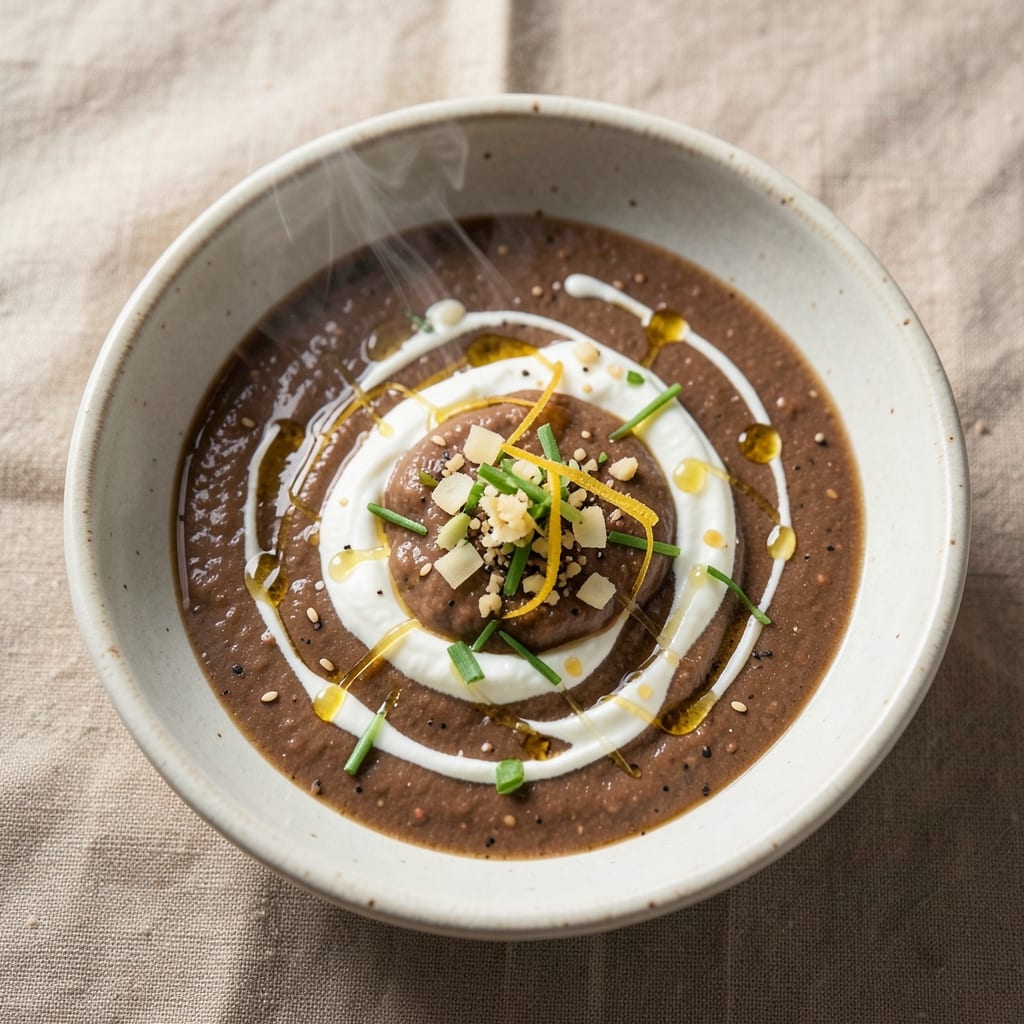
This ahi poke salad dressing recipe transforms raw fish into a restaurant-worthy dish with its perfect balance of soy-marinated umami and yogurt's bright tang. The secret lies in the harmony of sesame oil's nutty depth and citrus's refreshing zip—both essential for cutting through delicate ahi flavors while enhancing their natural sweetness. I developed this after years of experimenting with poke bowls, finally nailing the texture and flavor profile that keeps every bite vibrant and satisfying.
The dressing starts with a base of rich soy sauce and sesame oil, where the umami develops immediately. Adding Greek yogurt creates that signature creamy zing without overpowering the fish, while fresh ginger and garlic bring warmth and complexity. A touch of honey balances the acidity from rice vinegar, ensuring the dressing complements rather than competes with the ahi's clean flavor. This isn't just a sauce—it's the soul of your poke bowl.
What makes this dressing truly special is how it elevates simple ingredients into something extraordinary. The yogurt prevents the soy from being too heavy, while citrus keeps everything fresh and lively. It clings beautifully to cubed ahi, cucumber, and edamame, creating that perfect bite where every component shines. The result? A dressing that's both restaurant-quality and effortlessly homemade, with just the right amount of zing to make your poke bowl unforgettable.
Perfect for pescatarians or anyone craving fresh, umami-rich flavors, this dressing works equally well as a marinade or finishing drizzle. The ingredients are simple, but the technique ensures maximum flavor extraction—no shortcuts here. Let's dive into the recipe and transform your next poke bowl into a showstopper.
Ingredients for ahi poke salad dressing
This vibrant dressing transforms simple ingredients into a restaurant-worthy umami bomb with creamy yogurt zing.
| Ingredient | Amount | Notes |
|---|---|---|
| Soy Sauce 🍶 | ½ cup | High-quality, preferably Japanese |
| Extra-Virgin Sesame Oil 🫒 | ¼ cup | Toasted, for nutty depth |
| Plain Greek Yogurt 🥛 | ½ cup | Full-fat for creaminess |
| Fresh Ginger 🌿 | 2 tbsp | Finely grated, aromatic |
| Garlic Cloves 🧄 | 3 cloves | Minced, for bold flavor |
| Rice Vinegar 🍶 | ¼ cup | Seasoned, for brightness |
| Honey 🍯 | 1 tbsp | Raw, for subtle sweetness |
| Fresh Lime Juice 🍋 | ¼ cup | Strained, for zesty kick |
| Sesame Seeds 🌾 | 1 tbsp | Toasted, for garnish |
| Diamond Crystal Kosher Salt 🧂 | ½ tsp | Fine grain, for seasoning |
The soy sauce and sesame oil form the umami backbone—Japanese soy sauce like Kikkoman or Hondashi delivers that authentic depth. Sesame oil should be toasted, not refined; Trader Joe’s and Whole Foods carry excellent options. Fresh ginger and garlic are non-negotiable here: organic ginger from the produce section (not the jarred kind) and garlic cloves with vibrant skin. The yogurt must be full-fat—plain Greek yogurt like Fage or Chobani works best. Toast your sesame seeds in a dry pan for 30 seconds until fragrant—they’ll add texture and aroma to every drizzle.
No sesame oil? Toasted peanut oil at half the amount works in a pinch, though it lacks the nutty complexity. Substitute honey with maple syrup if needed, but the citrus balance will shift slightly. For extra brightness, add 1 tsp of lemon zest to the lime juice. The rice vinegar should be seasoned—unseasoned won’t cut through the richness. If you can’t find Diamond Crystal kosher salt, any fine sea salt will do, but taste as you go. Garnish with toasted sesame seeds right before serving—they’re the perfect crunchy finish that ties everything together.
This dressing keeps beautifully for up to 5 days in an airtight jar in the fridge, though flavor peaks within the first 2 days. For longer storage, freeze in ice cube trays—thaw and whisk before using. The yogurt may separate slightly; just stir vigorously to re-emulsify. Double the batch if you’re serving a crowd—it disappears fast! Store any leftovers in a glass jar with a tight seal to preserve the fresh flavors. Trust me, the first time you drizzle this over fresh ahi, you’ll never go back to store-bought.
Why You'll Love This Recipe
- Five-Ingredient Magic: I swear by this dressing—just blend soy sauce, sesame oil, Greek yogurt, grated ginger, and minced garlic. No fancy techniques, no stress, and it’s ready when you are.
- Umami Bomb: That first bite? The soy sauce and sesame oil hit like a flavor tsunami, but the yogurt cools it down just enough to keep it balanced. Honestly, it’s the kind of dressing that makes you go back for seconds without even thinking.
- Lunchbox Hero: Between us, this is my go-to for meal prep. Drizzle it over greens, toss it with grilled fish, or even use it as a dip—it turns basic lunches into something special. (Yes, even on a Tuesday night.)
- Budget Bright Spot: Sesame oil and ginger are cheap, and a little goes a long way. I’ve made this for years, and it’s never let me down—whether I’m feeding myself or a crowd. Plus, the yogurt adds richness without breaking the bank.
Step-by-step instructions for ahi poke salad dressing
This vibrant dressing balances umami depth with bright, tangy notes—perfect for elevating fresh ahi tuna.
Grate and Mince Aromatics for Maximum Flavor
Use a microplane to grate the 2 tablespoons of fresh ginger into a fine paste—this ensures even distribution and prevents clumping. The aroma should be intense and fresh, signaling peak potency. In a separate small bowl, finely mince the 3 cloves garlic until you achieve a smooth, almost paste-like consistency. I like to press the garlic with the flat side of my knife first to break it down before mincing for easier blending later.
This prep work is crucial because raw garlic and ginger can overwhelm the delicate balance of flavors if not properly incorporated. The finer the texture, the more evenly the flavors will disperse throughout the dressing. Set these aside—they'll form the aromatic base of your sauce.
Whisk Together Wet Ingredients for a Silky Base
In a medium bowl, combine the 0.5 cup soy sauce, 0.25 cup rice vinegar, and 0.25 cup fresh lime juice. Whisk vigorously for 30 seconds to fully integrate these acidic components. The mixture should smell tangy and slightly sweet from the lime, with a deep umami punch from the soy sauce. Next, add the 0.5 cup plain Greek yogurt and whisk until completely smooth—this will create the creamy foundation of your dressing.
Here's where the magic happens: the Greek yogurt not only adds creaminess but also helps emulsify the oil later. If you notice any separation at this stage, don't worry—it will resolve when we incorporate the sesame oil. The key is to whisk continuously to prevent any curdling from the acidity.
Incorporate Ginger, Garlic, and Sweetener for Balance
Add the grated ginger and minced garlic to the wet mixture, followed by the 1 tablespoon honey. Whisk for another 45 seconds until the honey dissolves completely and the ginger and garlic are fully distributed. The dressing should now have a rich, complex aroma—where the sharpness of the garlic and ginger meets the sweetness of the honey and the tang of the vinegar. Taste a small spoonful at this point to gauge the balance before adding the oil.
This is the moment to adjust seasoning if needed. If it tastes too sharp, add a pinch more honey. If it needs more depth, a splash of soy sauce will help. The dressing should be vibrant but not overpowering—think of it as a sophisticated marinade rather than a heavy sauce.
Emulsify the Dressing for a Luxurious Texture
With the motor running on low speed, slowly drizzle in the 0.25 cup extra-virgin sesame oil while continuing to whisk. This gradual addition is critical—it prevents the oil from breaking the emulsion and ensures a silky, velvety texture. The dressing should thicken slightly as the oil incorporates, creating a luxurious mouthfeel. If it starts to separate, add 1 teaspoon of rice vinegar to help stabilize the emulsion.
Here's the thing about sesame oil: it's delicate. Too much at once will cause the dressing to split, but when added slowly, it creates that signature nutty depth that makes this dressing extraordinary. The final texture should be thick enough to coat the back of a spoon but still pourable. If it's too thick, thin with 1-2 teaspoons of lime juice until it reaches your desired consistency.
Finish with Salt and Garnish for Restaurant-Quality Results
Stir in the 0.5 teaspoon diamond crystal kosher salt and taste again. The salt should enhance all the flavors without overpowering them—you're looking for a harmonious balance where each ingredient shines. Let the dressing sit at room temperature for 10 minutes to allow the flavors to meld completely. This resting period is often overlooked but makes a world of difference in flavor development.
Just before serving, sprinkle with 1 tablespoon toasted sesame seeds for a final touch of texture and aroma. The sesame seeds should be lightly toasted in a dry skillet over medium heat for 1-2 minutes until fragrant—this adds an extra layer of complexity to the dressing. Serve immediately over fresh ahi tuna, cucumber, and edamame for a dish that's as visually stunning as it is flavorful.
Pro Tips For Making Ahi Poke Salad Dressing
- Grate Ginger Fine: Use a microplane or the smallest holes on a box grater—no need for a food processor. I learned this the hard way after ending up with a chunky, unbalanced dressing that tasted more like ginger chunks than anything else. ---
- Toast the Garlic: Sauté the minced garlic in a dry pan for 30 seconds until fragrant but not browned. This cuts the sharpness and adds depth—trust me, your dressing will taste more complex than if you just toss it in raw. ---
- Whisk in Oil Last: Mix the soy sauce, yogurt, and grated ginger first, then slowly drizzle in the sesame oil while whisking. Adding it all at once can make the dressing split—especially if your yogurt isn’t perfectly room temp. ---
- Use Cold Yogurt: Chill the Greek yogurt for at least 30 minutes before mixing—it thickens the dressing better and prevents it from curdling when combined with the soy sauce. I skip this step sometimes, and the texture always suffers.
Regional styles of this recipe
Hawaiian Tradition
The original ahi poke dressing in Hawaii was simple—just soy sauce, sesame oil, and sometimes a touch of sea salt. Modern versions expanded with ingredients like yogurt and citrus, but the core philosophy remains: balance umami with acidity. Traditional Hawaiian poke bowls use local ahi tuna (ahi means "yellowfin tuna" in Hawaiian) and fresh ingredients like cucumber, onion, and seaweed salad. This dressing stays true to that spirit while adding contemporary depth. 🌺
Japanese Fusion Style
In Japan, poke dressing often incorporates mirin (sweet rice wine) instead of honey, creating a more delicate sweetness. I’ve adapted this by using 1 tablespoon mirin in place of the honey for a subtler flavor. Japanese versions also frequently include grated daikon radish for texture and bonito flakes for extra umami. The soy sauce used is typically Japanese-style, like Kikkoman, which has a smoother profile than American soy sauce. 🍶
West Coast Modern Twist
California-style poke dressings often lean into bold, bright flavors with additions like avocado oil (for a neutral base) and chili crisp (for heat). I’ve seen versions with smoked paprika or even a dash of fish sauce for depth. The West Coast also embraces superfood toppings like goji berries or microgreens, which pair beautifully with this dressing’s creamy yogurt base. The key here is freshness—everything is prepped to order. 🌿
Tropical Adaptation
For a truly tropical vibe, swap the lime juice for orange juice and add 1 teaspoon of grated orange zest to the dressing. This works especially well with mango or pineapple in the poke bowl, creating a sweet-tart contrast. I’ve also experimented with coconut aminos (a gluten-free soy alternative) to keep it light and refreshing. The dressing becomes almost like a tropical marinade, perfect for summer gatherings. 🍍
Gluten-Free Adaptation
For those avoiding gluten, replace the soy sauce with tamari or coconut aminos (use 0.5 cup). The flavor will be slightly different—tamari is richer, while coconut aminos adds a subtle sweetness. The yogurt and citrus still provide the tangy balance, so the dressing remains vibrant. This version works perfectly with gluten-free rice or quinoa in the bowl. 🌱
Spicy Kick Variation
Add 1 teaspoon of sriracha or 1 tablespoon of gochujang (Korean chili paste) for heat. The gochujang adds a fermented depth, while sriracha keeps it bright and tangy. For extra smokiness, toast 1 teaspoon of smoked paprika in a dry pan for 30 seconds and mix it in. This version pairs well with spicy ahi tuna or jalapeño slices in the bowl. 🌶️
Nutrition facts
Frequently asked questions about ahi poke dressing
Can I make this dressing without sesame oil?
Yes! For a similar nutty flavor, use toasted peanut oil at half the amount (2 tablespoons instead of 0.25 cup). If you want to avoid all oils, try 1 tablespoon of tahini (thinned with 1 tablespoon lime juice) for creaminess. The texture will be slightly thicker but still delicious.
How long does this dressing last in the fridge?
This dressing stays fresh for 5 days when stored in an airtight container in the fridge. The yogurt may separate slightly—just whisk vigorously before using. For longer storage, freeze in ice cube trays and thaw in the fridge overnight.
Can I use this dressing on other proteins besides ahi?
This dressing works beautifully with salmon, shrimp, or even grilled chicken. The soy-ginger base complements seafood perfectly, while the yogurt adds creaminess that pairs well with grilled proteins. For chicken, you might reduce the soy sauce slightly (0.375 cup) to avoid overpowering the flavor.
What if my dressing separates after adding sesame oil?
Don't panic! This happens when oil is added too quickly. Whisk in 1 teaspoon of rice vinegar to help re-emulsify, then stir vigorously. If it's still too thick, add 1-2 teaspoons of lime juice to thin it out. The key is patience—add oil slowly while whisking continuously on low speed.
Can I make this dressing spicier?
Yes! Add 1 teaspoon of sriracha or 1 tablespoon of gochujang for heat. For extra depth, toast 1 teaspoon of smoked paprika in a dry pan for 30 seconds and mix it in. This version pairs perfectly with jalapeño slices or spicy ahi tuna in your bowl.