
Salads
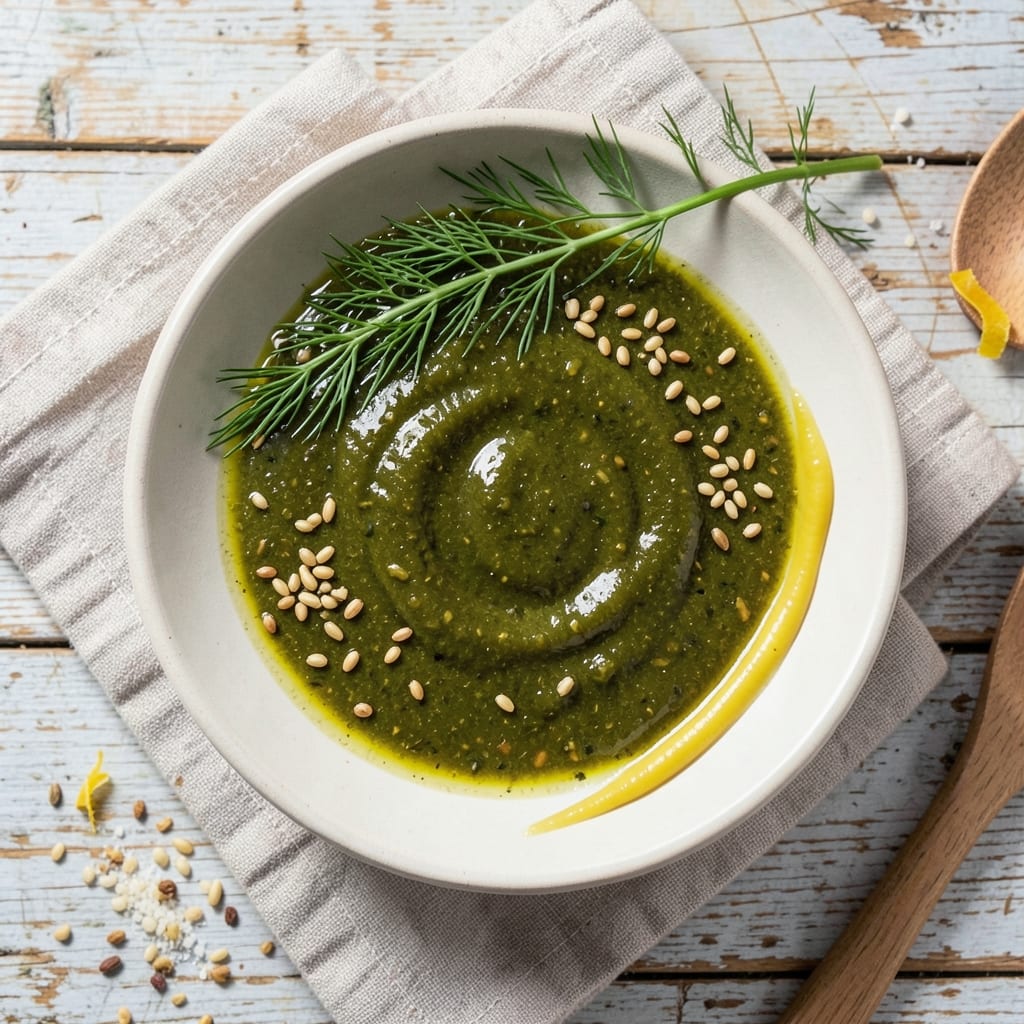
This Alibi Antipasto Salad Dressing Recipe delivers the bold, herby zing of an Italian bistro without the mayo. The secret lies in a bright celery-dill base balanced with tangy vinegar and sharp Parmesan, creating a dressing that elevates salads, charcuterie, and antipasto platters with restaurant-quality depth. Unlike heavy creamy dressings, this version stays light yet packed with flavor—perfect for those watching their fat intake or simply craving something fresh.
The magic happens with a simple yet effective ratio of olive oil to vinegar, where celery seeds and fresh dill provide that signature Italian brightness, while garlic and Dijon mustard add layers of complexity. What sets this dressing apart is its versatility—it works as a drizzle over arugula salads, as a marinade for grilled meats, or even as a dip for crusty bread. The absence of mayo means it won’t weigh down your dishes, yet the Parmesan and vinegar ensure every bite is rich and satisfying.
What you’ll end up with is a dressing that’s tangy, herby, and impossibly balanced—no cloying sweetness or overpowering acidity. The celery-dill combination is a game-changer, offering a fresh, slightly earthy flavor that pairs beautifully with salty cured meats, creamy cheeses, and crisp vegetables. This isn’t just a dressing; it’s a flavor booster that turns simple ingredients into something extraordinary.
Use it immediately for maximum freshness, or store it in the fridge for up to a week—its flavors only deepen over time. Whether you’re prepping for a summer picnic or a cozy dinner at home, this dressing will be your secret weapon for adding that authentic Italian touch without the fuss. Let’s get started!
Ingredients for alibi antipasto salad dressing
Nine simple ingredients transform into a dressing that tastes like Italian bistro magic.
| Ingredient | Amount | Notes |
|---|---|---|
| Extra-Virgin Olive Oil 🫒 | ½ cup | High-quality, fruity variety |
| Red Wine Vinegar 🍷 | ¼ cup | Dry, bold flavor preferred |
| Fresh Dill 🌿 | ½ cup | Chopped, stems removed |
| Celery Seeds 🧅 | 1 tbsp | Toasted for deeper flavor |
| Granulated Garlic 🧄 | 1 tsp | Not garlic powder |
| Dijon Mustard 🌶️ | 1 tbsp | Mild or hot variety |
| Parmesan Cheese 🧀 | ½ cup | Freshly grated, not pre-shredded |
| Sea Salt 🧂 | ½ tsp | Fine grain preferred |
| Black Pepper 🌶️ | ¼ tsp | Freshly ground preferred |
| Honey 🍯 | 1 tsp | Light, mild variety |
The olive oil and vinegar are the backbone—look for extra-virgin olive oil with a fruity aroma, not that cheap stuff. Red wine vinegar is a must for that tangy bite; Bragg or Heinz are solid grocery store options. Fresh dill is ideal, but if you're using dried, reduce to one-third the amount. Celery seeds can be tricky to find—Penzeys or the spice aisle at Whole Foods usually have them. Toast the seeds in a dry pan for 30 seconds before grinding to bring out their flavor. The Parmesan needs to be freshly grated—pre-shredded has anti-caking agents that ruin the texture.
No celery seeds? Celery salt at half the amount works in a pinch, though it won’t be identical. Fresh dill wilt fast—wrap it in damp paper towels if you’re prepping ahead. The honey balances the acidity, but agave nectar is a 1:1 swap if you’re avoiding it. Dijon mustard adds depth, but yellow mustard at half the amount gets you close. Want more tang? Add an extra tablespoon of vinegar. For a smoother texture, strain the dressing through a fine-mesh sieve after blending. This keeps for 1 week in the fridge once opened, but the flavor peaks within the first few days.
Store the dressing in an airtight jar in the fridge—it’ll thicken slightly when cold, so give it a quick whisk before using. The flavors actually improve over time, so make a double batch if you’ll use it within a week. It’s perfect for drizzling over arugula, pairing with cured meats, or tossing with grilled veggies. The ratio of oil to vinegar means it won’t separate, even if left out for a few hours. Just shake it up before each use.
Why You'll Love This Recipe
- Five-Ingredient Magic: I swear by this combo—just oil, vinegar, dill, celery seeds, and garlic. No fancy tools, no stress, just shake and pour. The celery seeds add that subtle crunch without extra work, and the fresh dill brightens everything up instantly.
- Tangy Garlic Kick: Between us, this dressing has layers. The red wine vinegar cuts through the richness of olive oil, while the granulated garlic (trust me, it’s better than minced) builds heat that lingers. Honestly, it’s the kind of flavor that makes you reach for more—even when you’re pretending to watch a movie.
- Weeknight to Party: I keep a jar in the fridge for lazy Tuesdays, but it’s also the MVP for game day or brunch. Drizzle it on roasted veggies, toss it with pasta, or serve it with crusty bread—it’s that adaptable. (Yes, even on a Tuesday night.)
- Stays Fresh, Saves Money: This dressing lasts forever—two weeks, no exaggeration—and costs pennies per serving. I double the batch and use it all week, no waste. Plus, the celery seeds and dill stretch my grocery budget further than store-bought dressings ever could. Practical? Absolutely. Delicious? Ridiculously so.
Step-by-step instructions for alibi antipasto salad dressing
This dressing comes together in minutes with bold, fresh flavors that'll make your antipasto shine.
Toast the Celery Seeds for Depth of Flavor
Heat a small dry skillet over medium-low heat. Add the 1 tablespoon celery seeds and toast them for 2-3 minutes, stirring constantly. You're looking for a nutty aroma and light golden color—the seeds should smell intensely aromatic but not burn. Let them cool completely before using, about 5 minutes. This toasting step unlocks their full flavor potential and prevents bitterness in the dressing.
I know it seems like a small detail, but skipping this step means missing that subtle celery crunch and depth that makes this dressing stand out. Once cooled, transfer the toasted seeds to a small bowl and set aside.
Whisk Together the Wet Ingredients
In a medium bowl, combine the 0.5 cup extra-virgin olive oil, 0.25 cup red wine vinegar, 1 tablespoon Dijon mustard, and 1 teaspoon granulated garlic. Whisk vigorously for 30 seconds until everything is fully emulsified. The mixture should look smooth and homogeneous with no visible streaks of oil.
This is where the magic starts happening. The acidity of the vinegar helps break down the oil's surface tension, creating the perfect base for the dressing. Don't rush this step—proper emulsification ensures your dressing won't separate later.
Add the Dry Ingredients and Blend
To the wet mixture, add the toasted 1 tablespoon celery seeds, 0.5 cup chopped fresh dill, 0.5 cup freshly grated Parmesan cheese, 0.5 teaspoon sea salt, 0.25 teaspoon black pepper, and 1 teaspoon honey. Using a whisk or fork, stir everything together until the Parmesan is completely dissolved and the dressing has a uniform consistency.
Here's where it gets good—the Parmesan should melt smoothly into the dressing, creating a creamy texture without any grit. If you notice the dressing starting to thicken too much, add 1 teaspoon of water at a time until it reaches a pourable consistency. The honey helps balance the acidity while adding just a touch of sweetness that complements the savory elements.
Let It Rest and Develop Flavor
Cover the bowl with plastic wrap and let the dressing sit at room temperature for at least 15 minutes. This resting period allows all the flavors to meld together and the dressing to reach its full potential. The longer it sits (up to 2 hours), the more complex the flavors become.
I always make my dressing at least 30 minutes ahead of serving. This gives the celery seeds time to infuse their flavor and the Parmesan to fully integrate. After resting, give it one final stir before using—this ensures everything is well combined and ready to elevate your antipasto platter.
Adjust and Serve
Taste the dressing and adjust the seasoning if needed. If it needs more acidity, add ½ teaspoon more red wine vinegar. If it needs more sweetness, add ¼ teaspoon more honey. For extra richness, you can add 1 more tablespoon of olive oil. The dressing should be tangy, slightly sweet, and packed with fresh dill flavor.
This dressing works perfectly with classic antipasto ingredients like marinated artichokes, olives, roasted red peppers, and prosciutto. Drizzle it generously over your platter or use it as a dip for crusty bread. The celery-dill combination gives it a bright, herbal zing that cuts through rich cheeses and cured meats beautifully.
Pro Tips For Making Alibi Antipasto Salad Dressing
- Toast the Celery Seeds: Heat them dry in a small pan for 30 seconds—just until fragrant. I learned this the hard way: skipping this step leaves them tasting raw and bitter, like chewing on a spice packet instead of savoring their nutty depth. Keep the heat low or you’ll burn them faster than you can blink. ---
- Use Cold Olive Oil: Chill the extra-virgin olive oil in the fridge for 10 minutes before mixing. Cold oil emulsifies better with vinegar and dill, giving you a smoother dressing that won’t separate into sad, oily puddles. (Yes, even if you’re impatient like me.) ---
- Muddle the Garlic: Crush the granulated garlic with the back of a spoon or a mortar and pestle until it’s a paste—not just dust. This releases more flavor and prevents it from floating like tiny flavorless specks. My grandmother swore by this, and she was right: the dressing tastes deeper when the garlic actually works. ---
- Strain the Dill: Finely chop the fresh dill, then press it through a fine-mesh strainer lined with cheesecloth. This removes tough stems and keeps the dressing silky, not fibrous. Sounds weird, but it works—your salad will thank you later, even if your hands get a little dill-scented.
Common mistakes when making great alibi antipasto salad dressing
Skipping the Toast
Celery seeds are the secret weapon in this dressing, but skipping the toasting step is a common mistake that kills the flavor. Toasting for just 2-3 minutes brings out their nutty, aromatic qualities, while untoasted seeds can taste bitter or bland. I’ve made this dressing both ways, and the difference is night and day. If you’re short on time, at least dry-toast them in a dry pan for 30 seconds—it still makes a difference. 🔥
Using Pre-Shredded Cheese
Pre-shredded Parmesan is a shortcut that ruins the texture of your dressing. The anti-caking agents used in pre-shredded cheese create a grainy, clumpy mess that won’t blend smoothly. Always use freshly grated Parmesan—it dissolves perfectly into the dressing, creating a silky, creamy finish. If you’re in a pinch, a small box grater takes 2 minutes and makes all the difference. ✨
Over-Mixing or Under-Mixing
This dressing relies on a delicate balance between emulsification and texture. Over-mixing can turn it into a thick paste, while under-mixing leaves undissolved Parmesan or clumps of dill. Whisk the wet ingredients first until fully emulsified, then gently fold in the dry ingredients. If it thickens too much, add 1 teaspoon of water at a time. The goal is a smooth, pourable consistency that coats ingredients beautifully.
Ignoring the Resting Time
Rushing to use the dressing immediately means missing out on its full flavor potential. Letting it rest for at least 15 minutes (or up to 2 hours) allows the celery seeds to infuse their aroma and the Parmesan to fully integrate. I’ve learned this the hard way—dressing used right after mixing can taste disjointed. Trust the process, and your antipasto will thank you. 💫
Weak or Strong Vinegar
The acidity in red wine vinegar is what cuts through the richness of the olive oil and Parmesan. Using a weak vinegar (like apple cider) or a too-strong vinegar (like balsamic) can throw off the balance. Stick to a dry, bold red wine vinegar like Bragg or Heinz for the perfect tang. If your vinegar tastes too mild, add an extra ½ teaspoon to taste after resting.
Not Adjusting Seasoning
Every kitchen has different humidity and ingredient variations, so tasting and adjusting is non-negotiable. The dressing should be tangy, slightly sweet, and packed with dill flavor. If it tastes flat, add more vinegar or honey. If it’s too sharp, a drizzle of olive oil mellows it out. Always taste before serving—this is your quality control step. 💡
Nutrition facts
Frequently asked questions
Can I make this dressing without celery seeds?
Yes, but the flavor will be subtly different. Use ½ teaspoon celery salt instead, though it won’t replicate the nutty depth of toasted seeds. For a similar herbal profile, add an extra 1 tablespoon fresh dill or ½ teaspoon fennel seeds. The dressing will still be bright and tangy, just with a slightly different character.
How long will this dressing keep in the fridge?
This dressing stays fresh for up to 1 week when stored in an airtight container. The flavors actually deepen over time, so it’s best to make a fresh batch if you notice the dill losing its brightness. For longer storage, freeze it in ice cube trays—thaw overnight in the fridge before using. The texture may separate slightly when frozen, so give it a good whisk after thawing.
What’s the best way to use this dressing beyond salads?
This versatile dressing works beautifully as a marinade for grilled chicken or fish, a dip for crusty bread, or a drizzle over roasted vegetables. It also elevates charcuterie boards—pair it with prosciutto, marinated artichokes, and mozzarella balls. For extra richness, use it as a base for pasta salads or toss it with cooked grains like farro or quinoa. The celery-dill flavor cuts through rich meats and creamy cheeses perfectly.
Can I substitute Dijon mustard with another type?
Yes, but the flavor will differ. Use ½ tablespoon yellow mustard for a milder taste or 1 teaspoon whole-grain mustard for added texture. If you’re avoiding mustard entirely, add ½ teaspoon lemon zest or an extra ½ teaspoon granulated garlic for depth. The mustard adds complexity, but these swaps keep the dressing balanced.
Why did my dressing separate? How do I fix it?
Separation usually happens from over-mixing or using low-quality olive oil. Fix it by whisking vigorously or using a fork to gently combine the layers. For a smoother texture, add 1 teaspoon water or red wine vinegar at a time while whisking. To prevent separation next time, ensure your olive oil is extra-virgin and whisk the wet ingredients thoroughly before adding dry components. The dressing should emulsify smoothly if done correctly.