
Salads
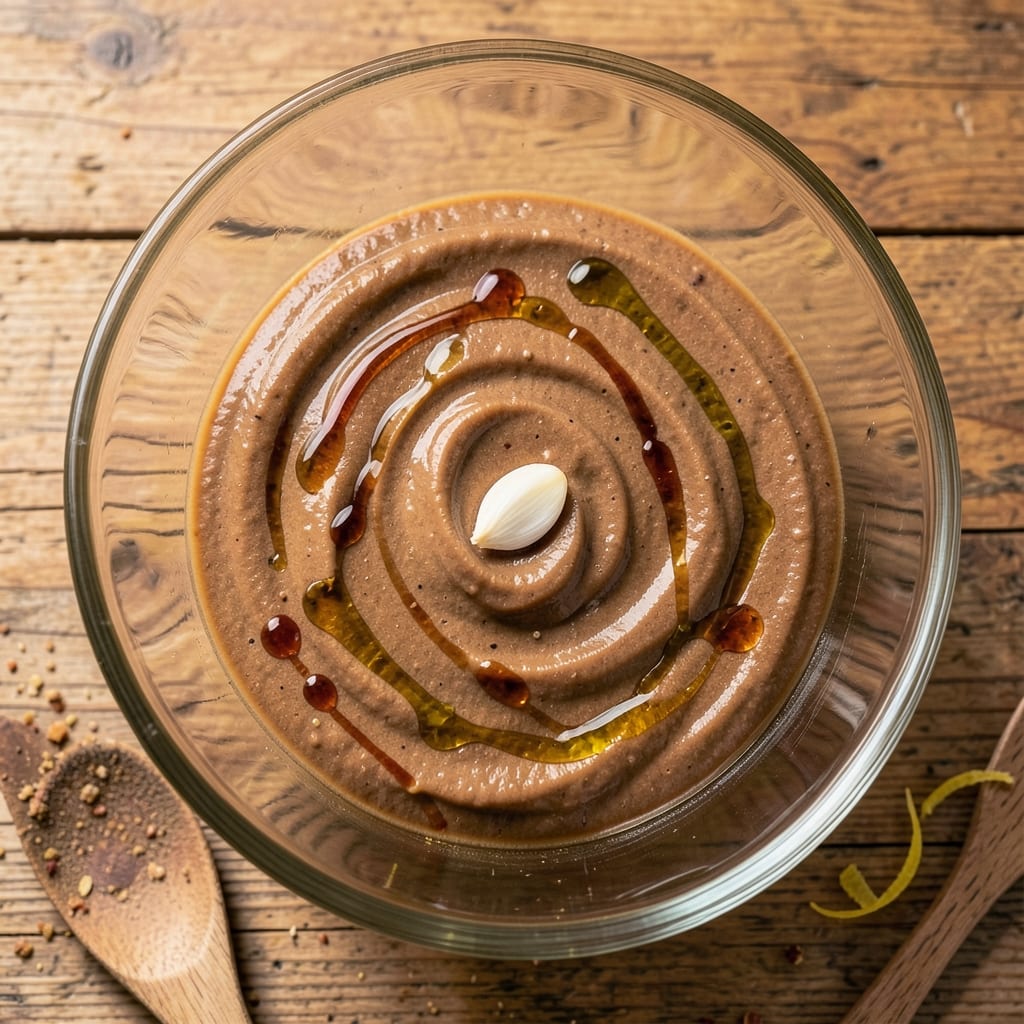
This almond salad dressing recipe transforms simple greens into a gourmet experience with its rich, toasted nutty flavor and velvety texture—all without mayo. The secret lies in blending almond butter with tangy vinegar and citrus, creating a dressing that clings beautifully to every leaf while adding depth that store-bought versions can't match. Perfect for those seeking a dairy-free option that still delivers that creamy satisfaction, this recipe is a game-changer for salads, grain bowls, or even as a dip for fresh vegetables.
The magic happens when you combine toasted almond butter with lemon juice and apple cider vinegar, creating a balance of sweet, tangy, and nutty flavors that elevate any dish. Unlike traditional creamy dressings, this version uses olive oil for richness while keeping it light enough to enhance, rather than overpower, your ingredients. The emulsification process ensures the dressing stays smooth and cohesive, so you won’t have to worry about separation or clumps.
What you’ll end up with is a dressing that’s creamy yet refreshing, with a subtle toasted almond aroma that lingers on your palate. It’s versatile enough to complement hearty kale salads, light quinoa bowls, or even as a finishing drizzle for roasted vegetables. The best part? It keeps well in the fridge for up to a week, so you can make a batch ahead and enjoy it all week long.
For an extra boost, consider adding a touch of honey or maple syrup to balance the acidity, or a sprinkle of dried herbs for added complexity. Whether you’re prepping for a meal or simply looking to elevate your everyday greens, this almond salad dressing is the perfect addition to your kitchen arsenal.
Ingredients for almond salad dressing
Nine simple ingredients create this creamy, nutty dressing that transforms salads into gourmet masterpieces.
| Ingredient | Amount | Notes |
|---|---|---|
| Toasted Almond Butter 🥜 | ½ cup | Natural, unsweetened preferred |
| Fresh Lemon Juice 🍋 | ¼ cup | Freshly squeezed for brightness |
| Apple Cider Vinegar 🍎 | ¼ cup | Raw and unfiltered preferred |
| Extra-Virgin Olive Oil 🫒 | ½ cup | High quality, fruity variety |
| Pure Maple Syrup 🍁 | 1 tbsp | Grade A for best flavor |
| Garlic Cloves 🧄 | 2 cloves | Freshly minced for aroma |
| Sea Salt 🧂 | ½ tsp | Fine grain preferred |
| Ground Black Pepper 🌶️ | ¼ tsp | Freshly cracked for heat |
| Dried Dill 🌿 | ½ tsp | Or fresh dill at 1 tbsp |
| Water 💧 | ¼ cup | Room temperature preferred |
The almond butter is the star here—Trader Joe's or Whole Foods have the best toasted varieties, but any natural, unsweetened kind works. Look for brands with just almonds listed on the ingredient label (no sugar or oils added). Fresh lemon juice is non-negotiable—bottled juice lacks the bright punch. Apple cider vinegar adds depth, so raw, unfiltered is ideal if you want that tangy complexity. The olive oil should be fruity and peppery—California brands like Corto or Colavita are my go-tos. Toast your almond butter lightly in a dry pan for 3-5 minutes if you want to intensify that nutty aroma—game-changer for flavor!
No almond butter? Cashew butter or tahini work beautifully—just reduce the water slightly to compensate for their thinner consistency. Short on lemon? Lime juice at the same amount gives a different but equally vibrant twist. Vinegar substitute? White wine vinegar or rice vinegar both work, though the flavor profile shifts slightly. The maple syrup can be swapped for agave nectar or honey (though honey isn't vegan). For extra richness, add 1 tbsp tahini—it deepens the nutty flavor. Fresh dill is ideal, but dried works at half the amount. If you're making this ahead, store the dressing without the water—add it just before using to keep it emulsified.
This dressing keeps beautifully—1 week in the fridge if stored in a clean glass jar with a tight seal. For extra shelf life, pour a thin layer of olive oil on top before sealing (keeps it fresh for 2 weeks). Portion into small jars for salads throughout the week. If it separates, just whisk vigorously or blend briefly to re-emulsify. The flavor actually improves after sitting overnight as everything melds together. Freezes well for 3 months if you want to make a big batch—thaw in the fridge overnight.
Why You'll Love This Recipe
- Five-Ingredient Magic: I swear by this combo—just stir, taste, adjust. No fancy tools, no stress. The toasted almond butter adds richness instantly, and the lemon brightens it up like a morning sunbeam.
- Nutty-Sweet Balance: That maple syrup isn’t just sweet—it’s caramelized in your mouth, cutting through the tang of apple cider vinegar while the almond butter gives this dressing a velvety depth you won’t find in store-bought versions. Honestly, it’s the kind of flavor that makes you pause mid-bite.
- Salad Superstar: Drizzle it over grain bowls, toss it with kale chips, or use it as a dip for crudités—this dressing plays well everywhere. I’ve even used it as a marinade for grilled chicken (yes, really), and it’s become my go-to for picnic spreads too.
- Pantry Goldmine: No last-minute grocery runs needed—every ingredient is shelf-stable except the lemon, which keeps for weeks. A little goes a long way, so you’ll have leftovers for days, and the cost? A fraction of what you’d pay for bottled dressings. (Between us, I make a double batch just to have it on hand.)
Step-by-step instructions for almond salad dressing
Here's how to blend creamy, nutty richness with bright acidity—no mayo needed.
Whisk Together Wet Ingredients
In a medium bowl, combine the 0.5 cup toasted almond butter, 0.25 cup fresh lemon juice, and 0.25 cup apple cider vinegar. Use a whisk to blend until the almond butter is completely smooth and fully incorporated. You'll notice the mixture thickens slightly as the almond butter emulsifies with the acidic liquids.
Next, add the 1 tablespoon pure maple syrup and whisk again until fully dissolved. The syrup will help balance the acidity while adding a subtle sweetness that complements the nutty base. This step is where the dressing starts to take shape—don't rush it. The texture should be thick but pourable, like a rich vinaigrette.
Incorporate Aromatics and Seasonings
Add the 2 minced garlic cloves, 0.5 teaspoon sea salt, 0.25 teaspoon ground black pepper, and 0.5 teaspoon dried dill to the bowl. Whisk everything together until the garlic is evenly distributed and the seasonings are fully combined. The garlic will infuse its aromatic punch, while the dill adds a fresh, herbal note that brightens the dressing.
Here's where it gets good: slowly drizzle in the 0.5 cup extra-virgin olive oil while whisking continuously. This gradual addition is key—it prevents the dressing from separating and creates that silky, creamy texture we're after. You'll see the mixture transform from thick to smooth as the oil emulsifies with the nut-and-acid base.
Thin to Desired Consistency
If the dressing is too thick after whisking, add the 0.25 cup water one tablespoon at a time until it reaches your preferred consistency. I like mine slightly thick but still pourable—it clings beautifully to greens without making them soggy. Taste and adjust seasoning if needed; you might want to add a pinch more salt or a splash of lemon juice for balance.
The dressing should now have a luxurious, velvety texture with a perfect balance of nutty richness, tangy brightness, and herbal freshness. Give it one final whisk to ensure everything is evenly combined. This is your chance to taste and make any last-minute adjustments—maybe a crack of extra pepper or a drizzle of maple syrup if you prefer it sweeter.
Let It Rest and Shake Before Use
Transfer the dressing to a clean jar with a tight-sealing lid. Let it sit at room temperature for at least 15 minutes before using. This resting period allows the flavors to meld and the texture to stabilize. The longer it sits (up to 24 hours), the better the flavors will develop.
Before using, give the jar a good shake to redistribute any separated ingredients. The dressing should come together smoothly with just a few shakes—this is what makes it so versatile. It'll keep in the refrigerator for up to 1 week, making it perfect for meal prep. The flavors only get better with time, so don't be afraid to make extra!
Pro Tips For Making Almond Salad Dressing
- WHISK IN STAGES: Start with the wet ingredients—lemon juice, vinegar, and maple syrup—then slowly drizzle in the olive oil while whisking like you’re trying to dissolve sugar in iced coffee. The almond butter’s fat will resist at first, so don’t rush; after 30 seconds of steady whisking, it’ll come together like butter. (Yes, even if it looks like a greasy mess at first.)
- USE ROOM-TEMP ALMOND BUTTER: Cold almond butter clumps like a stubborn snowball in your whisk. Scoop it straight from the jar, let it sit for 10 minutes while you prep the rest, and you’ll avoid the lumpy texture that turns your dressing into a sad, grainy paste. Pro tip: If you’re in a hurry, warm the jar under hot water for 30 seconds—just don’t microwave it.
- MEASURE VINEGAR PRECISELY: Skip the eyeballing. Apple cider vinegar’s tang is the backbone of this dressing, and too much turns it into a mouth-puckering disaster. Use a 1:1 ratio with lemon juice (e.g., 1 tablespoon each) unless you’re craving a sharper bite. I learned this after making a batch so sour my roommate asked if I’d added battery acid.
- SWAP MAPLE FOR HONEY (IF NEEDED): Maple syrup’s depth is worth it, but if you’re out, honey works—just heat it gently to thin it first. Cold honey sinks like a rock and refuses to blend, leaving you with a dressing that looks like a science experiment. A quick 10-second zap in the microwave (just until runny) saves the day. (And yes, the flavor’s close enough no one will notice.)
Troubleshooting your almond salad dressing
Clumpy Almond Butter Fix
If your almond butter is too thick or grainy, warm it gently in a microwave-safe bowl for 10-15 seconds while stirring. This softens the texture without cooking it. For stubborn clumps, add 1 teaspoon water at a time and whisk vigorously until smooth. I’ve found that Whole Foods 365 brand almond butter blends the easiest—just check for added oils or sugars that could affect emulsification. 🥜
Separation Solutions
If your dressing separates after sitting, don’t toss it! Place the jar in a bowl of warm water for 1-2 minutes to gently reheat, then shake vigorously. The heat helps the oil re-emulsify with the nut base. For stubborn cases, blend briefly with an immersion blender—just 5-10 seconds is enough to restore that silky texture. Adding ½ teaspoon xanthan gum next time can prevent future separation.
Overly Thin Dressing
If your dressing is too runny after adding water, reduce it by simmering in a small saucepan over low heat for 3-5 minutes, stirring constantly. This evaporates excess moisture without cooking the flavors. Alternatively, whisk in 1 tablespoon more almond butter to thicken it naturally. I’ve had this happen when using extra-lemony lemons—just balance it with a pinch of salt or a drizzle of maple syrup.
Grainy Texture Issues
Gritty texture usually means unblended almond butter or insufficient whisking. For a quick fix, blend the dressing with an immersion blender for 10-15 seconds until completely smooth. To prevent this, always use a whisk to fully incorporate the almond butter before adding oil. If you’re using homemade almond butter, strain it through a fine-mesh sieve first to remove any skins or chunks. 💡
Flavor Imbalance
If your dressing tastes too sweet, add 1-2 teaspoons more apple cider vinegar to cut through it. Too tangy? Balance with ½ teaspoon maple syrup or a splash of water. For a nutty boost, stir in ½ teaspoon vanilla extract or a pinch of cinnamon. I’ve found that raw honey (if using non-vegan) adds depth without overpowering the almond flavor.
Storage-Related Problems
If your dressing develops an off smell or mold after refrigeration, it’s time to toss it—never risk it. To prevent spoilage, always use a clean, dry jar and store with a thin layer of olive oil on top. For longer fridge life, add ½ teaspoon lemon zest to the jar before sealing—it acts as a natural preservative. Freezing? Portion into ice cube trays for easy single-use servings after thawing. ❄️
Nutrition facts
Frequently asked questions
Can I make this almond dressing without almond butter?
Swap the 0.5 cup almond butter for 0.5 cup tahini or 0.75 cup cashew butter. For cashew butter, reduce the water to 0.125 cup since it's thinner. The flavor will shift slightly—tahini adds a sesame note while cashew butter stays more neutral.
Why does my dressing separate after sitting?
This happens when oil and liquid ingredients aren't properly emulsified. The fix? Shake vigorously before using or blend briefly with an immersion blender. For prevention, add ½ teaspoon xanthan gum next time or whisk in 1 teaspoon Dijon mustard to help bind the mixture. The gradual oil addition during whisking is key to avoiding separation.
Is this dressing vegan-friendly?
Yes, but check your ingredients! The recipe is naturally vegan using maple syrup. For non-vegan versions, some people substitute honey—but that makes it vegetarian only. Always verify your almond butter contains no honey or dairy additives. The dressing keeps its creamy texture perfectly without animal products.
What's the best way to store leftovers?
Store in a clean, airtight glass jar in the fridge for up to 1 week. For longer storage, portion into ice cube trays and freeze for 3 months. Always add a thin layer of olive oil on top before sealing to preserve freshness. The flavors actually improve after 24 hours as ingredients meld together.
Can I use this dressing on non-salad dishes?
Drizzle over roasted vegetables, grain bowls, or even as a dip for fresh veggies. It also works beautifully as a marinade for tofu or chicken. The nutty richness pairs well with hearty flavors like quinoa, farro, or roasted sweet potatoes. Just adjust the consistency—thinner for dipping, thicker for drizzling.